
Lieferung heute & morgen

Qualitätsgarantie

Willkommens-Angebote freischalten: KOSTENLOSE Lieferung | Bis zu 80 % RABATT | Kostenlose 30-Tage-JoyPlus-Testphase
App herunterladen
The term "cream" is ubiquitous in daily life, yet its meaning is surprisingly diverse. It can describe a rich moisturiser for skincare as well as the cream used to enrich coffee or desserts. This ambiguity often leads to confusion and incorrect purchases. Many products promise one-size-fits-all solutions they can't deliver, or advertise expensive ingredients whose benefits are unclear.
This guide will help you recognise the crucial differences. We'll show you what to look for when making a selection to avoid the most common traps—whether you're choosing a face cream, a barrier cream for baby care, or the right whipping cream for your next cake.
Before you make a purchase, you should be aware of three common problems that often lead to unsuitable products and disappointment.
To avoid these pitfalls, focus on a few crucial criteria. These will help you find a product that is perfectly suited to your needs.
The most important factor for skincare products is the intended purpose, which determines the formulation.
For dairy cream products, fat content is the most crucial factor. It determines the consistency and intended use.
Here are some product recommendations tailored to specific user profiles, taking the above criteria into account.
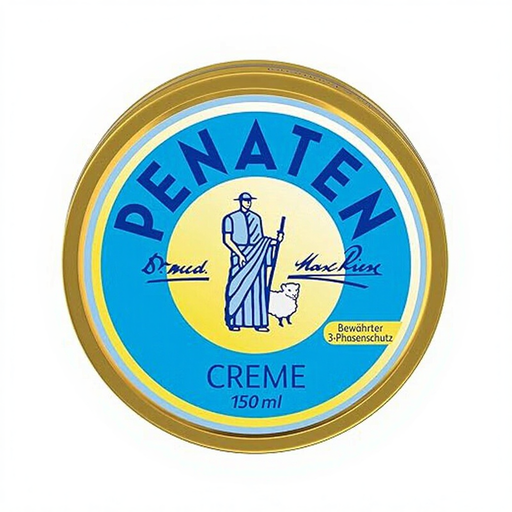
Why this product is a good fit: This cream is a classic in baby care, specifically designed for the sensitive diaper area of newborns. Its primary function is to protect the skin from wetness and irritation.
It avoids the "one-for-all" trap by being a highly specialised barrier cream, not marketed as a general moisturiser. Its thick consistency is optimised for protection.
The formula with zinc oxide, lanolin, and panthenol forms a long-lasting, visible protective barrier that can relieve redness and soothe the skin.
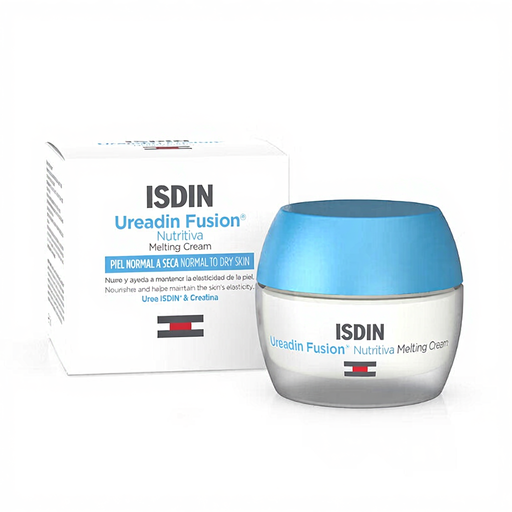
Why this product is a good fit: This face cream is specifically formulated for the needs of normal to dry skin. It focuses on providing intense and long-lasting hydration.
It avoids the ingredient confusion trap by relying on proven active ingredients like Urea Isdin and Ceramides, whose functions are clearly defined: to bind moisture and restore the skin barrier.
The formula aims to balance the skin's hydrolipidic film to prevent water loss. Its texture is designed to absorb quickly without leaving a greasy residue.
Why this product is a good fit: As a proven classic, this cream provides solid basic care for the whole family. It is suitable for all skin types and can be used on the face, hands, and body, making it a practical and budget-friendly solution.
This product is a good example of an all-purpose cream that knows its limits. It doesn't promise miracles, but rather reliable, rich care without expensive, unnecessary additives. It is free of preservatives.
Its skin compatibility is dermatologically confirmed. The rich formula nourishes and protects the skin, leaving it feeling soft, which makes it a dependable all-rounder in the bathroom.
A moisturiser's primary purpose is to supply the skin with moisture and help it retain it. A barrier cream, like those used in baby care, has a different main function: it forms a protective barrier on the skin. Ingredients like zinc oxide repel wetness and help prevent or soothe skin irritation. It is therefore thicker and less designed to be absorbed into the skin.
The crucial factor is the fat content. Look for the "whipping cream" label and a fat content of at least 30%. Cream with a lower fat content, such as coffee cream (often 4-10%), will not become firm. For best results, the cream should be well-chilled before whipping.
It is generally not recommended. Body creams are often richer and oilier to care for dry skin on legs or arms. On the face, such formulations can clog pores and lead to blemishes. Face creams are specifically tailored to the thinner, more sensitive skin of the face and usually have a lighter texture.