
当日/次日达

品质保障

开启新人专享福利: 全场免邮 | 低至 2 折 | 免费试用 30 天 JoyPlus 会员
下载 Joybuy
Cycling glasses are an essential part of many riders’ kit. They protect your eyes from wind, dust, insects and strong sunlight. Whether you’re road cycling, mountain biking, gravel riding or riding an e-bike, they also need to stay securely in place without creating pressure points.
However, not every pair lives up to the promises made in product photos and marketing claims. Before you buy, it’s worth checking the technical details, fit and intended use.
The UV400 label describes the stated protection against ultraviolet radiation up to a wavelength of 400 nanometres. On its own, however, it tells you nothing about impact resistance, field of vision or frame quality. For longer rides, you should also check the lens material and look for verifiable testing standards.
Polarised cycling glasses can reduce reflected light from road surfaces, water and metal. This is useful in sunny weather. But in changeable conditions or on shaded woodland trails, a dark lens can feel too dim. That’s why the stated light transmission is an important figure to compare.
Lightweight cycling sunglasses put less pressure on your nose and ears. But without adjustable nose pads, non-slip arms or a suitable curve, they can still shift when you sweat, hit uneven ground or move quickly. This can affect your vision and often means you have to adjust the glasses while riding.
For rides in strong sunshine, UV400 cycling glasses are a sensible choice, provided the manufacturer clearly states this feature. Polarised TAC or PC lenses can reduce glare to varying degrees. The Revoray Y1 series, for example, has a stated visible light transmission of around 15,2 %. This suggests it’s suited to bright conditions, but not necessarily to dark stretches through woodland.
Photochromic cycling glasses adjust their tint in response to UV exposure. Models that shift from category 0 to category 3 may be a good option for changing light conditions. Bear in mind that the tint may not change enough behind a car windscreen, as windscreens can block some UV radiation.
A TR90 cycling glasses frame is made from a thermoplastic material that, according to the relevant product details, is designed to combine flexibility with shape retention. The actual feel when wearing it also depends on the arm length, nose bridge and shape of your face.
Lenses are often made from TAC, polycarbonate or PC. Polycarbonate is lightweight and is often promoted for its impact resistance in sports glasses. Even so, you should check any stated standard or test carefully. The Revoray Y1 is stated to have been tested to ANSI Z87.1, while other models mention GB and CE markings, among others. These details aren’t equivalent and shouldn’t be compared as if they were.
Cycling glasses with wind protection should provide enough coverage at the sides without touching your eyelashes or cheeks. Road cyclists may find a wide field of vision helpful, while MTB glasses also need to stay securely in place on uneven trails. Ventilation openings can help reduce fogging, but they can’t make up for a poor fit.
Look for:
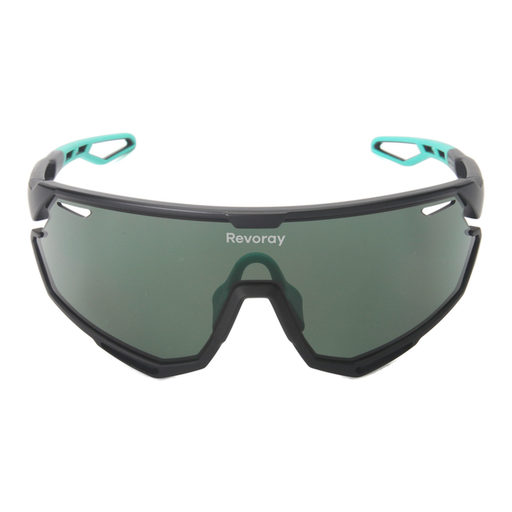
Why this product suits this type of rider: The integrated PC lens, TR90 frame and stated weight of around 30 g offer a straightforward set of features for everyday rides, e-bike trips and your first sporting outings.
The product details specify UV400 protection, non-slip features and an impact-resistant PC lens, rather than focusing on design alone.
Around 30 g in weight, a one-piece PC lens, stated UV400 protection, and rubberised nose and arm sections.
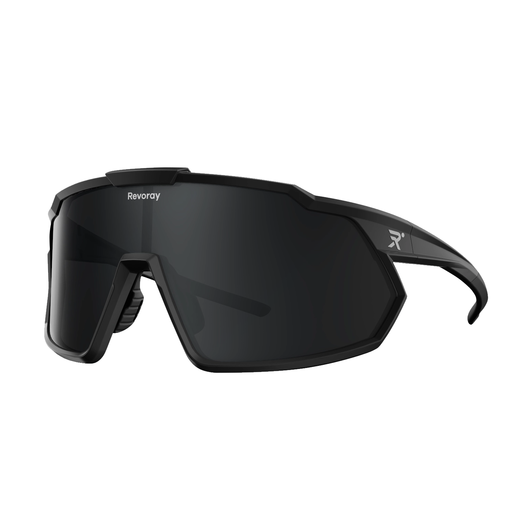
Why this product suits this type of rider: For sunny road and touring rides, polarised TAC lenses, stated light transmission of around 15,2 % and an adjustable fit are useful points of comparison.
The product details specify the lens technology, light transmission, UV400 protection and ANSI Z87.1 testing.
TAC polarised lenses, a TR90 frame weighing around 33 g, adjustable silicone pads, and a water- and oil-repellent coating.
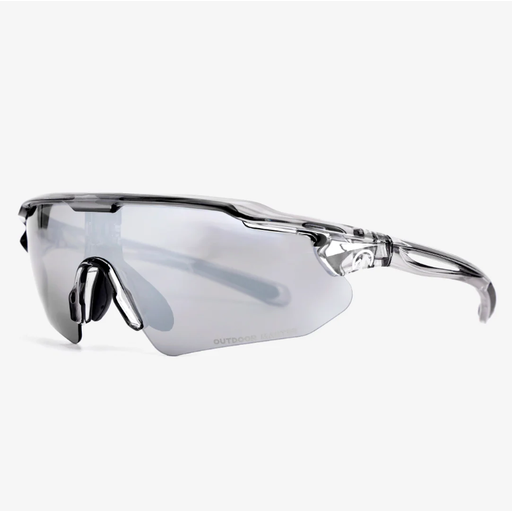
Why this product suits this type of rider: Photochromic and polarised lenses are a good match for riders who move between open roads, woodland trails and changing light conditions.
Tint adjustment is listed as a product feature, alongside UV400 protection, adjustable nose pads and impact resistance.
TR90 frame weighing 26 to 29 g, photochromic and polarised PC lenses, and an included inner frame for prescription lenses.
We’ve put together a complete, regularly updated list of products that meet these strict selection criteria and fully comply with the safety regulations in force in the EU.
After dusty or wet rides, first rinse the lenses with clean water. Then use a soft microfibre cloth. Alcohol, harsh cleaners and rough paper towels can damage coatings. Store your glasses in a case and keep them away from high temperatures, heavy pressure and sharp objects.
Scratches in your field of vision, damaged arms or a fit that has become permanently loose are all signs that it may be time for a new pair. There’s no set lifespan, as UV exposure, cleaning methods, risk of falls and frequency of use all play a part.
Yes. They can reduce reflections from tarmac, water and vehicles in bright weather. In changeable light, check that the tint stays light enough. If you often ride in overcast conditions, a photochromic option may be more practical.
UV400 indicates stated protection against ultraviolet radiation up to 400 nanometres. Check the label alongside other information about the lens material, fit and, where applicable, testing standards.
A good fit with sufficient ventilation can help. Models with ventilated lenses are worth considering for intense exercise. You should also avoid touching the glasses with greasy fingers and clean coatings only with suitable cloths.