
Lieferung heute & morgen

Qualitätsgarantie

Willkommens-Angebote freischalten: KOSTENLOSE Lieferung | Bis zu 80 % RABATT | Kostenlose 30-Tage-JoyPlus-Testphase
App herunterladen
A dish rack, also known as a dish drainer or dish stand, is an essential tool in almost every kitchen. However, choosing the right model can be more complicated than it first seems. The wrong rack doesn't just create clutter; it can also quickly become unhygienic or even damage your countertop. As your Joybuy Product Recommendation Officer, I'll help you identify the typical pitfalls and make an informed decision.
Many buyers only notice flaws in their new dish rack after a few weeks. Watch out for these three common issues to avoid a bad buy:
To prevent these problems, you should check three core aspects before buying. These determine the longevity, functionality, and hygiene of your new dish drainer.
The material has a direct impact on durability and the amount of maintenance required.
The size and structure must suit your household and the available space.
A good dish rack with a drip tray is a must. Even better is a system that actively drains the water. Look for models with a slightly sloped tray or an integrated, pivoting spout that directs water straight into the sink. This effectively prevents standing water, limescale, and mould.
Here are some recommendations tailored to different needs and kitchens.
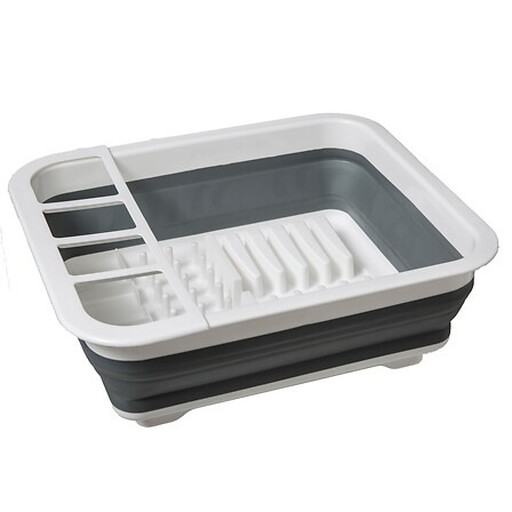
Why This Fits Their Persona: Ideal for small kitchens or single households where countertop space is limited. The retractable design allows for flexible adjustment to the amount of dishes and can be stored compactly when not in use.
The PP/TPE material is completely rust-proof. The collapsible design solves the problem of a bulky, unused rack.
Flexibly retractable and stores compactly. Integrated cutlery holder for extra organisation.
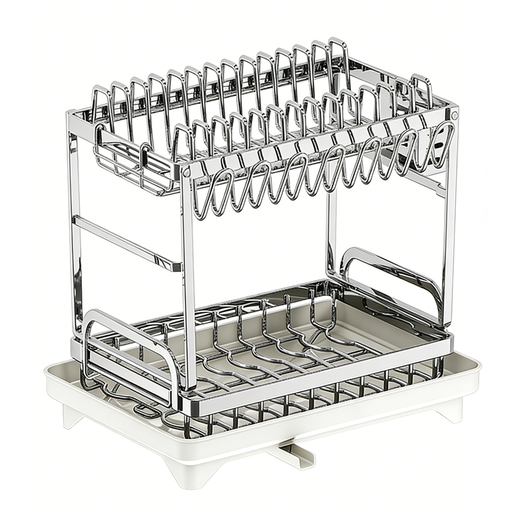
Why This Fits Their Persona: Perfect for families or households with a high volume of dishes. The two-tier design maximises capacity, while the robust stainless steel construction ensures durability.
The construction of stainless steel and PP prevents rust. The integrated drainage spout directs water away, preventing stagnation. Its high capacity solves the problem of overcrowded, unstable racks.
Large capacity with a 2-tier design. Direct water drainage keeps the countertop dry. Sturdy and durable materials.
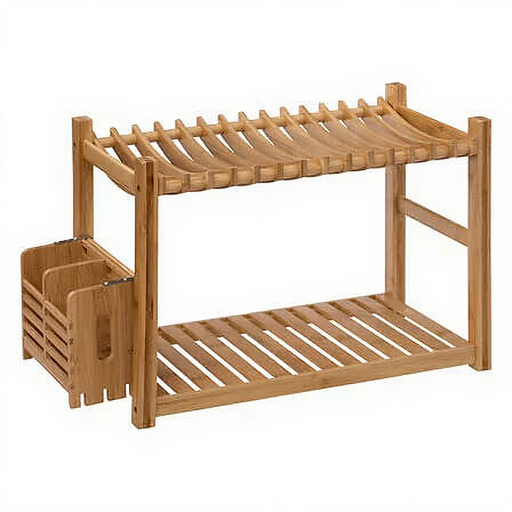
Why This Fits Their Persona: For anyone seeking an alternative to metal or plastic and who values a warm, natural kitchen atmosphere. The bamboo material is a visual highlight and highly functional.
Bamboo does not rust. The two-tier design provides ample space, preventing the rack from becoming overloaded and unstable.
Appealing, natural look from bamboo. High capacity with two tiers and a separate cutlery pot.
We've compiled a complete, up-to-date list of products that fully meet these strict selection criteria and German safety regulations.
1. How do you properly clean a stainless steel dish rack? For regular cleaning, warm water with a little dish soap is usually sufficient. For limescale deposits, a solution of water and vinegar can help. Apply the solution, let it sit for a short time, and then rinse thoroughly with clean water. Do not use steel wool or abrasive cleaners, as they can scratch the surface.
2. Is a bamboo dish rack hygienic? Yes, with proper care, bamboo is a hygienic material. It has naturally antibacterial properties. It's important that the rack can dry well after use. Wipe off excess water and ensure the location is well-ventilated to prevent mould growth.
3. What is the best solution for a constantly wet drip tray? The most effective solution is a dish rack with direct water drainage. These models have a small spout that continuously channels the collected water into the sink. Alternatively, you should empty and wipe the drip tray dry daily to prevent limescale and germ buildup.