
Lieferung heute & morgen

Qualitätsgarantie

Willkommens-Angebote freischalten: KOSTENLOSE Lieferung | Bis zu 80 % RABATT | Kostenlose 30-Tage-JoyPlus-Testphase
App herunterladen
By a Joybuy Product Recommendation Officer, August 28, 2026
Dried mango is a popular fruit snack that brings a taste of the tropics to your daily routine. However, when you're shopping, there are significant differences that aren't always obvious at first glance. Many products marketed as a healthy alternative can turn out to be sugar traps, while unwanted additives and a disappointing texture can spoil the experience. This guide will help you separate the good from the bad and make an informed purchasing decision.
Before you buy dried mango, you should be aware of two common problems that can lead to an unsatisfying experience.
To avoid these pitfalls, you should check two core parameters. They provide reliable information about the product's quality and character.
The ingredients list is your most important tool for understanding the actual composition. Pay attention to the following points:
The cut and origin of the mango significantly influence the eating experience.
Based on the criteria above, we have compiled a selection of products that cater to different preferences and use cases.

Why This Fits Their Persona: Ideal for those who seek the pure, unadulterated taste of sun-ripened mangoes. The focus here is on the natural sweetness of the fruit, without any artificial flavor enhancement.
This product bypasses the sugar trap, as the manufacturer states no sugar is added. The sweetness comes exclusively from the fruit itself.
Soft, large fruit slices with an intense, natural mango flavor. The ingredients list is short and sticks to the essentials.
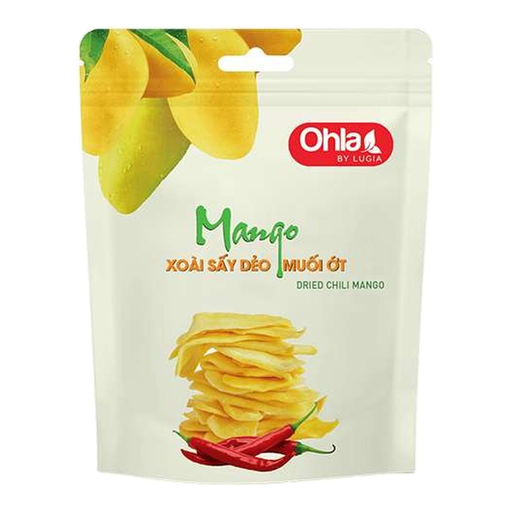
Why This Fits Their Persona: Perfect for snack lovers looking for a change from the classic sweet taste. The combination of fruity sweetness and a spicy chili note offers an exciting flavor experience.
This product is transparent about its flavor profile. It avoids the pitfall of a bland or one-dimensional taste by intentionally adding a spicy component.
A balanced combination of sweet, sour, and spicy. The ingredients list is straightforward, focusing on mango, sugar, and chili.
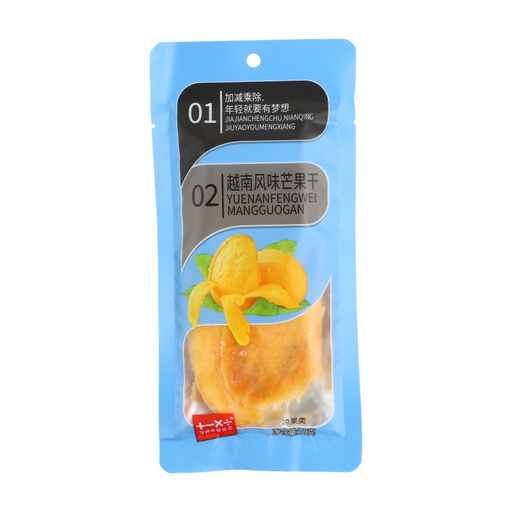
Why This Fits Their Persona: Suitable for professionals and families looking for a simple and delicious fruit snack for on the go, in a lunchbox, or at the office. The 70g pack is conveniently portioned.
This product avoids the pitfall of a disappointing texture. It is described as "pleasantly chewy, tender, and slightly sticky," delivering the classic eating experience many expect from dried mango.
A balanced sweet-and-sour flavor profile in the Vietnamese style. The practical portion size makes it an ideal snack for in-between meals.
We have compiled a complete, up-to-date list of products that fully meet these strict selection criteria and local regulations.
1. What is the difference between dried and candied mango? Dried mango is made by removing water from the fruit, which concentrates its natural sugars and flavor. Candied mango is additionally soaked in a sugar solution before being dried. This makes it sweeter, softer, and gives it a longer shelf life, but it also contains significantly more added sugar.
2. Why do many dried mangoes contain sulfites? Sulfites (e.g., sulfur dioxide, E223) are antioxidants and preservatives. They are used to maintain the mango's bright yellow-orange color and to inhibit the growth of mold and bacteria. Products without sulfites often have a darker, brownish color, which is a natural result of the process.
3. How should I store opened dried mangoes properly? After opening the package, dried mangoes should be stored in an airtight container in a cool, dry place to protect them from moisture. A resealable bag or an airtight container is ideal. Some manufacturers recommend refrigeration to preserve softness, especially for products with higher moisture content. Always follow the storage instructions on the packaging.