
Lieferung heute & morgen

Qualitätsgarantie

Willkommens-Angebote freischalten: KOSTENLOSE Lieferung | Bis zu 80 % RABATT | Kostenlose 30-Tage-JoyPlus-Testphase
App herunterladen
Dried mango is a practical snack for days out, the office, lunchboxes or as a sweet finish with your tea. However, there are clear differences between soft mango slices, crunchier dried fruit, Philippine varieties and seasoned recipes. If you only look at large packs or appetising product images, you will often overlook important details.
A 160 or 227g bag may seem attractively priced at first glance. However, the key factor is the mango content. In processed products, sugar, glucose syrup, maltose, spices or flavourings can make up a significant proportion of the ingredients. You should therefore check the ingredients list and the stated quantitative information. A higher mango content may suggest a more fruit-led flavour, but on its own it says nothing about the softness or sweetness you are looking for.
Marketing terms are no substitute for product information. Dried mango slices may contain added sugar, have been processed with acidity regulators or contain preservatives. Several products in this selection list sulphites or sulphur dioxide. Anyone with a relevant intolerance should read the allergen information particularly carefully.
The statement “no artificial colourings” does not automatically mean that a product contains no added sugar or additives. The ingredients list, nutritional table and packaging information remain decisive.
Soft dried mango, also described as “chewy mango”, can change in texture after opening when exposed to air and moisture. You should therefore reseal the bag as airtight as possible and follow the storage instructions. For some products, chilled storage after opening and prompt consumption are recommended.
Compare the stated mango content of each product. Examples from this selection include:
The percentage should always be considered alongside the ingredients list. A product containing spices, salt or several sweeteners is aimed at a different flavour profile from a classic sweet mango that is dried without spicy ingredients.
Dried fruit contains a concentrated amount of carbohydrates because the water has been removed. Added sugar can intensify the flavour further. Pay attention to the information per 100 grams, not just the serving size.
In the product data available here, energy values range, for example, from 292 to 370 kcal per 100 grams, depending on the recipe. The values are not directly comparable when products have different recipes, spices or fruit contents. If you prefer a less sweet taste, check the acidity regulators and salt content as well as the sugar level.
Individually wrapped pieces or small bags are convenient for taking with you. Be&Cheery One-Bite Mango Sticks are described as bite-sized portions. Larger mango strips, on the other hand, are better suited to sharing, adding to yoghurt, muesli or a snack mix.
If you prefer a tender, slightly sticky texture, you will often find it in Philippine dried mango or Vietnamese dried mango. However, the exact texture can only be estimated from the product description and storage conditions. Terms such as “soft”, “tender” and “chewy” are useful pointers, but they do not replace the ingredients and storage information.
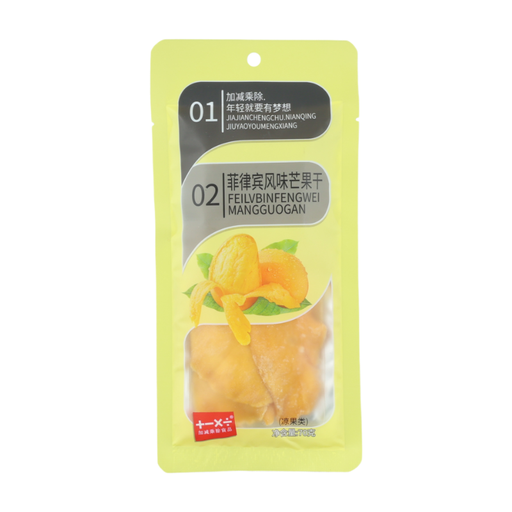
Why this product suits the profile: The 70g pack is a manageable size, making it suitable for trying the product or enjoying as a single snack portion. The description mentions soft, chewy mango slices with a sweet and sour flavour.
The 90% mango content is clearly stated. The ingredients list also mentions sulphites, sugar and citric acid.
90% mango according to the product information; compact 70g pack; suitable as an Asian fruit snack on the go.
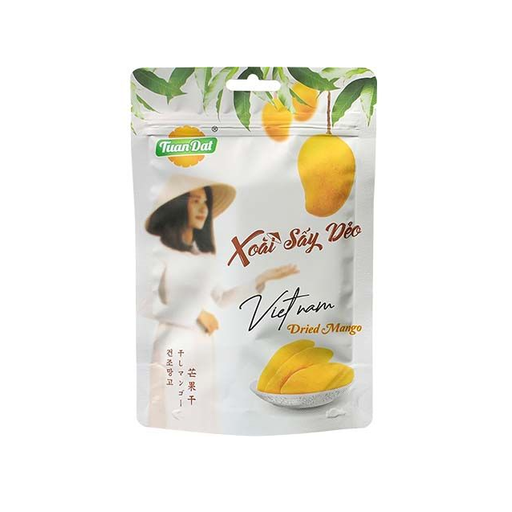
Why this product suits the profile: This Vietnamese recipe contains 95% mango and 5% sugar. The slices are described as soft and chewy and, according to the product information, contain no synthetic colourings.
The ingredients are clearly listed as mango, sugar and sulphur dioxide. Instructions to store the product in a cool place after opening help to preserve its texture.
95% mango according to the product information; 100g pack; Vietnamese variety with a sweet and sour profile.
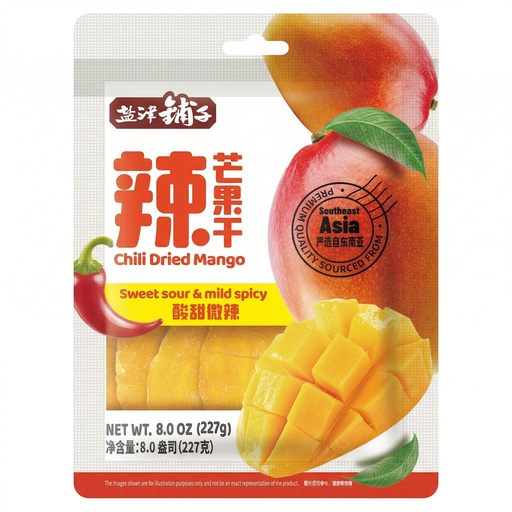
Why this product suits the profile: The larger 227g pack is aimed at households, frequent snackers and fans of spicy dried mango with a sweet, sour and savoury flavour profile.
The flavour is explicitly described as spicy. This means you do not have to infer the seasoning from the ingredients list alone; the sulphite information should still be noted.
227g pack; combination of sweet, sour and spicy flavours; described as a ready-to-eat snack.
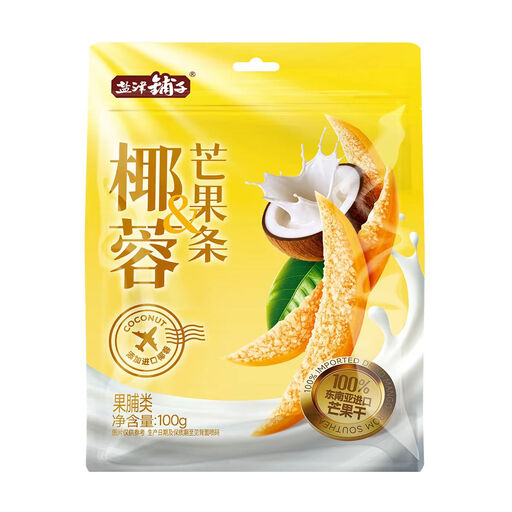
Why this product suits the profile: The combination of soft mango and desiccated coconut appeals to shoppers looking for a mango snack with an extra coconut note or something to enjoy with tea.
The coconut content of 5% and mango content of 85% are stated. The ingredients list specifies sulphites, sugar and acidity regulators.
100g pack; 85% dried mango; 5% desiccated coconut; individually wrapped portions according to the product information.
We have put together a complete, regularly updated list of products that fully meet these strict selection criteria and the safety regulations applicable in the EU.
Keep the pack tightly sealed in a cool, dry place away from direct sunlight. If the product information recommends refrigeration after opening, this guidance should be followed. High humidity can make the mango slices stickier or cause them to lose their original texture.
The best-before date is shown on the relevant packaging. Unopened products remain suitable for consumption up to this date when stored correctly. Once opened, shorter recommendations may apply depending on the product. Check the appearance, smell and packaging information, and consume the mango as soon as reasonably possible.
Many recipes contain added sugar. Some of the products mentioned here also list sulphites or sulphur dioxide as a preservative or antioxidant. If you need to avoid these substances, check the full ingredients list and allergen information before buying.