
Lieferung heute & morgen

Qualitätsgarantie

Willkommens-Angebote freischalten: KOSTENLOSE Lieferung | Bis zu 80 % RABATT | Kostenlose 30-Tage-JoyPlus-Testphase
App herunterladen
A drinking cup needs to work reliably at the office, university, at home, in the gym or on the go. In practice, unclear material details, unsuitable lids and assumptions about how easy a cup is to clean can often lead to the wrong choice. A cup may be advertised as ‘leakproof’, ‘heat-resistant’ or ‘dishwasher-safe’, but the manufacturer’s specific instructions are what really matter.
A leakproof drinking cup needs a suitable lid, an intact seal and a properly secured closure. A clip-on lid may be suitable for smoothies or yoghurt, but that doesn’t automatically mean it’s designed for fizzy drinks. With screw-top lids, check whether the drinking spout can be sealed separately and whether the manufacturer specifically says the cup can be carried in a bag.
A ceramic cup may be microwave- or oven-safe without being suitable for use on a hob. For example, the STAUB Ceramic Cup is listed as oven-safe up to 300 °C, microwave-safe, freezer-safe down to -20 °C and dishwasher-safe. Direct heat sources such as a gas flame, induction hob or conventional hob are not suitable, however.
Glass isn’t automatically suitable for hot drinks either. According to the product details, the Ina Low Tumbler is made from soda-lime glass and is designed for drinks between 0 °C and 60 °C. Hot or boiling water can cause thermal shock and crack the glass.
A smoothie cup or travel cup often has several parts: a lid, straw, seal and sometimes a sieve insert. These components need to be cleaned regularly and dried thoroughly. A dishwasher-safe cup can make cleaning easier, but that doesn’t mean every accessory is automatically dishwasher-safe too. Thermo cups and sports water bottles are often intended to be hand-washed.
A thermo cup or sports water bottle with a 720 ml capacity gives you more to drink, but takes up more room in a small bag. A protein shaker with a 500 to 700 ml capacity can be a good choice for protein shakes, especially if it has measurement markings and a sieve insert.
Ceramic cups are often suitable for coffee, tea and hot chocolate. Check the microwave and dishwasher instructions for the specific model you’re considering. A glass cup with a lid may be suitable for cold drinks, iced coffee and smoothies. Borosilicate glass is designed to withstand temperature changes, but the lid, straw and glass itself can still be delicate.
When choosing plastic, it’s important to check that the material is clearly specified. A BPA-free cup indicates that bisphenol A has not been used. This information should be stated in the product description or on the label, rather than assumed from general marketing claims.
For commuters, a securely closing lid, sturdy drinking spout and easy-to-access opening are all important. A water bottle with a straw often makes it easy to take frequent sips without tilting the bottle, but it needs especially careful cleaning. For a shaker, a tightly closing lid, sieve insert and whisk or mixing insert are useful features.
If you’re making smoothies, it’s also worth considering whether you need a separate smoothie blender. A personal blender with drinking cups can combine preparation and portability, but it needs electricity, blade maintenance and a thorough clean straight after use.
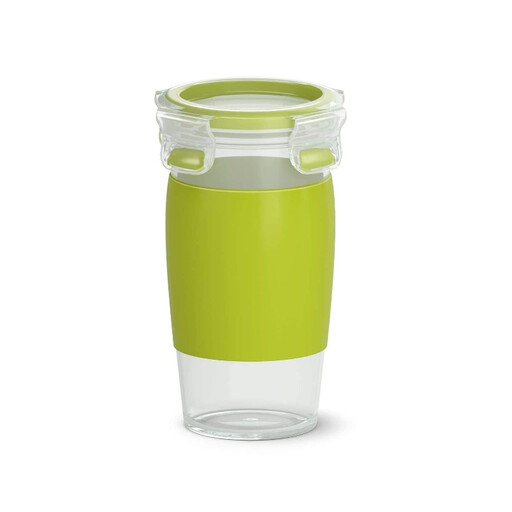
Why this product suits this profile: This 450 ml cup is designed for smoothies and drinks on the go. A clip-on lid, handle and stated BPA-free plastic construction make it a good fit for the office, university and short trips.
The product details specify features including a 450 ml capacity, clip closure and suitability for the dishwasher, microwave and freezer. Remove the lid before heating.
Lightweight plastic design, 450 ml capacity, and stated leakproof and BPA-free properties.
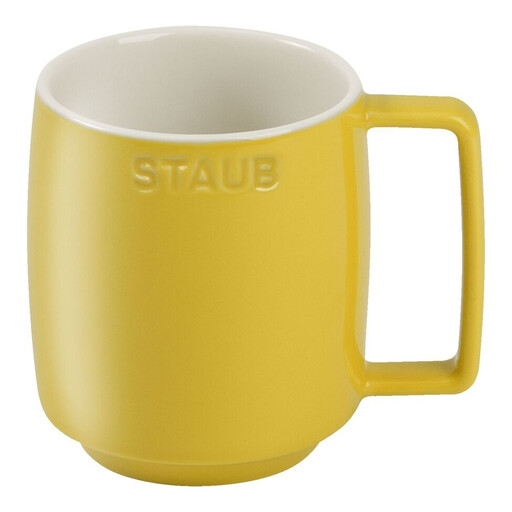
Why this product suits this profile: This ceramic cup is designed for coffee, tea, hot chocolate and small servings of soup. Its ergonomic handle and stackable shape make it a practical choice for the kitchen, dining room or office.
Its intended uses are clearly listed: oven-safe up to 300 °C, microwave-safe, freezer-safe down to -20 °C and dishwasher-safe. It should not be used over direct heat on the hob.
350 ml capacity, ceramic construction, handle, stackable design and stated suitability for a range of temperatures.
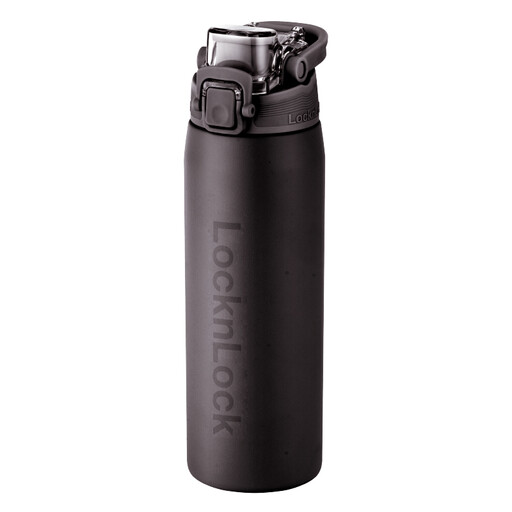
Why this product suits this profile: This 720 ml sports water bottle is made from 316 stainless steel. It’s designed for people who want to carry more to drink when exercising, commuting, studying or travelling.
The care instructions specify hand-washing and say not to put it in the dishwasher. Fizzy drinks, overfilling, and use in the microwave or oven are also not recommended.
720 ml capacity, 316 stainless steel, a straw and a portable design for sport, travel and everyday use.
We’ve put together a comprehensive, regularly updated list of products that meet these strict selection criteria and fully comply with the safety regulations in force in the EU.
For smoothies, choose a smoothie cup with a tightly fitting lid or a personal blender with a suitable cup for taking your drink on the go. Look for a wide opening, parts that are easy to take apart and no hard-to-reach areas around the seals. If you’re using a smoothie blender, check the maximum fill level and permitted operating time too.
Its lifespan depends on the material, how often you use it and how well you care for it. Ceramic and glass can break if knocked. Plastic can be damaged by scratches, heat or harsh cleaning products. Check seals and straws regularly, and replace them if they become cracked, misshapen or retain an unpleasant smell.
The main running costs are electricity, ingredients and cleaning. A blender with a 650-watt motor needs relatively little time to run for short blending cycles. The actual cost depends on how long you use it, your electricity tariff and how often you blend. For single servings, a compact personal blender may take up less space than a large kitchen appliance.