
Lieferung heute & morgen

Qualitätsgarantie

Willkommens-Angebote freischalten: KOSTENLOSE Lieferung | Bis zu 80 % RABATT | Kostenlose 30-Tage-JoyPlus-Testphase
App herunterladen
A reliable electric cooler is essential for many activities—whether it's for camping, long road trips, in a truck, or as an extra cooling option in the garden shed. But the market is saturated and full of technical promises that aren't always kept. The wrong purchase leads not only to lukewarm drinks but also to wasted money. This guide will help you identify the crucial features and make an informed decision.
As your Joybuy Product Recommendation Officer, I have analysed the most common pitfalls so you can avoid them.
To make the right choice, it's important to understand the technical basics. Three parameters are of central importance.
The most important distinction lies in the cooling technology.
A versatile portable cooler should be equipped for various scenarios.
The capacity is specified in litres and should be tailored to your intended use.
Instead of presenting a confusing list, we have selected models that meet specific needs and avoid the pitfalls mentioned earlier.
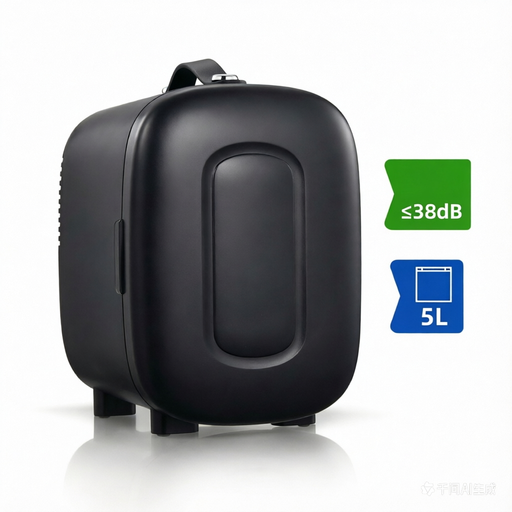
Why This Fits Their Persona: Ideal for commuters or as a personal fridge in the office. The compact 5-litre volume is enough for a few drinks and a snack. The thermoelectric function is sufficient for keeping items cool on short trips or at a desk.
Avoids the flexibility trap by including both an AC mains plug and a 12V DC car plug. This allows for use at home and on the go without needing extra adapters.
Cooling and heating functions; Compact dimensions and low weight for high portability.
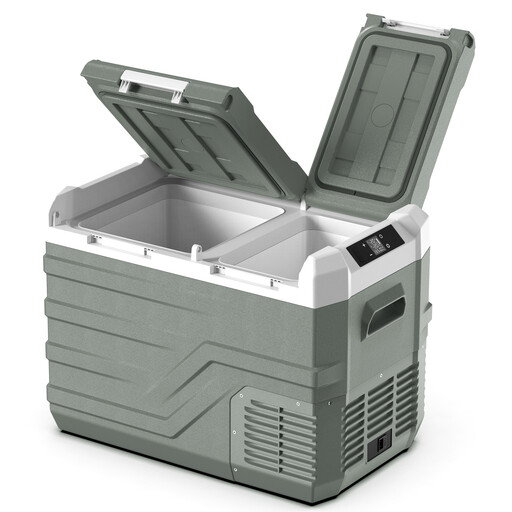
Why This Fits Their Persona: An all-rounder for weekend trips and camping holidays. With 31 litres, the cooler offers enough space for a small family. The compressor technology ensures reliable cooling down to -20°C, even on hot days.
Solves the dead battery problem with its three-stage battery protection. The compressor technology prevents the temperature trap and delivers consistent cooling performance.
Dual-zone technology for simultaneous cooling and freezing; Operates on 12/24V DC and 100-240V AC.

Why This Fits Their Persona: Designed for heavy use in motorhomes, on boats, or for truck drivers. The massive 95-litre volume and two independently controlled zones offer space and functionality comparable to a household appliance.
This model is the solution to all three pitfalls: powerful compressor performance, a flexible 12/24V/AC connection, and reliable battery protection come as standard.
Very large capacity (95 L); Two separately adjustable cooling zones; App control and USB port.
We have compiled a complete, up-to-date list of products that fully meet these strict selection criteria and safety regulations.
The runtime depends on several factors: the cooler's power consumption (in watts), the car battery's capacity (in amp-hours), the set temperature, the ambient temperature, and the battery monitor setting. A compressor cooler in ECO mode can often run on a healthy car battery for 12 to 24 hours or more before the battery monitor intervenes. Thermoelectric models often draw power more continuously and can drain a battery faster.
The main difference lies in the cooling technology and performance. A compressor cooler works like a refrigerator and reaches the set temperature (e.g., 4°C or -18°C) regardless of the outside temperature. A thermoelectric cooler only cools by a certain amount (e.g., 20°C) below the ambient temperature. On a hot day, its cooling performance is therefore limited.
Yes, this is possible in a compressor cooler with a freezer function. These models can reach temperatures as low as -20°C, which is sufficient for deep-freezing food. Pay attention to the manufacturer's technical specifications, where the temperature range is specified. Thermoelectric coolers cannot freeze.