
Lieferung heute & morgen

Qualitätsgarantie

Willkommens-Angebote freischalten: KOSTENLOSE Lieferung | Bis zu 80 % RABATT | Kostenlose 30-Tage-JoyPlus-Testphase
App herunterladen
The search for the right eye cream can quickly feel overwhelming. The market is flooded with products that promise instant results. But not every cream delivers on its advertising claims. As a Joybuy Product Recommendation Officer, my job is to cut through the marketing noise and give you objective, practical guidance. In this guide, we'll focus on the facts so you can make an informed decision and avoid costly mistakes.
Before we dive into the crucial criteria, let's shed light on two common marketing traps that often lead to disappointment:
To find the right care for you, it's crucial to know your own needs and check the product description for relevant parameters. Focus on these three core aspects:
The effectiveness of an eye cream depends on its ingredients. Look specifically for formulations tailored to your specific problem.
The skin around the eyes is up to ten times thinner than on the rest of the face and has very few sebaceous glands. A cream that is too rich or oily can clog pores and lead to the formation of milia (small white cysts).
Look for lightweight textures like gels or light creams that absorb quickly without leaving a greasy film. A formulation marked as "ophthalmologist-tested" has been checked for its compatibility in the eye area, which can be an additional indicator for sensitive skin.
Based on the criteria mentioned, we have compiled a selection of products suitable for different user profiles and needs.
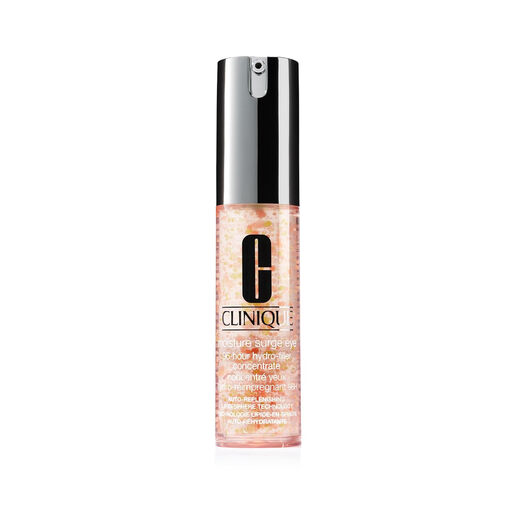
Why This Fits Their Persona: Ideal for beginners or individuals whose main concern is dryness and preventing the first signs of aging. The lightweight water-gel texture is easy to apply and works perfectly as a base for makeup.
This product is not an overloaded "jack-of-all-trades." It clearly focuses on one task: providing intense, long-lasting hydration to strengthen the skin barrier and soften dryness lines.
The ultra-light water-gel texture absorbs instantly, leaving a refreshed, non-sticky feeling. The formula with aloe butter and antioxidants hydrates and protects.
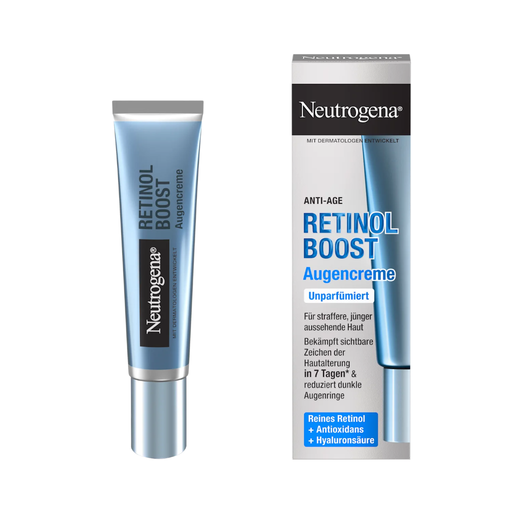
Why This Fits Their Persona: Suitable for users who want to actively reduce the appearance of fine lines and crow's feet. This cream offers an active ingredient-based solution for visible signs of aging.
Instead of vague promises, this product relies on a clearly defined active ingredient: Retinol. It focuses on reducing wrinkles, sidestepping the pitfall of trying to solve too many problems at once.
The formula combines Retinol with Hyaluronic Acid. This allows for effective anti-wrinkle care while simultaneously providing hydration, which is especially important with retinol products.
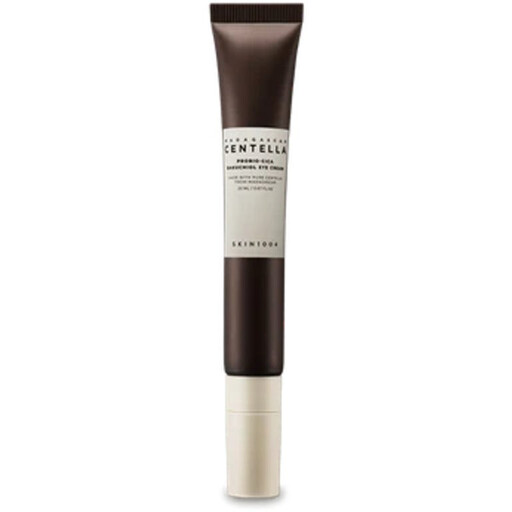
Why This Fits Their Persona: Perfect for those with sensitive skin looking for gentle yet effective anti-aging care. The soothing ingredients are ideal for preventing irritation in the delicate eye area.
This product bypasses the price myth. It offers a high-quality formulation with trending ingredients like Bakuchiol and Centella Asiatica, without the premium of a luxury brand.
The combination of soothing, fermented Centella Asiatica and the gentle retinol alternative Bakuchiol provides an anti-aging effect while simultaneously nourishing and strengthening the skin barrier.
We have compiled a complete, up-to-date list of products that fully meet these strict selection criteria and German safety regulations.
A pea-sized amount is sufficient for both eyes. Gently pat the cream along the orbital bone using your ring finger, which applies the least amount of pressure. Start at the inner corner of the eye and work your way outwards. Avoid rubbing or pulling, and do not apply the product directly to the mobile eyelid or too close to the lash line.
There is no fixed age. A light, hydrating eye cream can be beneficial starting in your early to mid-20s to keep the skin hydrated and prevent dryness lines. Products with active anti-aging ingredients like retinol or peptides typically become relevant in your late 20s or early 30s, when the first signs of aging become visible.
This is not always advisable. Face creams may contain fragrances or active ingredients in concentrations that are too irritating for the delicate skin around the eyes. Additionally, their textures are often richer, which can lead to milia. Eye creams are specifically formulated for the needs and sensitivity of this area and are often tested for their compatibility with the eyes.