
Lieferung heute & morgen

Qualitätsgarantie

Willkommens-Angebote freischalten: KOSTENLOSE Lieferung | Bis zu 80 % RABATT | Kostenlose 30-Tage-JoyPlus-Testphase
App herunterladen
Eye patches for dark circles and puffiness are a simple addition to your daily skincare routine. You place them under your eyes, leave them on for just a few minutes, and they deliver a serum. What really matters, though, is finding the product that suits your skin, your skincare goals, and how you plan to use it.
Many shoppers focus solely on buzzwords like "gold", "collagen" or "anti-ageing". On their own, these terms don't tell you much about how well a product will actually work. This guide will help you spot the details on packaging and product pages that are genuinely worth paying attention to.
Cooling eye patches can temporarily make the eye area look fresher. Hydrating eye masks can soothe dry skin and make fine lines appear less noticeable. However, a cosmetic treatment can't replace sleep or sun protection, and it won't automatically tackle the root cause of dark circles or under-eye bags.
Hyaluronic acid, collagen, caffeine and niacinamide are common ingredients in eye patches. But just seeing them listed doesn't guarantee a specific result. What matters is the full INCI list, how well the formula suits your skin, and the manufacturer's instructions. If you have sensitive skin, you should look out for fragrances, essential oils, alcohol and certain plant extracts.
Individual hydrogel eye pads are great for occasional use – say, before an appointment or after a late night. Jars with 60 or more patches are more economical for regular routines, but they need to be handled hygienically and sealed properly. A spatula can help reduce direct contact with the product.
Hydrogel eye patches usually sit close to the skin and release moisture and serum while you wear them. Check whether the shape suits your eye area and whether the pads can be placed under your eyes or also at the outer corners. A good grip means they're less likely to slip when you're sitting up or doing light activities.
With some products, the shape also shows you which way round they should go. For the patch, the product description says the wider end should be placed towards your nose or outwards, depending on the area you're treating.
Ingredients can change, so always check the information on the physical packaging. If you have known allergies, it's worth looking out for fragrances, plant extracts and other potentially irritating ingredients.
Wear time is usually between 5 and 30 minutes, depending on the product. Leaving them on for longer isn't necessarily better – if a patch dries out, it can make your skin feel worse. Eye patches should be applied to clean, dry skin. Avoid direct contact with your eyes.
For an extra cooling effect, many individually wrapped eye patches can be popped in the fridge for a short time before use. This is optional and not a necessary part of your routine. Once opened, jars should be sealed tightly and stored in a cool, dry place away from direct sunlight.
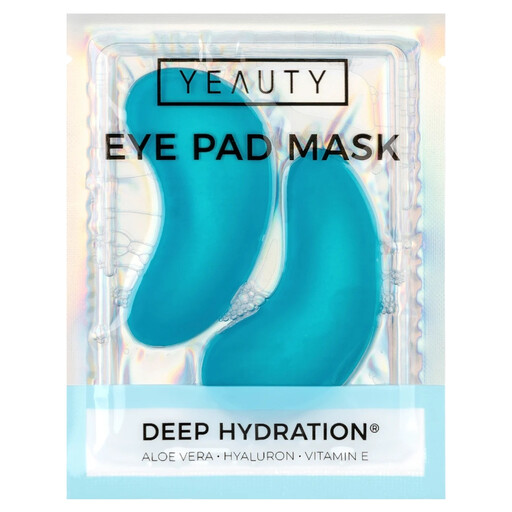
Why this product fits the profile: This single pack with two pads is ideal for occasional use and for anyone who wants to try a hydrating eye mask for the first time.
The small pack size means you won't have a large jar sitting open for ages if you only use it now and then.
According to the product description, the formula contains hyaluronic acid and aloe vera extract. The wear time is 15–20 minutes.
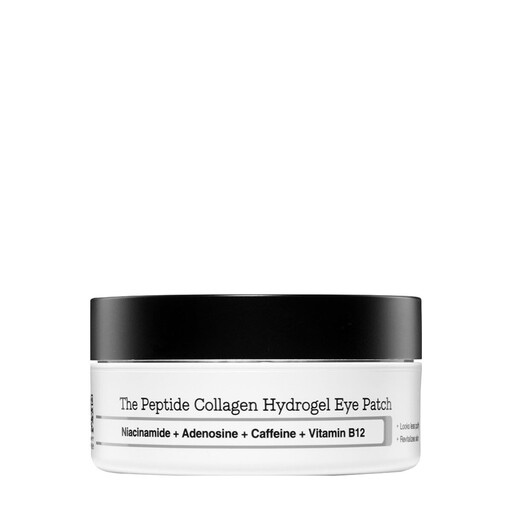
Why this product fits the profile: This multi-pack is designed for people who want to use hydrogel eye patches regularly as part of their morning or evening routine.
The product description states a specific quantity of 60 patches and a recommended wear time of around 10 minutes.
It lists four peptides, collagen, caffeine, niacinamide and several forms of hyaluronic acid. Check the INCI list before buying.
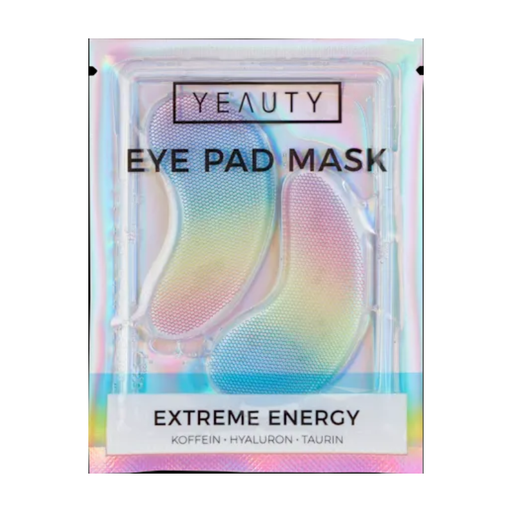
Why this product fits the profile: This single product is designed for a short 10–15 minute application and works well as a quick treatment for tired eyes.
The short wear time and clearly stated single-use format make it easy to plan without needing to open a large pack.
According to the product description, the formula contains caffeine, taurine and hyaluronic acid. The supplier states it is free from PEG and preservatives.
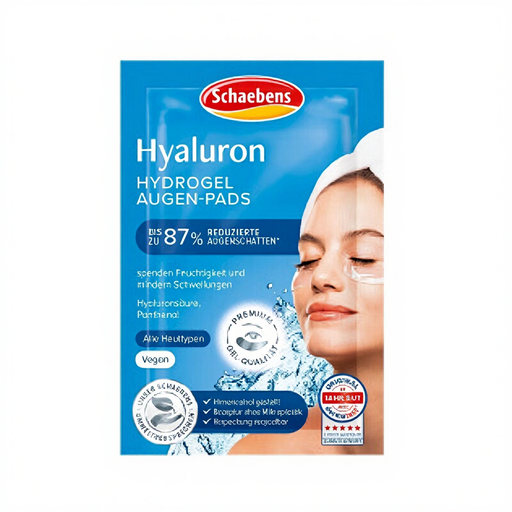
Why this product fits the profile: These pads are designed for a short 10–15 minute application and, according to the product description, can be chilled before use.
The product description lists specific exclusions such as parabens, mineral oils, colourants and silicones. You should still check your own tolerance.
Hyaluronic acid is the star of the formula. The supplier says the hydrogel material sits close to the skin.
We've put together a full, regularly updated list of products that meet these strict selection criteria and the safety regulations in force in the EU.
If you have sensitive skin, it's a good idea to do a patch test on a small area first. Products with retinal, retinol derivatives, fragrances or essential oils should be chosen carefully based on the information on the packaging.
It depends on the product. The usual time is around 5 to 30 minutes. Stick to the recommended time, because a dried-out patch can feel uncomfortable. If you're unsure, always follow the instructions on the packaging and product page.
Eye patches can temporarily make the eye area look cooler, more hydrated or fresher. If you have pronounced or persistent puffiness, you shouldn't expect a permanent cosmetic effect. Any lasting changes or concerns should be checked by a doctor.
Single-use pads are used straight after opening. With multi-packs, how often you use them depends on the manufacturer's instructions and your own skin's tolerance. For frequent users, packs of 60 patches are practical; if you only want occasional care, you can start with a single application.