
Lieferung heute & morgen

Qualitätsgarantie

Willkommens-Angebote freischalten: KOSTENLOSE Lieferung | Bis zu 80 % RABATT | Kostenlose 30-Tage-JoyPlus-Testphase
App herunterladen
Face masks can complement your skincare routine, but they’re often advertised with sweeping claims. Terms such as “refined pores”, “deep cleansing” or “intense hydration” don’t automatically tell you whether a product is right for your skin. Your skin type, the formula, how long you leave it on and how you use it all matter.
Whether you’re considering a face sheet mask, a hydrating mask or a clay mask, it’s worth taking a closer look at the product details. If you’re also looking for Korean skincare, foot care or a portable inhaler, assess each product category separately.
A single percentage tells you very little about the formula as a whole. For example, the SKIN1004 Madagascar Centella Watergel Ampoule Sheet Mask lists 51 % Centella Asiatica Extract. The formula also contains glycerin, betaine and various forms of hyaluronic acid. This makes the mask worth considering if you prefer a hydration-focused treatment, but it doesn’t replace checking whether the product suits your skin.
Plant extracts, fragrances and essential oils can also matter if you have sensitive skin. Check the full INCI list on the packaging against any ingredients you know you’re sensitive to.
Clay can absorb excess oil and temporarily leave your skin looking cleaner. A clay stick mask is particularly practical, as you can apply it straight from the stick. However, a single mask can’t permanently change the appearance of your pores.
If your skin is dry or sensitive, start by applying clay products to a small area for a short time. If your skin feels very tight after rinsing, try using the product less often or leaving it on for less time.
A foot peeling mask often contains acids such as lactic acid, glycolic acid or citric acid, and is intended for use on the feet only. It shouldn’t be used on your face. The Ashiura Ran Run product specifies a wear time of exactly 40 minutes; according to the product description, peeling typically begins a few days later.
Don’t forcibly peel away flaking skin. The product information advises against use on broken skin, eczema or severe inflammation. People with diabetes and anyone who is pregnant should seek medical advice before use.
Start by choosing a product based on what you want it to do:
With a sheet mask, the first ingredients on the INCI list are particularly relevant, as they generally make up a greater proportion of the formula. The Skin1004 Madagascar Centella Hyalucica Hydrating Mask 23 Ml lists 38 % Centella Asiatica Extract, along with glycerin, niacinamide and several forms of hyaluronic acid.
By contrast, the SKIN1004 Poremizing Clarifying Mask contains glucono delta-lactone, betaine salicylate and capryloyl salicylic acid, among other ingredients. These point to a more clarifying formula. It’s particularly important to use acids and exfoliating ingredients with care.
A sheet mask is designed for single use. Once opened, use it straight away rather than saving it for later. Apply the two SKIN1004 Watergel masks after cleansing and toning, and leave them on for 10 to 20 minutes.
A clay stick mask is easier to carry around and involves less direct contact with the product when applying it. The SKIN1004 Poremizing Quick Clay Stick Mask has a recommended application time of 3 to 5 minutes. Close the stick firmly after use to stop it drying out.
With an inhaler, technical specifications, accessories and cleaning are more important. The Medisana IN 540 uses compressor technology, has a capacity of up to 10 ml and comes with adult and child masks, a mouthpiece and nasal attachments. Use it according to the instructions and, where applicable, your doctor’s advice.
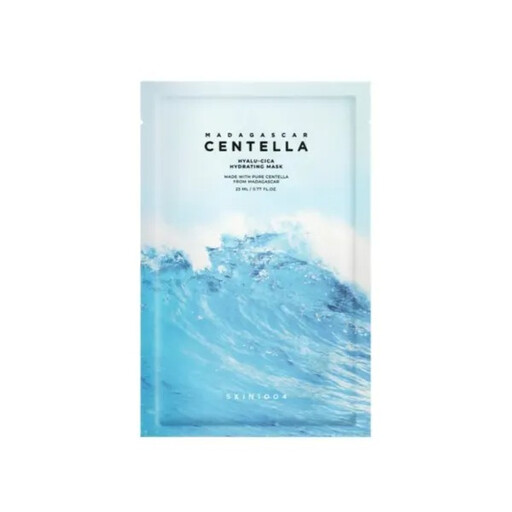
Why this product suits this profile: This single-use sheet mask offers an accessible introduction to Korean skincare and is designed to be left on for 10–20 minutes.
The product details list the ingredients and precise application time, rather than relying on a vague promise of hydration.
The listed formula contains 38 % Centella Asiatica Extract, as well as glycerin and forms of hyaluronic acid.
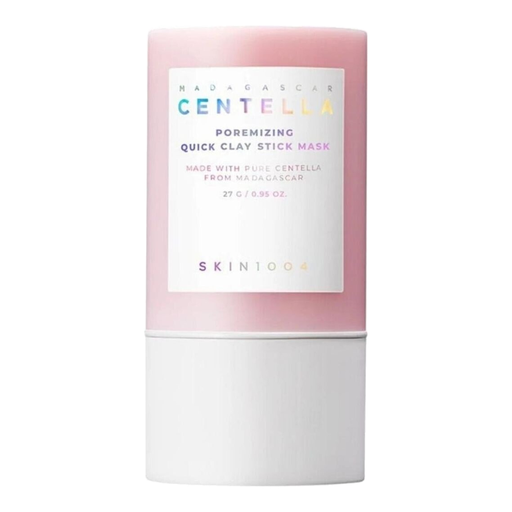
Why this product suits this profile: This stick is designed for people who prefer targeted application to the T-zone or face and want to keep application time short.
The application time is clearly limited to 3–5 minutes, helping you avoid leaving it on for longer than necessary.
The formula contains 18 % kaolin and Centella Asiatica; the stick format is handy for use on the go.
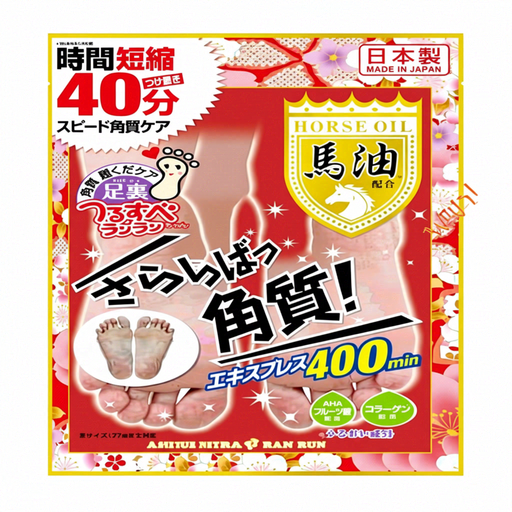
Why this product suits this profile: Designed for dry feet and callused areas, it’s intended as a separate step in your foot care routine.
The product description makes clear that it’s for use on the feet and highlights important precautions for broken or irritated skin.
The stated details include a 40-minute wear time, two mask socks and a formula with lactic acid, squalane and Horse Oil.
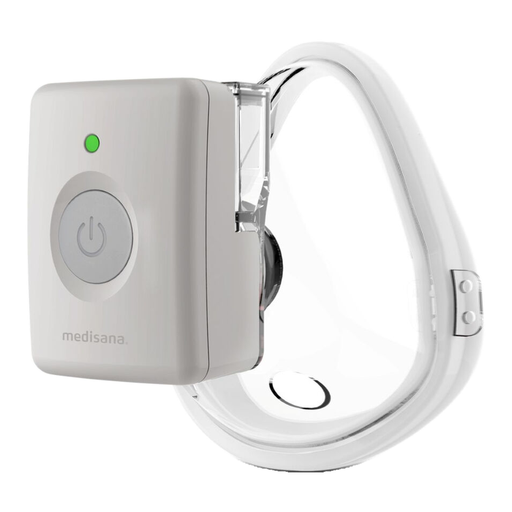
Why this product suits this profile: This portable device is for people who want greater freedom of movement and a choice of attachments while inhaling.
The listed accessories and features include adult and child masks, a mouthpiece, charging, a self-cleaning mode and automatic shut-off.
The product details list vibrating mesh technology, a weight of around 45 g and a storage pouch.
We’ve put together a complete, regularly updated list of products that meet these strict selection criteria and fully comply with the safety regulations in force in the EU.
Before using a product for the first time, it’s a good idea to do a patch test on a discreet area of skin. Only apply face masks to unbroken skin, and avoid the eye and lip areas. If you experience burning, itching, swelling or persistent redness, remove the product and stop using it.
Remove sheet masks after the stated time. You can gently pat in any remaining essence; depending on the product, rinsing may not be necessary. Rinse clay masks off completely with lukewarm water. The packaging, expiry date and batch number provide further guidance for safe use. Follow your local disposal guidelines for sheet masks containing plastic.
It depends on your skin type and the product. You can use a hydrating sheet mask occasionally after cleansing. Clay or exfoliating masks shouldn’t automatically be used every day. Follow the manufacturer’s instructions and pay attention to how your skin responds.
The SKIN1004 sheet masks mentioned here are designed to be left on for 10 to 20 minutes. Leaving a mask on for longer won’t automatically give you better results. Remove it if the sheet has dried out significantly or your skin starts to feel uncomfortably tight.
A hydrating mask often contains humectants such as glycerin, betaine or hyaluronic acid. A clay mask uses ingredients such as kaolin or bentonite, which can absorb excess oil. If you have dry, sensitive skin, use clay sparingly and follow up with a suitable moisturiser.