
Lieferung heute & morgen

Qualitätsgarantie

Willkommens-Angebote freischalten: KOSTENLOSE Lieferung | Bis zu 80 % RABATT | Kostenlose 30-Tage-JoyPlus-Testphase
App herunterladen
A floor cleaner needs to do more than simply pick up dirt. It should suit the surface in question, your living situation and your cleaning routine. Steam mops, traditional mops, electric floor cleaners and wet and dry vacuum cleaners all differ considerably. If you focus solely on wattage, the amount of accessories or advertising claims, you can easily end up buying a device that is impractical for everyday use.
A higher wattage initially only describes the electrical power consumption. It does not automatically indicate how well a device picks up liquids, how evenly steam is released or how easy the mop head is to manoeuvre. When choosing, you should also consider tank capacity, brush or mop width, weight, cable length and cleaning time.
Not every surface is suitable for water, heat or strong friction. Unsealed wood, delicate laminate, natural stone and water-sensitive materials can be damaged by a steam mop or overly wet cleaning. The manufacturer’s information on surface compatibility should be checked before purchase. Testing the device in an inconspicuous area is advisable.
Many attachments appear versatile at first glance. In practice, however, an awkwardly positioned release button, a shaft that is too short or a small dirty-water tank can be more important than a long list of accessories. If you want to remove pet hair, clean beneath furniture or remove stains from upholstery, choose the device according to these specific tasks.
For everyday cleaning of tiles, vinyl and sealed wood, a classic mop, microfibre mop or floor wiper with a telescopic handle is often sufficient. A reusable cover can reduce ongoing consumable costs. For hair and fine dust, a textured microfibre or chenille material is practical because particles can become caught in the fibres.
A steam mop uses heated water. This enables chemical-free cleaning, provided that only water is used and the floor is suitable for it. Steam should not be used on unsealed wood, unglazed tiles or other heat- and water-sensitive materials.
For households with different types of flooring, an electric floor cleaner with separate water tanks may be more suitable. A wet and dry vacuum cleaner combines the collection of dry dirt with damp mopping. Check whether carpets are actually approved for use and how much effort is required to clean the roller, filter and tanks.
A larger water tank extends the possible operating time, but it often increases the weight. A compact tank is easier to refill, but can lead to frequent interruptions when cleaning larger living areas. Pay attention to:
With a steam mop, heat-up time is also relevant. For a spot cleaner, consider the hose length, separate tanks and whether the attachments can be rinsed after use.
An adjustable handle can improve your posture. Jointed mop heads make it easier to clean beneath sofas and cupboards. Look for a secure locking mechanism, conveniently positioned controls and a weight that remains manageable even during extended use.
With steam devices, the water tank and accessories must be allowed to cool before changing them. Cleaning products, fragrances or descaling agents should only be added to the tank if this is expressly permitted. In Germany, electrical devices should also be designed for 220–240 volts and carry the required safety markings. A model with a different mains voltage is not automatically suitable for direct use in a German household.
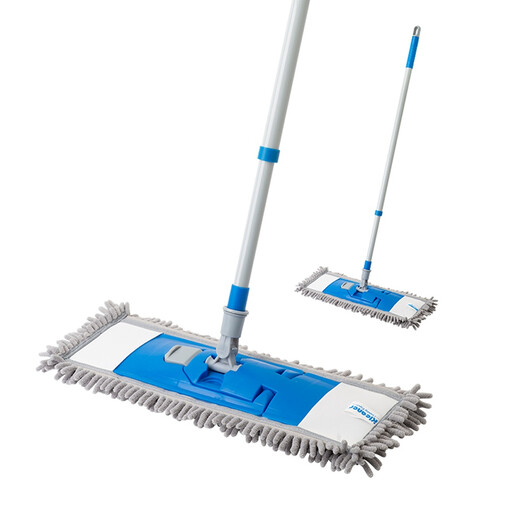
Why this product suits the profile: This manual microfibre mop is designed for regular dry dusting and damp mopping on hard floors. The handle can be adjusted from 73 to 130 cm.
The focus is not on high motor power, but on washable covers, flexible reach and minimal accessories and maintenance.
40 cm-wide chenille mop head, adjustable 73–130 cm handle and machine-washable microfibre cover.
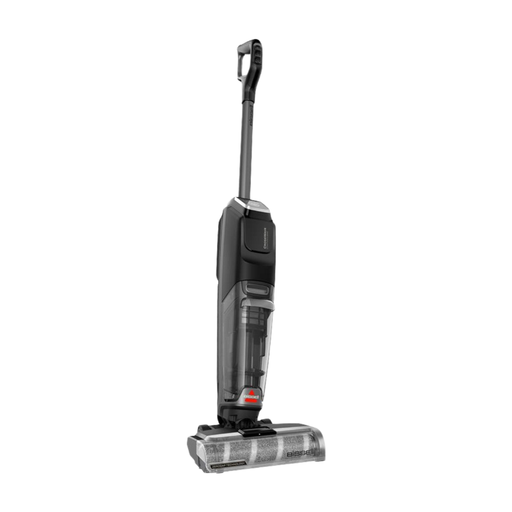
Why this product suits the profile: This cordless device combines dry dirt collection with damp mopping on hard floors. It is suitable for households that want to combine several cleaning steps in one device.
The separate 0.63 l clean-water and 0.44 l dirty-water tanks make it clear when the water needs changing and the device needs maintenance.
25.9-volt lithium-ion battery, three speed settings, LCD display and a stated runtime of up to 30 minutes.
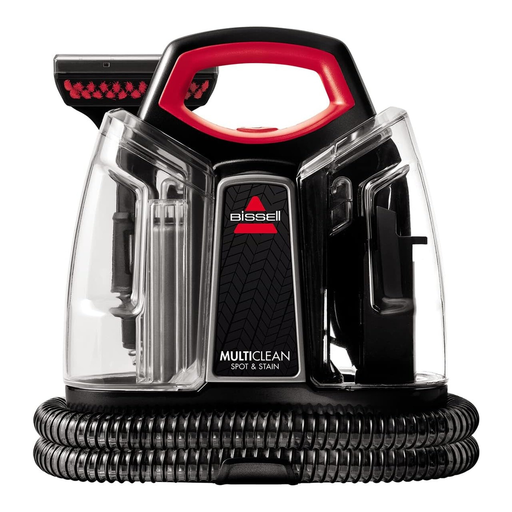
Why this product suits the profile: This compact carpet and upholstery cleaner is designed for spot-treating stains on textiles and cleaning smaller areas.
The 2.2 m hose and separate paths for clean and used water are designed for treating stains rather than mopping large floor areas.
2.5 l tank capacity, 300 watts of power consumption and a 2.2 m hose with a suitable cleaning attachment.
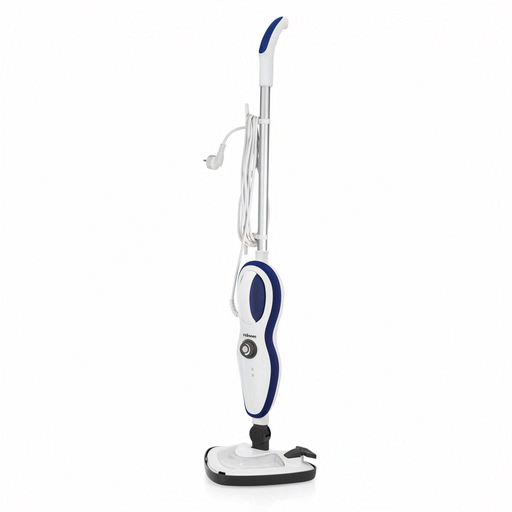
Why this product suits the profile: This 2-in-1 device can be used as an upright steam mop or handheld steam cleaner for suitable tiles, windows and hard-to-reach areas.
Its use is clearly limited to heat- and water-resistant surfaces. The detachable handheld unit extends its versatility without replacing the safety instructions.
1,500 watts, 0.4 l water tank, approximately 30 seconds’ heat-up time, 5 m cable and detachable handheld unit.
We have put together a complete, regularly updated list of products that fully meet these strict selection criteria and the safety regulations applicable in the EU.
Even the right floor cleaner requires regular care. Mop covers should be washed after every heavy clean and dried thoroughly. With electrical devices, the dirty-water tank, brush roller, filter and nozzles should all be cleaned routinely. This helps prevent odours, build-up and reduced water pick-up at an early stage.
With a steam mop, use only the approved type of water, and do not add any chemicals if the manufacturer prohibits them. After use, a window squeegee with a silicone blade should be cleared of sand and coarse particles so that the surface is not subjected to unnecessary strain.
For loose hair on hard floors, a microfibre mop with chenille fibres or an electric floor cleaner with a brush roller are suitable options. For carpets, check whether the brush and suction power are approved for the relevant pile height. A steam mop does not automatically pick up dry pet hair.
With a manual mop, the main costs are for water, detergent and occasional replacement covers. A steam mop requires electricity and water, but can be operated without additional cleaning chemicals where permitted. Cordless devices incur electricity costs for charging, as well as potential later costs for filters, rollers or batteries.
Service life depends on how frequently the device is used, maintenance, material quality and the availability of replacement parts. Tanks should be emptied after use, rollers and covers cleaned, and cables and locking mechanisms checked regularly. Before buying, it is worth checking whether suitable replacement parts and washable covers are available.