
Lieferung heute & morgen

Qualitätsgarantie

Willkommens-Angebote freischalten: KOSTENLOSE Lieferung | Bis zu 80 % RABATT | Kostenlose 30-Tage-JoyPlus-Testphase
App herunterladen
Freezing food is an effective method to extend its shelf life, preserve nutrients, and reduce food waste. However, not all bags are created equal for this task. The wrong choice can lead to freezer burn, loss of flavour, or leaks. This guide is designed to help you understand the different types of freezer bags and make an informed decision that fits your household's needs.
Choosing the right freezer bag depends on several factors, including the material, sealing mechanism, and intended use. Here are three key points to consider in your decision.
The choice of material directly impacts durability, flexibility, and environmental footprint.
A secure seal is crucial to prevent liquids from escaping and to protect food from air exposure.
The shape of the bag can make handling and storage significantly easier.
Based on functionality and use cases, we have curated a selection of different products that cover various needs for storing food.
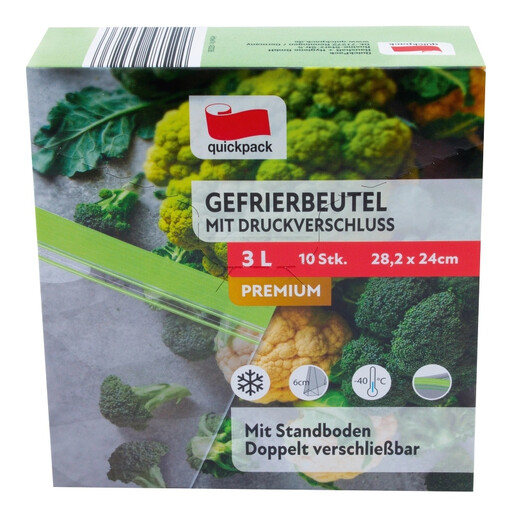
Why It Stands Out: The QUICKPACK freezer bag combines two highly practical features: a secure double seal and a sturdy stand-up base. With a 3-litre capacity, it is excellent for larger quantities or liquid foods. The stand-up base makes filling clean and straightforward, while the double zip-lock ensures a reliable seal.
Pros:
Who It's For: For households and families who regularly batch-cook and freeze soups, stews, or larger portions. Its ease of use makes it a convenient tool in any kitchen.
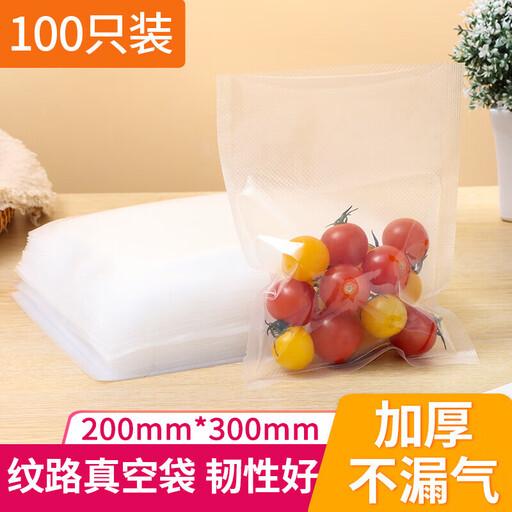
Why It Stands Out: These vacuum sealer bags are specifically designed for use with a vacuum sealer. By completely removing the air, the oxidation process is minimised, and freezer burn is effectively prevented. The pack of 100 bags in a practical 20 cm x 30 cm size provides a large supply for the long-term storage of meat, fish, vegetables, or cheese.
Pros:
Who It's For: For home chefs, anglers, hunters, and anyone who buys or harvests food in bulk and wants to preserve its quality over a long period. A vacuum sealer is required for use.
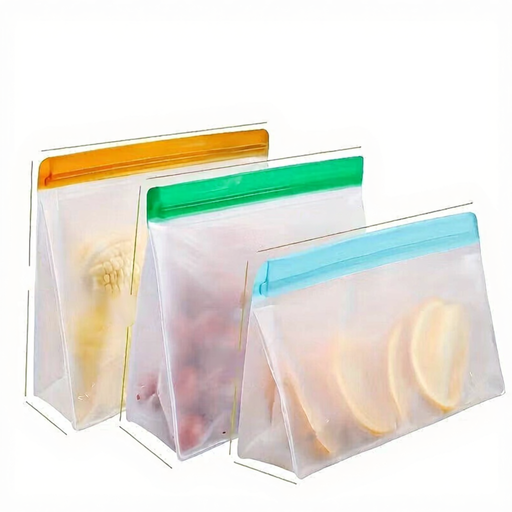
Why It Stands Out: This set of reusable silicone freezer bags is a sustainable and versatile solution for the modern kitchen. The bags are made of food-grade silicone and are BPA-free. They are not only suitable for freezing but are also heat-resistant for use in the microwave or for sous vide cooking. The leak-proof seal keeps food fresh and prevents spills.
Pros:
Who It's For: For eco-conscious consumers looking for an all-in-one solution for storing, freezing, reheating, and even cooking food. Ideal for meal prep, organising the fridge, and taking snacks on the go.
Haven't found the right solution for your specific needs yet? There is a wide variety of other products optimised for different purposes.
Explore a wider selection in our Plastic Food Bags category to compare more sizes and styles.
1. What is the difference between freezer bags and regular food storage bags?Freezer bags are typically made from a thicker, more durable plastic (polyethylene, PE) than conventional storage bags. This more robust material is specifically designed to withstand low freezer temperatures without becoming brittle. It provides better protection against moisture loss and air penetration, which is crucial for preventing freezer burn.
2. How can I effectively prevent freezer burn? Freezer burn occurs when frozen food comes into contact with air, leading to dehydration and oxidation. To prevent this, as much air as possible should be removed from the bag before sealing. Press the bag flat before you close the seal. For even better protection, vacuum sealer bags used with a vacuum sealer are the most effective method, as they remove nearly all the air.
3. Are reusable silicone freezer bags suitable for all types of food? Yes, reusable silicone bags are extremely versatile. They are suitable for solid foods like fruit, vegetables, and sandwiches, as well as for liquid contents like soups and sauces. Due to their heat resistance, they can also be used for marinating, sous vide cooking, or reheating in the microwave. Thorough cleaning after each use is important, especially after storing foods that stain or have strong odours.