
Lieferung heute & morgen

Qualitätsgarantie

Willkommens-Angebote freischalten: KOSTENLOSE Lieferung | Bis zu 80 % RABATT | Kostenlose 30-Tage-JoyPlus-Testphase
App herunterladen
The combination of clear glass and warm wood lends any kitchen a natural yet organised aesthetic. Storage jars made from these materials are not only visually appealing but also a reusable alternative to plastic packaging. However, not all products live up to the promise of their high-end appearance. Before you invest in new storage solutions, you should be aware of three common pitfalls that often only become apparent after a few weeks of use and can lead to a bad buy.
To make a durable and functional choice, it's wise to examine a few technical features more closely. These details determine whether your new storage jars will still be a pleasure to use months down the line.
The material of the glass container is a key factor in its durability. While conventional soda-lime glass is sufficient for many purposes, borosilicate glass containers offer significant advantages.
A good lid is just as important as the glass itself. For truly airtight storage jars, the quality of the seal is crucial. Look for a thick, flexible silicone gasket that sits firmly in the lid and forms a flush seal with the rim of the glass.
The type of wood used for the lid also plays a role:
A well-thought-out kitchen organisation with wood elements not only creates order but also a harmonious atmosphere. Before buying, consider how you want to utilise the space in your cupboards and on your shelves.
Based on these criteria, we have identified several products suitable for different needs and use cases.
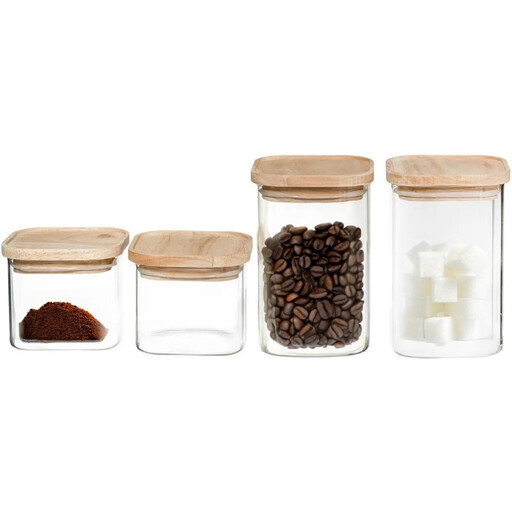
Why This Fits Their Persona: Ideal for those seeking a uniform and functional solution for storing staples like rice, pasta, or flour. The set instantly creates an organised look in the pantry.
The use of borosilicate glass minimises the risk of breakage from thermal shock or impacts. The Hevea wood lids are dimensionally stable and less prone to warping.
A uniform 4-piece set with a practical 1-litre capacity. According to the manufacturer, the glass containers are dishwasher-safe (lids excluded).
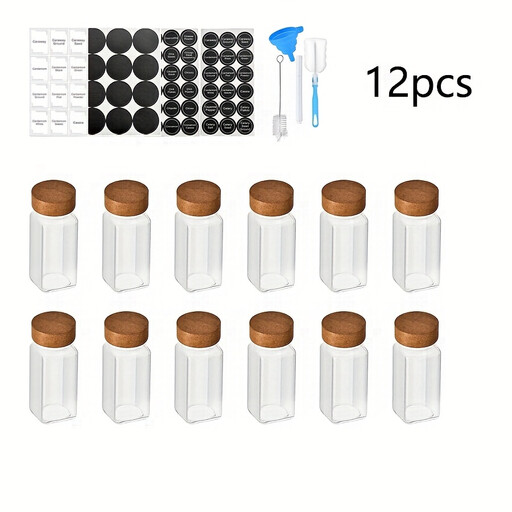
Why This Fits Their Persona: Perfect for anyone who wants to organise their spice collection uniformly and keep it within easy reach. This set offers a complete solution for a tidy and stylish spice drawer or shelf.
The lids are made from acacia wood, which is known for its durability and low tendency to warp. As a dedicated wooden spice jar set, the design is tailored to its purpose.
A comprehensive 12-piece set for instant, uniform organisation. The compact size is ideal for spices.
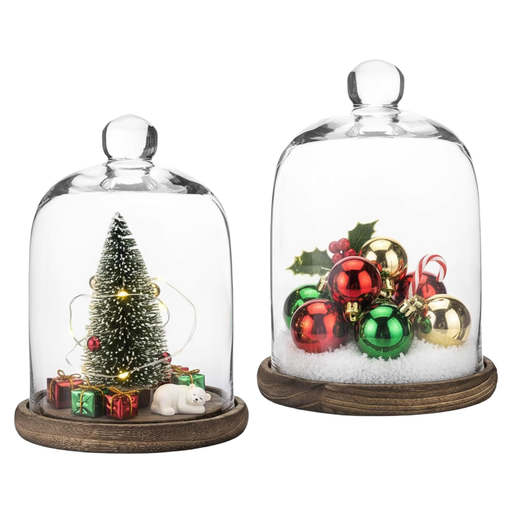
Why This Fits Their Persona: For those who prioritise presentation. This glass cloche with a wooden base is intended less for storage and more for stylishly displaying baked goods, cheese, or decorative items.
Since the focus is on presentation, airtightness is not a primary criterion. The product relies on a solid wood base that ensures stability and a high-quality look, avoiding the trap of cheap materials.
Elegant design for decorative purposes. The removable glass dome with a handle allows for easy arrangement of the displayed items. The set of 2 is suitable for symmetrical decorations.
We have compiled a complete, up-to-date list of products that fully meet these strict selection criteria and rigorous safety standards.
In most cases, the glass container is dishwasher-safe, especially if it is made of borosilicate glass. However, the wooden lids should always be cleaned by hand. The moisture and high temperatures in a dishwasher can cause the wood to swell, warp, or crack, significantly shortening the lid's lifespan.
To keep the wooden lids supple and protect them from cracking, you can occasionally treat them with a food-safe oil (e.g., linseed oil or a special wood conditioning oil). Apply a thin layer, let it absorb briefly, and then wipe off any excess oil with a clean cloth. Avoid soaking the lids in water for extended periods.
A good indicator is a visible and palpably thick silicone gasket inside the lid. When closing the jar, you should feel a slight resistance, which indicates that the seal is creating a vacuum. A simple test: fill the jar with a little water, seal it tightly, and carefully turn it upside down. If no water leaks out, the seal is generally airtight.