
当日/次日达

品质保障

开启新人专享福利: 全场免邮 | 低至 2 折 | 免费试用 30 天 JoyPlus 会员
下载 Joybuy
Healthy bars are seen as a convenient solution for hunger between meals, but the market can be overwhelming. Many products marketed as nutritious turn out, on closer inspection, to be candy bars in disguise, packed with hidden sugars and empty calories. This guide will help you recognise the typical marketing traps and make an informed choice that fits your lifestyle.
Before you buy, you should be aware of the most common misleading claims that often lurk behind appealing packaging.
To avoid falling into these traps, focus on three objective criteria that you can check directly on the packaging.
A long list of unintelligible, chemical-sounding terms is usually a red flag. Look for products with ingredients you recognise, such as nuts, seeds, oats, or dried fruit. The order is crucial: the ingredient listed first is the most abundant. If sugar or a type of syrup is at the top, it's primarily a sweet treat.
Analyse the nutrition table per 100 grams to compare products fairly.
Not every bar is suitable for every purpose.
Here are some product recommendations tailored to different profiles, all of which meet the criteria mentioned above.
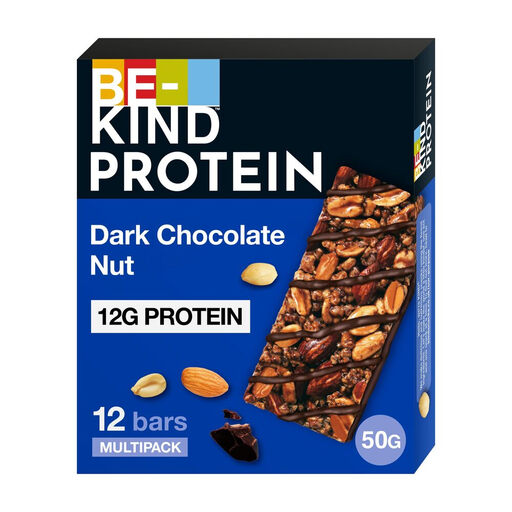
Why it's a good fit: Ideal for those needing a protein boost after a workout. The main ingredient is peanuts, providing a solid base for the 11.5 g of protein per bar.
This bar avoids the "protein bluff" by delivering a significant 23 g of protein per 100 g and using nuts as its main ingredient instead of syrup.
High protein content from primarily nut-based sources and is gluten-free.

Why it's a good fit: For anyone looking for a guilt-free snack. This bar is explicitly free from added sugar, is gluten-free, and still delivers 10 g of protein and 15.5 g of fibre per 50 g bar.
It directly addresses the sugar trap by using the sweetener Maltitol and contains only 4.3 g of sugar per 100 g. It also debunks the myth that "gluten-free" has to mean low in nutrients.
Very high fibre content (31 g/100 g), no added sugar, and a Nutri-Score of "A".
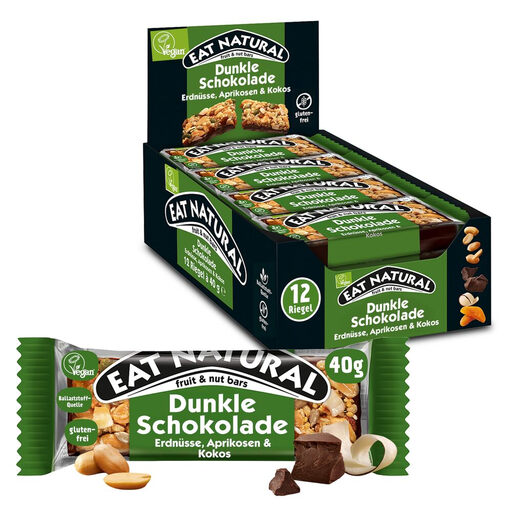
Why it's a good fit: This bar is a great choice for vegans and anyone who prefers a short ingredient list with whole-food components like peanuts, coconut, and dark chocolate.
It avoids the "free-from" trap because, despite being vegan and gluten-free, it forgoes artificial additives and offers a solid nutritional base of nuts and seeds.
Purely plant-based ingredients, free from artificial colours, flavours, or preservatives.
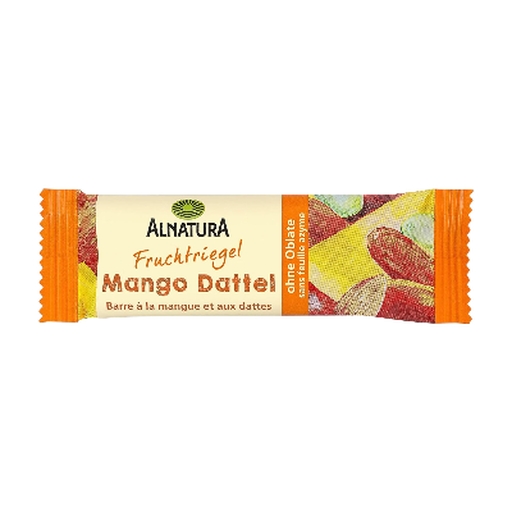
Why it's a good fit: A simple, fruity source of energy for when you're on the move. The ingredient list is short and consists mainly of organic dates and mango.
This fruit bar is transparent about its sugar content—it comes directly from the fruit. It avoids the trap of hidden syrups and relies on natural sweetness.
Ingredients from organic farming and a very simple, understandable recipe.
We've compiled a complete, up-to-date list of products that fully meet these strict selection criteria.
Read the ingredient list carefully. Look for terms ending in "-ose" (e.g., glucose, fructose, sucrose), as well as syrup (corn syrup, rice syrup), honey, agave nectar, date paste, or fruit juice concentrates. If these terms appear high up on the list, the sugar content is high.
No, protein bars can be a useful addition for non-athletes as well. They work well as a filling snack to prevent cravings or to bridge the gap between meals when there's no time to cook. The key is to choose a product with a balanced nutritional profile and without excessive sugar.
An energy bar is primarily designed to provide quick energy through carbohydrates. It's often consumed before or during physical exertion. A protein bar focuses on a high protein content to support muscle recovery after exercise or to provide long-lasting satiety. Its carbohydrate content is typically lower than that of an energy bar.