
Lieferung heute & morgen

Qualitätsgarantie

Willkommens-Angebote freischalten: KOSTENLOSE Lieferung | Bis zu 80 % RABATT | Kostenlose 30-Tage-JoyPlus-Testphase
App herunterladen
A mug of hot coffee without a coffee machine, filter or measuring spoon: instant coffee sticks are conveniently portioned for the office, studying, travelling and a quick coffee at home. The selection ranges from classic café au lait powder and instant latte macchiato to cappuccino sticks and flavoured varieties from Japan and South Korea.
However, product names are not always as clear as they might seem. If you choose based solely on flavour or packaging design, it is easy to overlook sugar, sweeteners, allergens or the actual preparation quantity. Our buying guide explains what matters when choosing coffee portions.
A reduced-sugar coffee may still contain sweeteners. According to the product details, AGF Blendy Stick Espresso au Lait Less Sugar contains 2% sugar; aspartame and acesulfame K are also used. This is different from unsweetened coffee.
If you want to control the sweetness yourself, look specifically in the ingredients list for terms such as sugar, glucose syrup, erythritol or sweeteners. Milk sugar can also contribute to the total sugar content in a product with no added sugar.
3-in-1 coffee and instant coffee mixes generally consist of soluble coffee, sugar and a creamer. This may contain skimmed milk powder, whey powder, sodium caseinate or vegetable fats. The coffee content is therefore not automatically high just because the drink has a strong flavour.
For a direct comparison, coffee content, serving weight and nutritional values per 100 g are more useful than terms such as “rich” or “café quality”.
A stick is prepared with hot water. A chilled coffee drink from a pouch or PET bottle, on the other hand, is already mixed and may need to be chilled, depending on the product. A ready-to-drink macchiato may be more practical at a desk without a kettle, while dry coffee portions take up less space in an office drawer and can be stored unrefrigerated for longer.
The ingredients list is arranged in descending order by weight. For café au lait powder, details such as 10% or 11% soluble coffee provide a general indication of the recipe. You should also check for milk ingredients and soya. Several AGF Blendy Stick products contain milk and soya; the packaging remains the definitive source for checking this information.
For aspartame, the statement that the product contains a source of phenylalanine is relevant. People with phenylketonuria should not use such products. This is a legally required label and is not a statement about any general effect of the drink.
A stick is not necessarily designed for the same volume of water as another product. Depending on the product, 150 ml, 180 ml or another quantity may be recommended. More water makes the drink milder, while less water makes it more concentrated. For a fair price comparison, you should therefore consider not only the pack size, but also the number of servings and recommended amount of water.
Dry sticks are normally stored at room temperature in a cool, dry place. Once opened, the outer packaging should be securely resealed. Ready-to-drink iced coffee follows different rules: before opening, follow the storage instructions provided by the manufacturer; after opening, the drink should be refrigerated and consumed promptly.
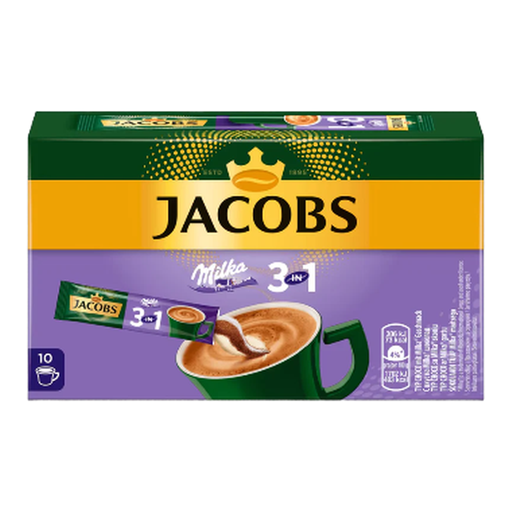
Why this product suits the profile: The combination of soluble coffee, milk and Milka chocolate flavour appeals to shoppers looking for a straightforward, sweeter cup without any additional ingredients.
The number of portions is clearly stated. For precise sugar and nutritional information, check the current packaging before buying.
10 individually portioned sticks; prepare with hot water, with no additional milk or sugar required.
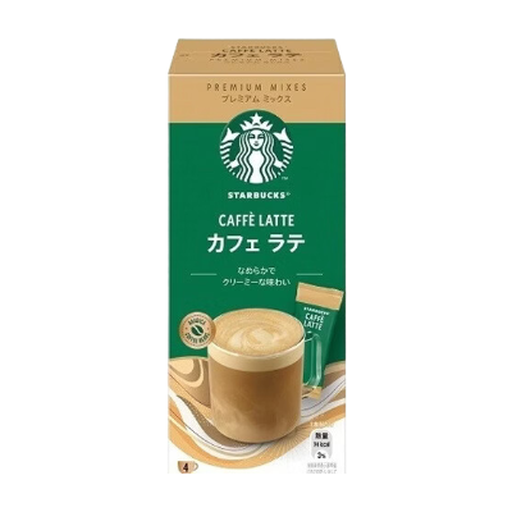
Why this product suits the profile: The recipe explicitly lists skimmed milk powder, creamer and coffee, and is designed to make a creamy latte.
The ingredients and allergens are listed clearly. Milk ingredients and sugar should be taken into account when making your personal choice.
Japanese product; according to the product details, suitable for preparation both hot and chilled.
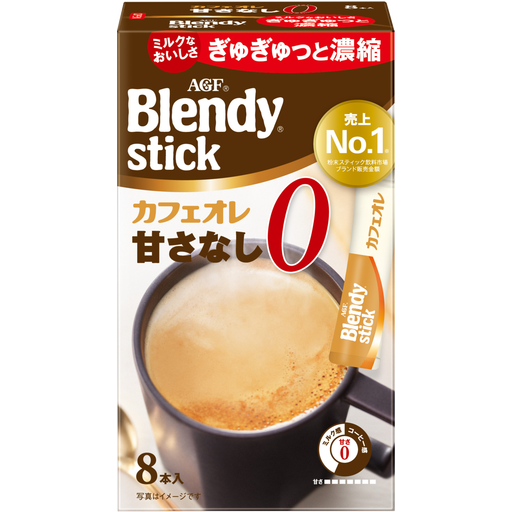
Why this product suits the profile: According to the product details, the blend contains no added sugar or artificial sweeteners. This allows you to add sugar to taste or leave it out altogether.
The “Unsweetened” description is supported by the ingredients list. Naturally occurring milk ingredients are nevertheless present.
8 portions; 10% instant coffee according to the product details; suitable for anyone who wants to control the level of sweetness themselves.
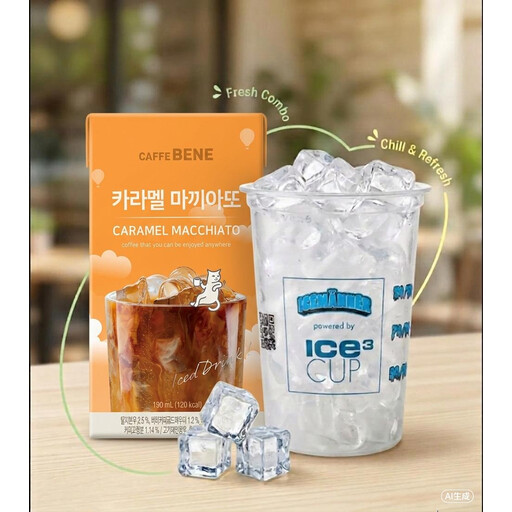
Why this product suits the profile: This ready-to-drink coffee beverage from South Korea is designed for drinking on the go and can be served directly over ice.
This is not a powder, but 190 ml of ready-to-drink coffee. This avoids the false expectation of making a large cup from a stick.
Ready-to-drink 190-ml serving; caramel flavour; from South Korea according to the product details.
We have put together a complete, regularly updated list of products that fully meet these strict selection criteria and the safety regulations applicable in the EU.
For a fair comparison, always use the same cup volume. Prepare a stick according to the instructions on the pack by dissolving it in hot water, then assess the flavour, sweetness and creaminess. For iced coffee, the powder is often first dissolved in a smaller amount of hot water and then topped up with ice.
It is easy to calculate the ongoing cost:
Decaffeinated instant coffee should not be confused with “mild” coffee. If you want to avoid caffeine, look for an explicit description such as “decaffeinated” or “caffeine-free”. For caffeinated products, details of the caffeine content may vary depending on the packaging and recipe.
Empty the contents of a stick into a cup, add the amount of hot water recommended on the packaging and stir thoroughly. For products intended for iced coffee, the powder is usually first dissolved in a smaller amount of hot water and then poured over ice.
The best-before date is printed on the packaging. Unopened dry sticks should be stored in a dry, cool place away from direct sunlight; the same applies after opening. Ready-to-drink products generally need to be refrigerated after opening and should be consumed promptly.
No. There are sweetened 3-in-1 blends, reduced-sugar varieties and products with no added sugar. The decisive information is in the ingredients list and nutrition table, not just in the description café au lait, latte macchiato or cappuccino.