
Lieferung heute & morgen

Qualitätsgarantie

Willkommens-Angebote freischalten: KOSTENLOSE Lieferung | Bis zu 80 % RABATT | Kostenlose 30-Tage-JoyPlus-Testphase
App herunterladen
A serving tray is far more than just a practical tool for carrying dishes. It's a versatile home accessory that can act as a decorative tray to organise your coffee table, impress guests as a stylish serving set, or provide the perfect base for a cosy breakfast in bed. However, the vast selection of materials, shapes, and designs can make the decision difficult. Often, small, inconspicuous flaws can turn what seems like a great deal into a purchase you'll regret.
This guide will walk you through the three most common pitfalls when buying a serving tray and what to look for to find a functional, durable product that perfectly suits your needs.
Before you make a decision, you should be aware of the typical weaknesses that often only become apparent with everyday use.
To avoid these mistakes, focus on three fundamental parameters that determine a tray's quality and longevity.
The material affects not only the appearance but also the stability, weight, and care requirements.
The dimensions and shape should align with your primary use case.
Sturdy and well-shaped handles are essential for safe transport. A tray with handles that are firmly attached to the body offers significantly more security than models with small, impractical grip cutouts. A rim of at least 2-3 cm in height prevents glasses or dishes from sliding off the tray while being carried.
Here are some recommendations tailored to different user profiles that specifically avoid the pitfalls mentioned.
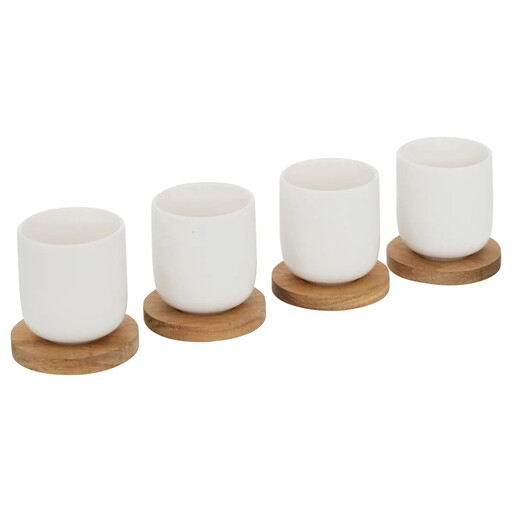
Why This Fits Their Persona: Ideal for those who love to serve coffee or small desserts in style. This set combines elegant porcelain cups with a warm acacia wood tray, functioning as a complete serving set for guests.
It bypasses the pitfall of unsuitable materials by using durable porcelain and solid acacia wood, rather than relying on a simple wood-look finish. The design is focused on a clear function.
Complete set for four people; the combination of porcelain and wood offers an appealing material contrast.
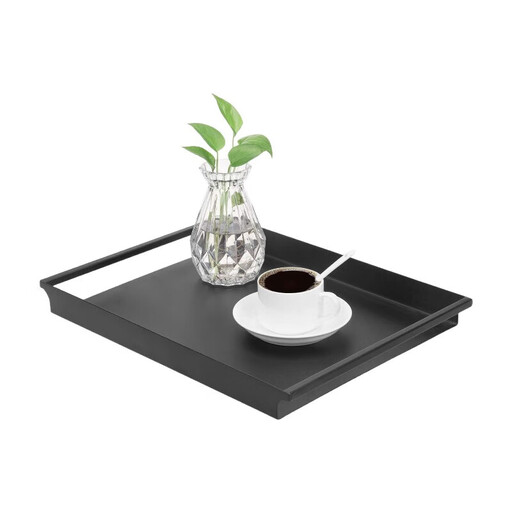
Why This Fits Their Persona: Perfect for daily use as a coffee table tray or for serving drinks. The sturdy metal and simple design make it a durable and versatile household companion.
This metal tray avoids the pitfall of impractical design. The integrated, rounded handles allow for secure transport, and the raised rim prevents items from sliding off.
Durable metal construction with a matte finish that is less prone to fingerprints; comfortable and secure handling thanks to the handles.
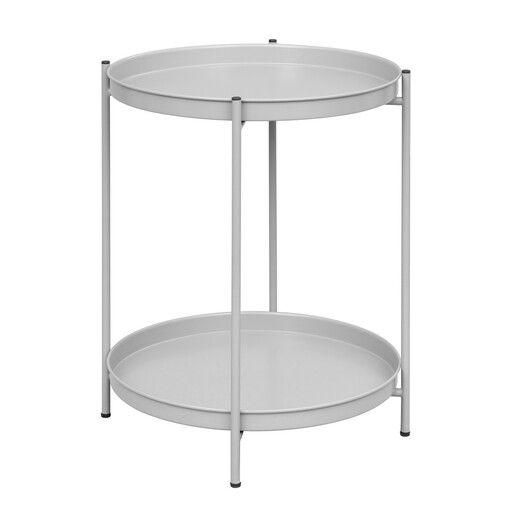
Why This Fits Their Persona: For anyone looking for flexible, space-saving solutions. This product is a tray table that combines a side table and serving function in one. The two trays can be individually removed and used.
This model solves the problem of impractical design by offering maximum flexibility. Instead of one rigid tray, you get two removable units with raised rims on a sturdy metal frame.
Combination of a furniture piece and two serving trays; height-adjustable feet for stability on uneven floors; supports up to 20 kg.
We have compiled a comprehensive, up-to-date list of products that fully meet these strict selection criteria and applicable regulations.
1. How do you clean a wooden tray correctly? A wooden tray should never be cleaned in the dishwasher or fully submerged in water. Instead, wipe it with a slightly damp cloth and dry it immediately. To protect the wood and maintain its colour, you can occasionally treat it with a food-safe mineral or wood conditioning oil.
2. Is a bamboo tray better than a wooden tray? Neither is universally "better"; they have different properties. A bamboo tray is often lighter, highly resistant to moisture, and comes from a rapidly renewable resource. A solid wooden tray offers a classic, warm aesthetic and is extremely durable with proper care. The choice depends on your personal style and intended use.
3. What size should a decorative tray for a coffee table be? A good guideline is that the decorative tray should not take up more than half to two-thirds of the table's surface. This leaves enough space for other items and prevents the table from looking cluttered. A round tray on a rectangular table (or vice versa) can create an interesting visual contrast and soften the arrangement.