
Lieferung heute & morgen

Qualitätsgarantie

Willkommens-Angebote freischalten: KOSTENLOSE Lieferung | Bis zu 80 % RABATT | Kostenlose 30-Tage-JoyPlus-Testphase
App herunterladen
Korean cuisine is captivating food lovers worldwide, inspiring more and more home cooks to recreate dishes like Bibimbap, Tteokbokki, or Jjajangmyeon. However, shopping for the necessary pastes can be a challenge: the selection is vast, the labels are often unfamiliar, and the differences are unclear. The wrong purchase can quickly lead to a disappointing culinary result that has little in common with authentic flavour.
As your Joybuy Product Recommendation Officer, I'm here to help you navigate the common pitfalls. Shoppers often buy products that are unsuitable for their intended dish, misjudge the spice level, or choose a paste that lacks depth due to shortened production methods. This guide will show you what to look for to find the perfect Korean paste for your kitchen.
To avoid disappointment and experience the full flavour of Korean cuisine, you should consider three key aspects: the paste type, the ingredients, and the specific flavour profile.
The four cornerstones of Korean seasoning pastes have very different flavour profiles and applications. Choosing the wrong paste is the most common reason for a failed dish.
The quality of a Korean paste depends significantly on its ingredients and the fermentation process. A look at the ingredients list reveals a lot about the expected flavour profile.
Even within a single category like Gochujang, there are significant differences. While some products feature intense heat, others focus on a balanced sweetness. Brands like Sempio and Bibigo often offer different versions with slightly varying flavour profiles. Pay attention to the order of ingredients: if red pepper powder is listed near the top, a higher spice level is likely. If corn syrup or sugar is listed first, the paste will tend to be milder and sweeter.
Based on the criteria above, we have curated a selection of products suitable for different user profiles.
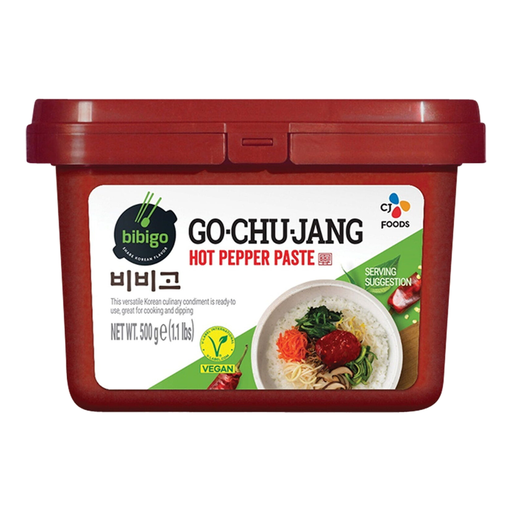
Why This Fits Their Persona: This Gochujang from Bibigo offers a very well-balanced flavour profile. It's spicy but not overpowering and has a pleasant sweetness, making it an ideal all-rounder for beginners looking to try various Korean dishes.
It prevents the classic mistake of buying a paste that is too spicy or too specialised. Its versatility ensures the product won't sit unused in the refrigerator.
Balanced blend of spice and sweetness; versatile for marinades, sauces, and stews.
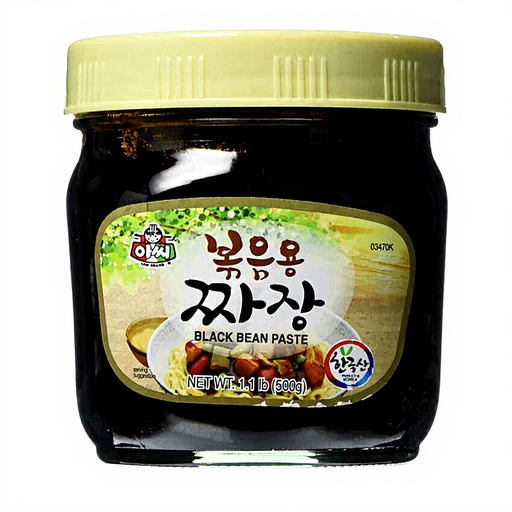
Why This Fits Their Persona: Anyone who wants to prepare the authentic noodle dish Jajangmyeon absolutely needs Chunjang. This paste from ASSI delivers the exact deep, earthy, and slightly sweet umami profile required for the characteristic black sauce.
Ensures you are using the correct black bean paste and not mistakenly reaching for a different dark soybean paste, which would completely alter the dish's flavour.
Authentic base for Jajangmyeon and Jjajangbap; intense, savoury-sweet aroma.
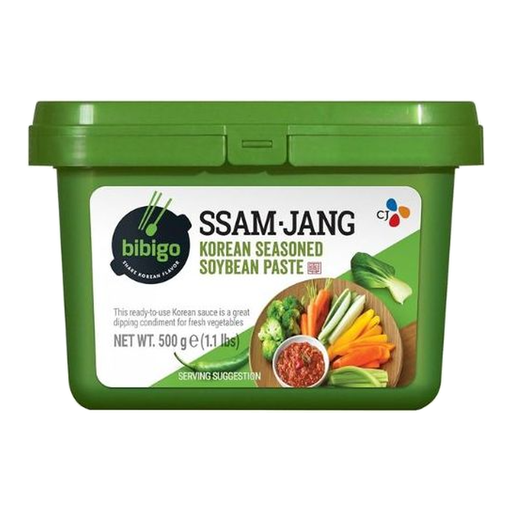
Why This Fits Their Persona: This Ssamjang is a ready-to-use seasoning sauce that pairs perfectly with grilled meats, fresh vegetables, and classic Korean wraps (Ssam). It combines the savoury depth of Doenjang with the spicy sweetness of Gochujang.
It saves you from buying and tediously mixing Doenjang and Gochujang separately. You get a perfectly balanced, ready-to-use dipping paste that guarantees great results.
Ready-to-use blend; combines savoury Doenjang and spicy Gochujang.
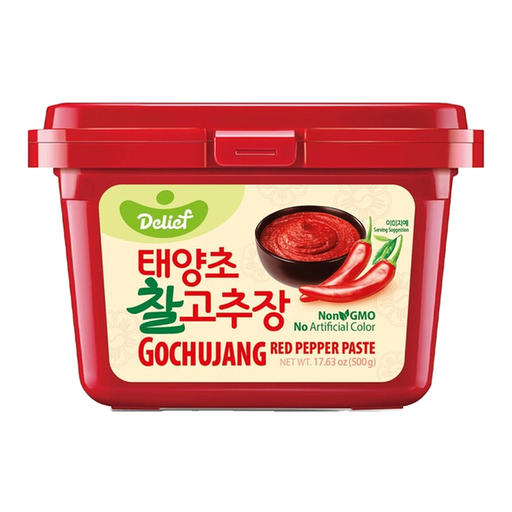
Why This Fits Their Persona: For consumers who follow a Halal diet, finding certified products can often be difficult. This Halal Gochujang from Delief offers the authentic taste of a traditional chilli paste while meeting specific dietary requirements.
It solves the problem of finding a suitable and officially certified paste. There's no need to compromise on flavour or spend time searching for alternatives.
Officially Halal-certified; balanced, versatile flavour for numerous Korean dishes.
We have compiled a complete, up-to-date list of products that fully meet these strict selection criteria and all relevant regulations.
After opening, fermented pastes like Gochujang, Doenjang, and Ssamjang should always be stored tightly sealed in the refrigerator. This way, they generally last for several months up to a year. It is advisable to always use a clean utensil to avoid cross-contamination. Always check the manufacturer's instructions on the packaging.
The main difference lies in their composition and use. Gochujang is a pure Korean chilli paste and serves as a spicy-sweet seasoning base for cooking. Ssamjang is a mixed paste made primarily from Doenjang (soybean paste) and Gochujang. It is milder, more complex in flavour, and is mainly used as a ready-made dip for grilled foods and wraps.
Although both are fermented soybean pastes, a substitution is not ideal. Doenjang has a much stronger, saltier, and earthier flavour profile than most Japanese miso varieties, which are often milder and sweeter. For the authentic taste of a Korean stew (Doenjang-jjigae), using Doenjang is by far the better choice.