
Lieferung heute & morgen

Qualitätsgarantie

Willkommens-Angebote freischalten: KOSTENLOSE Lieferung | Bis zu 80 % RABATT | Kostenlose 30-Tage-JoyPlus-Testphase
App herunterladen
LocknLock food storage containers are a popular choice for the fridge, freezer and kitchen cupboards. Families, meal-preppers and keen cooks tend to look for the same things: a secure seal, a space-saving stackable design and easy cleaning.
However, it’s easy to spend more than you need to if you don’t read the product details carefully. As a Joybuy Product Recommendation Officer, I’ve highlighted the key features to consider for different everyday situations.
Many food containers are only suitable for microwave use with the catches open or the lid removed. With glass containers, you’ll usually need to take the lid off completely. Plastic lids can warp in the heat or cause pressure to build up inside the container.
Check the exact wording:
A food storage container with a generous capacity can be awkward to store if its footprint doesn’t fit your shelves. For dry foods such as flour, rice or pet food, height is often more important than extra width. For leftovers and meal prep, shallow rectangular containers are often a better choice.
A lid with a silicone seal can keep liquids contained more securely than a simple push-on lid. Even so, the catches, seal and rim of the container should be clean and undamaged. Small cracks or a seal that has slipped out of place can affect how well it works.
BPA-free polypropylene (PP) food storage containers are generally lightweight and well suited to the fridge, freezer and taking food on the go. They’re a practical choice for families and everyday use when keeping weight to a minimum matters.
Glass food storage containers are heavier, but make it easy to see what’s inside. Depending on the model, they may also be suitable for use in the oven or air fryer. Remove the lid before heating LocknLock glass containers. Avoid exposing them to sudden temperature changes, too, as thermal shock can damage the glass.
Choose a container to suit what you’ll use it for:
Stackable food storage containers should ideally have similar footprints. This makes them easier to organise neatly in the fridge or kitchen cupboard.
Dishwasher-safe food containers are convenient for everyday use, but not every part can go in the same place. For several models, the top rack is recommended. Remove silicone seals regularly and wash them separately.
Also check that the container is approved for the way you plan to use it:
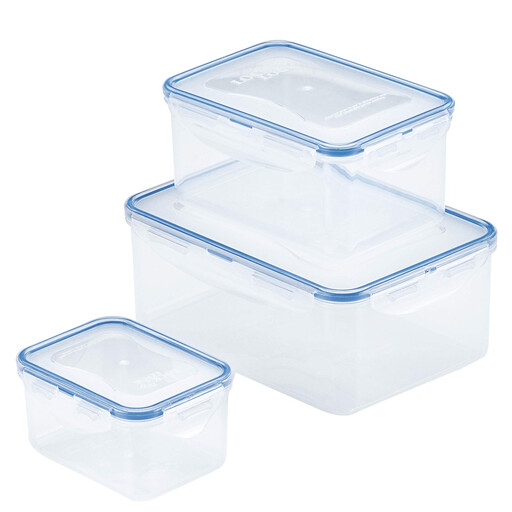
Why this product suits this profile: Three sizes—470 ml, 1.1 l and 2.3 l—cover everyday portions, side dishes and larger leftovers. The set is a good choice for households looking for several food storage containers.
The sizes are clearly specified. For microwave use, open the catches and loosen the lid; this container is not intended for oven use.
BPA-free PP, four-sided locking system, silicone seal, and suitable for the freezer and the top rack of the dishwasher.
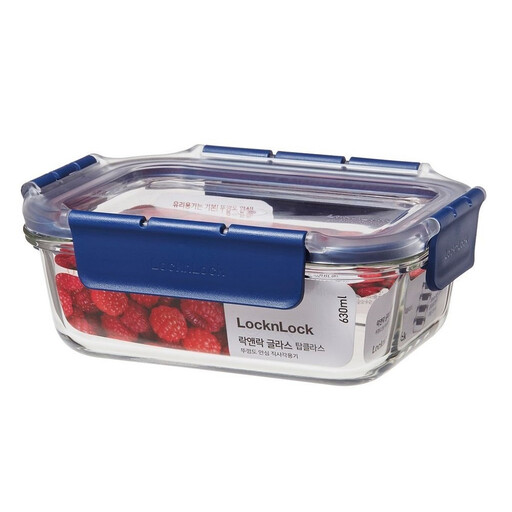
Why this product suits this profile: This glass container is ideal if you want one container for storing and reheating food, as well as for certain oven uses.
The temperature limits are clearly stated: up to 400 °C without the lid in an oven or air fryer, and down to -20 °C in the freezer. Do not heat the lid.
Heat-resistant glass container, removable clip, four-sided locking system and dishwasher-safe components.
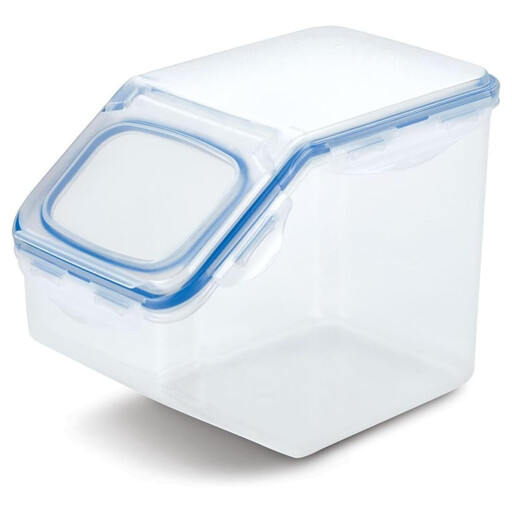
Why this product suits this profile: This transparent container is designed for larger quantities of dry goods such as muesli, flour, sugar, rice, pasta or pet food.
The product details specifically state that the caddy is not microwave-safe. Make sure dry goods have cooled completely and are dry before putting them inside.
5-litre capacity, transparent design, flip-top lid with safety catches, and suitable for cleaning on the top rack of the dishwasher.
We’ve put together a complete, regularly updated list of products that meet these strict selection criteria and the safety requirements in force across the EU.
Models with a four-sided locking system and silicone seal are described in the product details as airtight or leak-proof. For them to work as intended, the seal must be fitted correctly, the lid fully closed, and the container and catches undamaged.
Depending on the model, plastic food storage containers may be suitable for microwave use, but usually only with the lid loosened or the catches open. Depending on the design, glass food storage containers can be used in the microwave without the lid. Check the specific product description before each use.
There’s no single answer, as lifespan depends on how often you use and clean the container, temperature changes and how well you care for the seal. Replace a container if it develops cracks, becomes warped, has damaged catches or has a seal that remains leaky.