
Lieferung heute & morgen

Qualitätsgarantie

Willkommens-Angebote freischalten: KOSTENLOSE Lieferung | Bis zu 80 % RABATT | Kostenlose 30-Tage-JoyPlus-Testphase
App herunterladen
By Joybuy Product Recommendation Officer, August 29, 2026
A good mango drink promises a tropical escape in a glass. However, the search for the right product can quickly become overwhelming. Between terms like juice, nectar, and fruit drink, and a wide variety of Asian specialities, it's easy to make a choice that doesn't meet your expectations. This guide will help you identify the crucial quality indicators and avoid the most common purchasing pitfalls.
Many consumers are guided by the packaging, but the most important information is often in the fine print. Pay attention to these three points to make an informed decision.
To make the right choice, a quick look at the label is all it takes. Focus on these three decisive criteria.
A product's designation is legally tied to its fruit content. This distinction is the most important indicator of quality and taste.
A glance at the ingredients list reveals more than any marketing message. Look for mango purée or mango pulp near the top of the list. If water and sugar are listed first, followed by "flavouring," the authentic fruit taste is likely minimal. Products that avoid added flavours and derive their taste solely from a high purée content generally offer a more well-rounded and natural experience.
If you're looking for an experience beyond just drinking, beverages with add-ins are an interesting choice.
If you prefer a smooth consistency, make sure these add-ins are not on the ingredients list.
Here are some recommendations tailored to different needs and preferences.
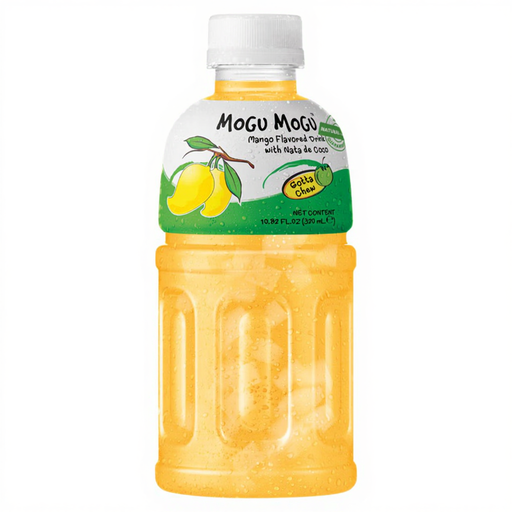
Why This Fits Their Persona: Ideal for anyone seeking an Asian-style mango drink with a special twist. The combination of refreshing mango flavour and chewy nata de coco pieces offers an interactive drinking experience reminiscent of bubble tea.
The product sidesteps the "texture trap" by prominently advertising the nata de coco (25% content) as its main feature. You know exactly what you're getting: a drink you can chew.
Combines a beverage and a snack experience; high nata de coco content for a distinct texture.
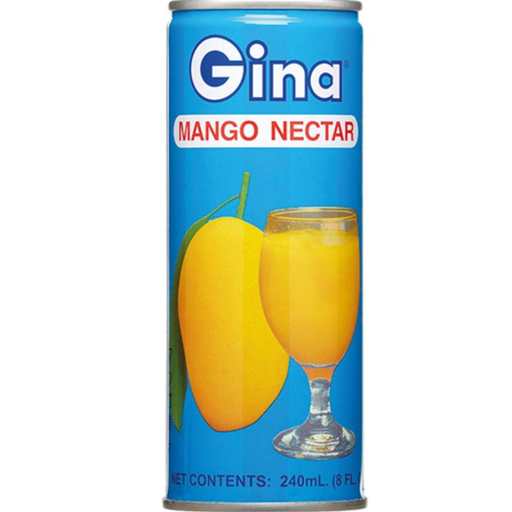
Why This Fits Their Persona: Perfect for consumers seeking the most authentic and intense mango flavour possible. The thick, nectar-like consistency provides a sense of pure fruit indulgence.
This drink avoids the "fruit content trap" with a declared mango purée content of 35%. This value is significantly above the legal minimum for nectar and promises an intense flavour experience.
Very high fruit purée content for a full-bodied taste; thick, velvety consistency.
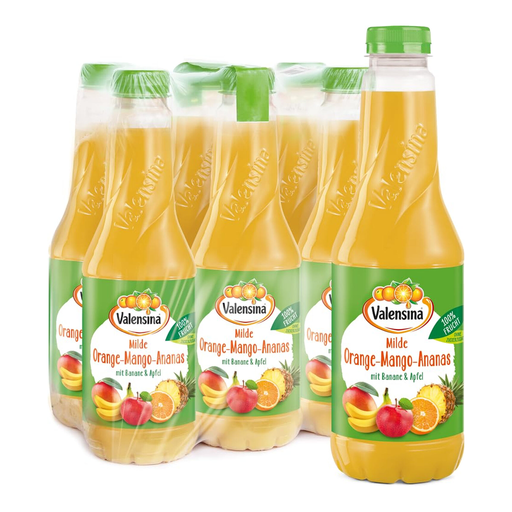
Why This Fits Their Persona: An excellent choice for the family pantry. The mild blend of orange, mango, and pineapple is less intense than pure mango juice, appealing to a broader palate. The 6x1L pack is convenient and economical.
As a fruit juice, this product is made from 100% juice (from fruit juice concentrates). It contains no added sugar, only the sugar naturally present in the fruits. This avoids the trap of sugary fruit juice drinks.
100% juice content with no added sugar; a mild, balanced fruit blend in a convenient bulk pack.
If you're searching for more mango drinks covering different fruit contents and flavour profiles, we've put together a comprehensive selection for you.
1. What is the difference between mango juice, mango nectar, and a mango fruit drink? The main difference lies in the legally required fruit content. Mango juice must contain 100% fruit. Mango nectar must have at least 25% fruit content and may contain water and sugar. A mango fruit drink has the lowest fruit content and consists mainly of water, sugar, and flavourings.
2. What is nata de coco in a mango drink? Nata de coco are chewy, translucent jelly cubes made from the fermentation of coconut water. They have a slightly sweet taste and a pleasant, firm consistency that adds an extra textural experience to beverages.
3. What is the best way to store a mango drink? Unopened mango drinks in cartons or cans should be stored in a cool, dry place away from direct sunlight. After opening, they must be kept in the refrigerator and typically consumed within three to five days to ensure freshness and quality. Always follow the instructions on the packaging.