
Lieferung heute & morgen

Qualitätsgarantie

Willkommens-Angebote freischalten: KOSTENLOSE Lieferung | Bis zu 80 % RABATT | Kostenlose 30-Tage-JoyPlus-Testphase
App herunterladen
Dark spots, blackheads, shiny skin and enlarged pores often appear together. A Korean skincare routine can address several concerns at once, but choosing products based solely on terms like "Brightening", "Resurfacing" or "Pore Care" isn't enough. What really matters are the active ingredients, how often you use them, and how well your whole routine agrees with your skin.
Kojic Acid, Glycolic Acid, Salicylic Acid, Azelaic Acid, Niacinamide and Vitamin C are often promoted for uneven skin tone or blemishes. However, using them all at once isn't automatically a good idea. Combining several acid-based products, a Vitamin C product and a potent serum can unnecessarily irritate your skin.
For sensitive or redness-prone skin, it's wise to build up gradually. Start with one active product and observe how your skin reacts before adding another ingredient.
Cosmetic skincare can help improve the appearance of uneven skin. But you cannot assume that a product will completely or permanently remove pigmentation based on its claims alone. The cause of a spot is also important when choosing a product. If you notice any conspicuous, changing or new marks on your skin, you should have them checked by a dermatologist.
Products containing AHAs like Glycolic Acid or other exfoliating ingredients can make your skin more sensitive to UV radiation. That's why a suitable sunscreen should be part of your daytime routine. Without this step, your efforts to treat dark spots may fall short of expectations.
Check the INCI list on the packaging. According to the product information, the Medicube Kojic Acid Turmeric Resurfacing Toner contains Niacinamide, Glycolic Acid, Kojic Acid, Turmeric Extract, seven forms of Hyaluronic Acid, Ceramide NP and Panthenol. This means the toner combines exfoliating, hydrating and barrier-supporting ingredients.
A Kojic Acid Toner or Turmeric Brightening Toner is better suited to those looking to care for uneven skin tone and a rough skin texture. For clogged pores and blemishes, a product with Salicylic Acid or Azelaic Acid may be more appropriate.
Not every product containing acids is equally suitable for daily use. According to the product description, the Medicube Kojic Acid Turmeric Pad contains Glycolic Acid and Salicylic Acid. The pads are swept across the face after cleansing and are not rinsed off. If you have sensitive skin, start by using them less frequently.
The Medicube Red Succinic Acid Clarifying Brightening Serum is described as containing 5% Niacinamide, 1% Succinic Acid and 0.2% Salicylic Acid. These details are far more helpful to shoppers than vague promises of "clear" or "perfect" skin.
A 250 ml toner is ideal for a regular routine and can be applied with your hands or a cotton pad. A 30 ml ampoule or 30 ml serum, on the other hand, is designed for more targeted use. Check the printed expiry date, the batch number and, where applicable, the PAO (Period After Opening) symbol. For Vitamin C products, storing them in a cool, dark place is particularly important.
The actual INCI list can vary from batch to batch. Always refer to the product packaging for the definitive list.
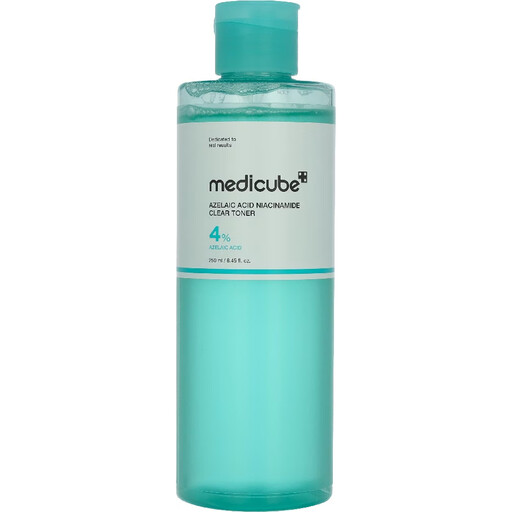
Why this product fits the profile: This 250 ml toner can be easily added to a morning or evening routine and, according to the product description, is aimed at blemish-prone, oily and combination skin.
The ingredient profile is clearly stated: Azelaic Acid, Niacinamide and Centella asiatica. This makes it easier to choose than a product that only makes vague "clarifying" claims.
250 ml size; contains Azelaic Acid, Niacinamide, Centella asiatica and ceramide components.
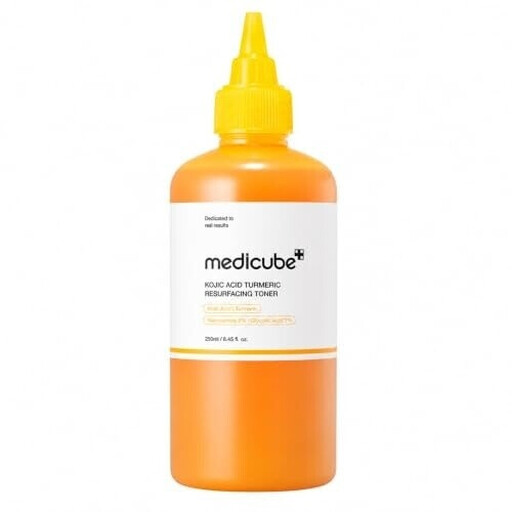
Why this product fits the profile: For those looking for a toner with several clearly identified skincare components and who want to build their routine in a structured way.
The product description lists both exfoliating and hydrating ingredients. This makes it easier to coordinate with a separate serum, rather than stacking ingredients without control.
250 ml size; contains Kojic Acid, Glycolic Acid, Niacinamide, Hyaluronic Acid, Ceramide NP and Panthenol.
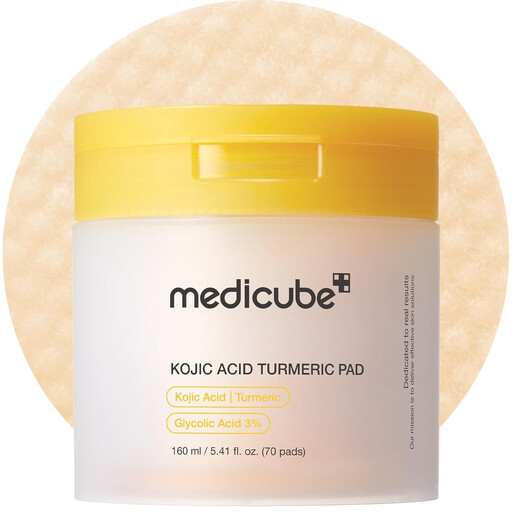
Why this product fits the profile: Pre-soaked pads are convenient for anyone who wants a quick application without needing an extra cotton pad.
The pack states the quantity of 70 pads, as well as Glycolic Acid, Salicylic Acid, Kojic Acid and Niacinamide. This makes both the usage rate and ingredient profile easier to assess before buying.
70 pads; easy to use; also contains Hyaluronic Acid, Panthenol and Vitamin E according to the product information.
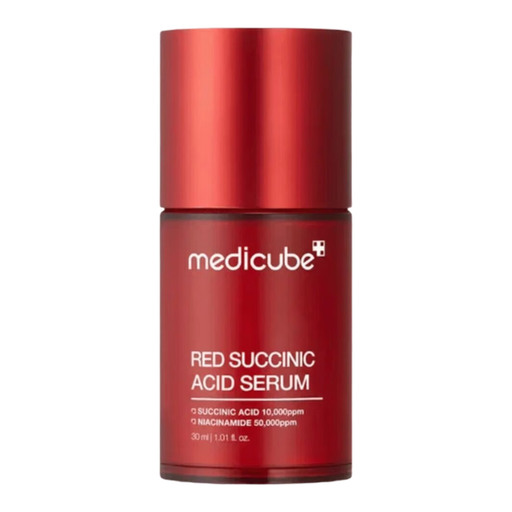
Why this product fits the profile: This 30 ml serum is designed as a targeted addition when you want to address not only uneven skin tone but also oily skin, blackheads or visible pores.
The stated concentrations of Niacinamide and Salicylic Acid make it easier to evaluate. This helps you avoid adding several similar acid-based products on top of each other.
30 ml; contains 5% Niacinamide, 1% Succinic Acid, 0.2% Salicylic Acid, Ceramide NP, Panthenol and Beta-Glucan according to the product description.
We've put together a full, regularly updated list of products that fully meet these strict selection criteria and the safety regulations in force in the EU.
A simple order of application could look like this:
If you experience stinging, persistent redness or itching, stop using the product. Doing a patch test on a small area of skin before your first full application can be a sensible precaution.
That depends on your individual tolerance. The Kojic Acid Turmeric Resurfacing Toner contains Glycolic Acid and Kojic Acid, making it a more active toner. If you'd prefer something less exfoliating to start with, you could consider the Azelaic Acid Niacinamide Clear Toner. Always check the INCI list before buying and again with each new batch.
In principle, combining them is possible, but the ingredient profiles need to work together. A toner with Glycolic Acid and a serum with Salicylic Acid can put more strain on your skin. For beginners, it's advisable to start by using just one active product regularly and then introduce the second one slowly.
That depends on how much you apply and how often you use it. With just a few drops per application, a 30 ml product can last several weeks. Pay attention to the closure, shelf life and storage conditions. For a Vitamin C ampoule, it's also important to minimise its exposure to heat, light and air.