
Lieferung heute & morgen

Qualitätsgarantie

Willkommens-Angebote freischalten: KOSTENLOSE Lieferung | Bis zu 80 % RABATT | Kostenlose 30-Tage-JoyPlus-Testphase
App herunterladen
Dark cabinets and drawers are a daily annoyance. You fumble in the dim light for the right spice, the matching shirt, or a specific tool, wishing for a simple solution. Motion-sensor cabinet lighting promises just that: automatic light, right when you need it. However, the market is flooded with products whose real-world performance often falls short of their promises.
Before you make a purchase, it's crucial to understand the common pitfalls that can lead to frustration and unnecessary expense.
This guide will show you which technical features truly matter, helping you find a functional and durable solution that meets your needs.
To make an informed decision, you should examine three core parameters. These largely determine the reliability and practical utility of your new lighting in everyday life.
The heart of any automatic light is its sensor. Most products use a Passive Infrared (PIR) sensor, which reacts to body heat combined with motion. Pay attention to the following specifications to ensure functionality:
A well-calibrated sensor cabinet light ensures that the light is only activated when it's truly needed.
Since most solutions are designed for tool-free installation, battery life is a critical factor.
Easy installation is one of the main reasons people buy these lights. A no-drill kitchen light or wardrobe light should offer a secure yet flexible mounting option.
These three parameters are the foundation for a cabinet light that works reliably in daily life and brings you long-term satisfaction.
Based on the criteria mentioned, we have identified several products suitable for different user profiles and requirements.

Why This Fits Their Persona: Ideal for users looking for a straightforward and functional solution for kitchen cabinets, drawers, or wardrobes. The 2-pack offers excellent value for money for outfitting multiple areas.
The light features an 800mAh battery, a solid capacity for this size. The adhesive strip mounting is designed for tool-free installation, and the three adjustable colour temperatures prevent you from buying a light with the wrong colour tone.
Three selectable colour temperatures (cool, neutral, and warm white) for different applications; PIR motion sensor with a range of 3-5 metres.
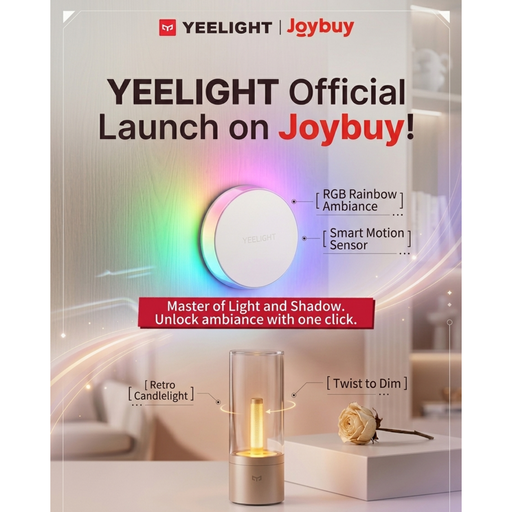
Why This Fits Their Persona: For users who value aesthetics and ambiance as much as pure function. Thanks to its motion sensor and magnetic mount, this mood light can also be used as a stylish wardrobe light or an orientation light in a hallway.
The magnetic base bypasses the problem of weak adhesive strips and allows for flexible positioning. The modern USB-C port ensures hassle-free charging and avoids the hunt for outdated charging cables.
Offers 11 preset RGB lighting effects for a custom atmosphere; rechargeable via USB-C and features a magnetic mount for versatile use cases.
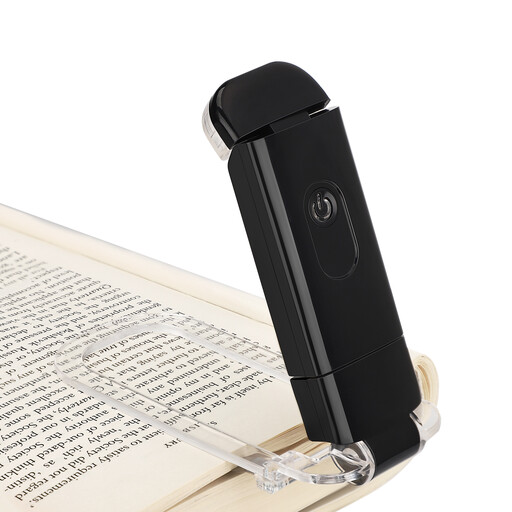
Why This Fits Their Persona: A solution for niche applications where targeted, manually controlled lighting is needed. Ideal for clipping onto a shelf in a deep pantry, a workbench, or in a walk-in closet where a motion sensor is not desired.
Instead of relying on a potentially unreliable adhesive strip, this model uses a sturdy clamp for a secure hold. It deliberately omits a motion sensor to focus on its core function: flexible, directional lighting.
Extremely flexible with 350° rotation and adjustable angles; USB-rechargeable and highly portable at only 37 grams; two brightness levels for customised light.
We've compiled a complete, up-to-date list of products that fully meet these strict selection criteria and comply with local safety regulations.
1. How long does the battery of an LED cabinet light last? The battery life heavily depends on the frequency of use, battery capacity (mAh), and the set brightness level. With average use of a few activations per day, a battery with a capacity of 800–1200 mAh can often last for several weeks to months. With continuous operation or very frequent activation, the runtime will be shorter.
2. Can I install an LED strip with a motion sensor myself? Yes, most of these products are designed for easy self-installation. They typically do not require drilling or complicated wiring. The most common method is mounting via a magnetic adhesive strip, which allows for installation in just a few minutes.
3. Does the motion sensor work through closed cabinet doors? No, Passive Infrared (PIR) sensors react to heat and motion. They cannot "see" through solid materials like wood, glass, or plastic. Therefore, the light is only activated when the cabinet door is opened and the sensor registers movement within its detection range. This is by design to prevent the light from turning on unnecessarily when the door is closed.