
Lieferung heute & morgen

Qualitätsgarantie

Willkommens-Angebote freischalten: KOSTENLOSE Lieferung | Bis zu 80 % RABATT | Kostenlose 30-Tage-JoyPlus-Testphase
App herunterladen
A niacinamide serum can be a great addition to a skincare routine for blemish-prone, oily or combination skin. However, just because the packaging says “Niacinamide”, “Glow” or “Pore Care” doesn’t automatically make it the right choice. What really matters are the actual concentration, the other ingredients, and whether the product fits into your existing routine.
As a Joybuy Product Recommendation Officer, I filter product information according to clear, traceable criteria. This isn’t about generic promises, but about providing practical guidance for your shopping in the UK.
A serum with 15 or 20 percent niacinamide may look more powerful at first glance than a serum with niacinamide at a lower concentration. However, a high concentration can be unsuitable for sensitive or already irritated skin. Redness, stinging or tightness are possible signs of intolerance.
For beginners, a lower concentration can be a wiser starting point. If you already have experience with active ingredient skincare, you can more accurately match the product details, frequency of use and your skin’s reaction.
Products for niacinamide pores usually refer to a more even-looking complexion or the visual reduction of visible pores. The genetic size of your pores cannot be permanently changed by a cosmetic product. For oily skin, a suitable cleanser and a lightweight moisturiser can help make excess shine less noticeable.
A niacinamide face product may also contain salicylic acid, AHA, retinol, vitamin C, tranexamic acid or fragrances. These combinations aren’t necessarily problematic, but they shouldn’t all be introduced at the same time into a new routine. If you already use exfoliants, retinol or other active products, you need to consider your entire routine.
The concentration should match your previous skincare experience. Some products clearly state the percentage, for example 5 percent, 10 percent, 15 percent or 20 percent. If niacinamide appears near the top of the INCI list, it is generally present in a relevant amount. However, without a manufacturer’s declaration, you cannot reliably determine the exact concentration from the order alone.
For niacinamide for blemish-prone skin or niacinamide for oily skin, the overall texture is also important. Gel-like, lightweight formulations can feel more pleasant than rich emulsions. Dry or tight skin, on the other hand, benefits more from glycerin, hyaluronic acid, panthenol or ceramides in the formula.
A serum is typically applied after cleansing and, if used, after toner. Two to three drops are often enough for the face; however, always follow the instructions on the packaging. Then follow with a moisturiser. New products should first be tested on a small area of skin and not combined directly with several other active ingredients.
Pay attention to the fill size, PAO symbol, batch number and a well-sealable container. Light- and heat-sensitive formulations should be stored according to the manufacturer’s instructions. If you experience stinging, redness or itching, stop using the product. If symptoms persist, seek dermatological advice.
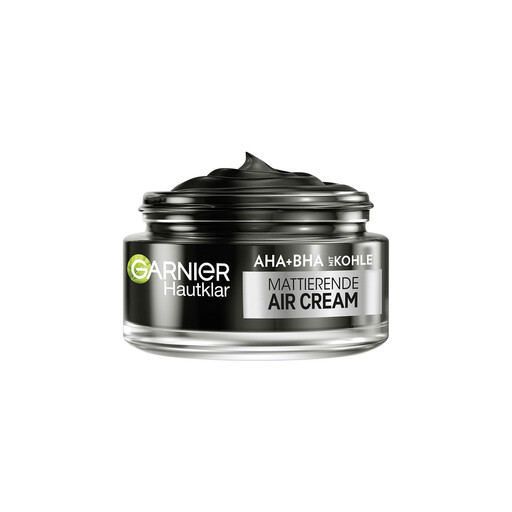
Why this product fits the profile: This lightweight gel cream combines niacinamide with salicylic acid and also contains glycerin. It is aimed at those looking for a combined facial care product with a mattifying texture, rather than a classic serum.
The product description clearly states the included acids and niacinamide. This makes it easier to distinguish the formula from a pure niacinamide serum.
50 ml content; gel texture; niacinamide, salicylic acid and glycerin in the ingredients list.
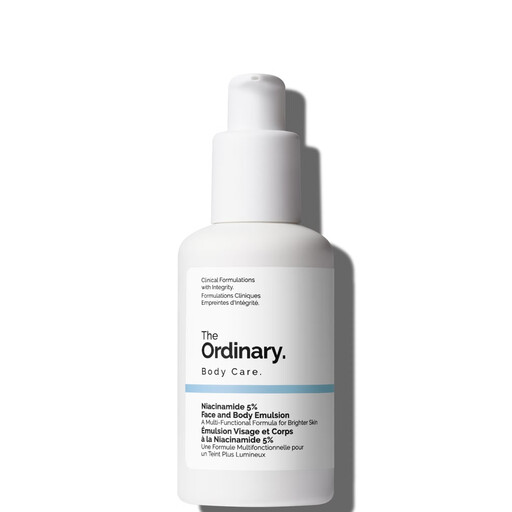
Why this product fits the profile: This emulsion is indicated for both face and body and offers a larger 100 ml fill size for regular use on multiple areas.
The 5 percent indication and the areas of use are clearly stated. This makes it easier to plan a restrained active ingredient routine.
5 percent niacinamide; 100 ml; indicated as a face and body emulsion.
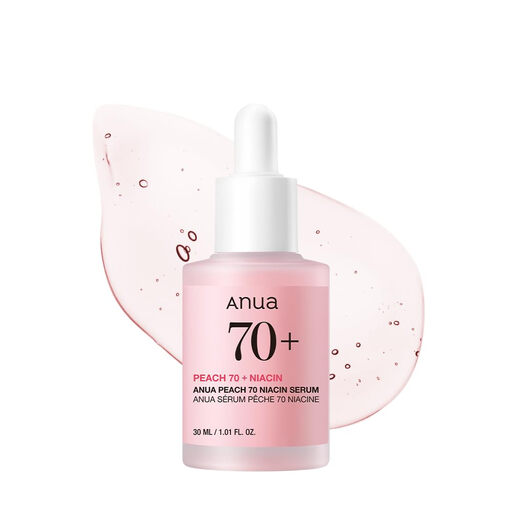
Why this product fits the profile: According to the product details, the formula combines 70 percent fermented peach extract with 5 percent niacinamide and several forms of hyaluronic acid.
The high percentage does not refer entirely to niacinamide. The separate mention of peach extract and 5 percent niacinamide prevents any misleading interpretation.
5 percent niacinamide; 30 ml; hyaluronic acid and fermented ingredients according to the INCI list.
We have compiled a complete, regularly updated list of products that fully meet these strict selection criteria and the safety regulations in force in the EU.
Pay attention to the combination of ingredients. A product with niacinamide may also contain salicylic acid or other acids. Start with a low frequency of use and do not combine several strong active ingredient products at the same time.
Many products are intended by the manufacturer for both morning and evening use. However, there is no fixed requirement. For sensitive skin, a single application in the evening may be sufficient to start with. During the day, if you are using a brightening face serum in your routine, you should apply a suitable sunscreen.
The PAO symbol, the best-before date and the instructions on the packaging are what matter. Close the product after every use and store it in a dry place, protected from direct heat and sunlight. If the smell, colour or consistency changes noticeably, the product should no longer be used.