
Lieferung heute & morgen

Qualitätsgarantie

Willkommens-Angebote freischalten: KOSTENLOSE Lieferung | Bis zu 80 % RABATT | Kostenlose 30-Tage-JoyPlus-Testphase
App herunterladen
As a Joybuy Product Recommendation Officer, I see every day how challenging selecting the right product can be. A no-drill roller blind promises a simple solution for privacy and sun protection, but not all models deliver on that promise. This guide will help you navigate the common pitfalls and make an informed decision for your windows.
Many buyers focus on colour and price, overlooking critical technical flaws that lead to frustration. Watch out for these three weaknesses to avoid a bad purchase:
To avoid these problems, you should check three core aspects before buying. These define the durability and functionality of your new roller blind.
The quality of the clamp brackets is non-negotiable. Look for models with adjustable brackets made from robust plastic or metal. The specified window sash thickness is crucial. Most systems are designed for uPVC windows with a frame thickness of 13 to 23 mm. Measure the thickness of your window sash (the movable part of the window) at the top edge to ensure the clamps will fit. A clamp-on roller blind that sits firmly and securely is the foundation for long-lasting performance.
Always measure the width of the glass pane before ordering. To minimise light gaps at the sides, the fabric should slightly overlap the pane on both sides. A proven rule of thumb is:
Order Width = Width of the glass pane + approx. 4 cm
Pay attention to the window handle. The blind must not obstruct its operation. The height of the blind should be at least the height of the entire window sash. This method ensures that your no-drill privacy roller blind truly fulfils its purpose.
Different types are suitable depending on the room and your needs:
Here are some recommendations tailored to specific use cases and the quality criteria mentioned above.
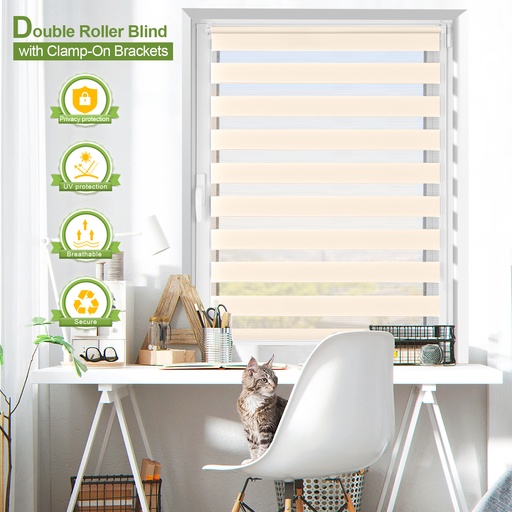
Why This Fits Their Persona: Ideal for renters or students looking for a functional and cost-effective solution. The dual-blind principle offers flexible light control for living or work areas without breaking the bank.
The included clamp brackets are designed for standard window frames and provide a solid hold when installed correctly, bypassing the pitfall of unstable mounts.
The duo function, with its alternating transparent and opaque stripes, offers a level of versatility not often found in this price range.
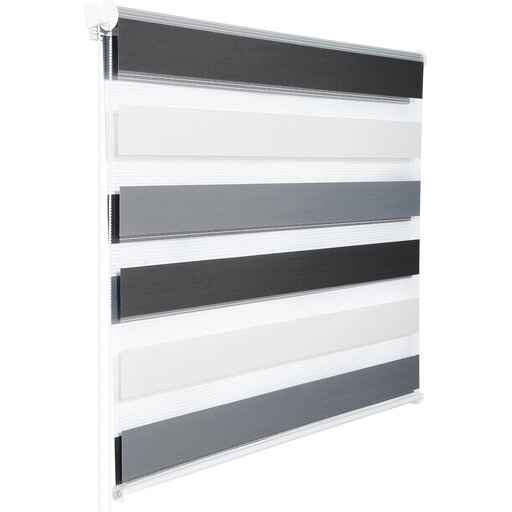
Why This Fits Their Persona: Perfect for home office users who need a blend of design and function. The tri-colour design adds a modern touch, while the zebra structure allows for precise light control to prevent screen glare.
WOLTU provides clear measuring instructions that emphasize the difference between fabric and order width. This helps avoid the common mistake of side light gaps.
The combination of variable light control and a modern, multi-coloured design offers an aesthetically pleasing yet highly functional solution for workspaces.
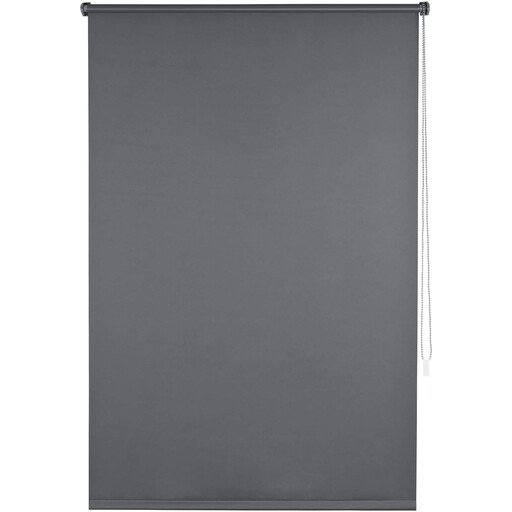
Why This Fits Their Persona: For individuals who require absolute darkness for a restful sleep. This blind is specifically designed to block light, making it ideal for bedrooms and children's rooms.
It bypasses the pitfall of inferior fabric quality by using a special aluminium coating on the back, which reliably blocks light and won't crack like cheaper coatings.
The thermal coating not only blocks light but also helps regulate room temperature by reflecting heat in the summer and retaining warmth in the winter.
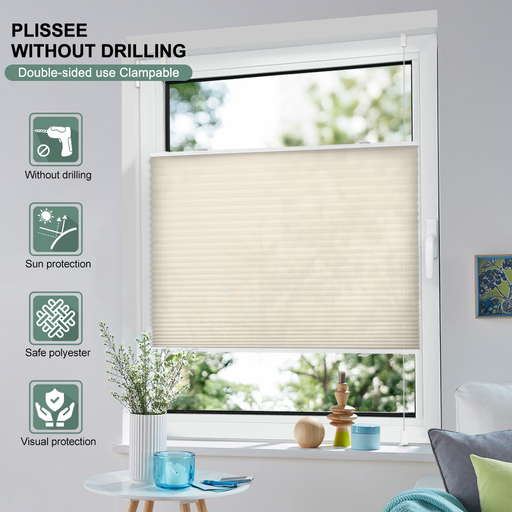
Why This Fits Their Persona: For those who want more flexibility than a standard roller blind offers. Ideal for ground-floor apartments or bathrooms where privacy is needed only in the lower part of the window, while still allowing light to enter from the top.
The tensioned mounting system ensures a permanently taut fit without sagging. The clamp brackets are specifically designed for this type of installation, offering a reliable alternative to roller blinds.
The ability to position the pleated blind freely on the window (from the top, bottom, or in the middle) offers an unparalleled level of flexibility in controlling light and privacy.
We have compiled a complete, up-to-date list of products that fully meet these strict selection criteria and all relevant safety regulations.
Measure the width of the glass pane itself and add approximately 4 cm to determine the order width. This ensures sufficient overlap and minimises light gaps at the sides. The height should be at least the height of the entire window sash. Also, check the thickness of your window frame (usually 13-23 mm) to ensure the clamp brackets are compatible.
Yes, when installed correctly and with a quality product, a clamp-on blind is very secure. The adjustable clamp brackets are tightened onto the window sash, creating strong tension that holds the blind reliably. It is important not to exceed the specified maximum window sash thickness and to follow the installation instructions carefully.
A dual roller blind (or zebra blind) consists of two parallel fabric panels with alternating transparent and opaque stripes. By shifting the panels, you can regulate the amount of light. It rolls up and down like a classic roller blind. A pleated blind consists of a single, accordion-folded piece of fabric. It is usually tensioned between two rails and can be positioned flexibly on the window—from the top down, from the bottom up, or just in the middle.