People planning their portion of nuts
If you want to buy nuts as a snack, setting a portion size makes it easier to relate the nutritional information on the pack to what you eat. A claim such as ‘light’ is no substitute for checking the details.


Reduced-fat peanut puffs are not an equivalent substitute for whole nuts. First, decide whether you want to buy nuts or a processed maize and peanut snack. When choosing nuts, check the portion size and the nutritional information on the specific pack. If you use insulin, the carbohydrate content of the portion you actually eat is particularly relevant to your individual planning.
If you want to buy nuts as a snack, setting a portion size makes it easier to relate the nutritional information on the pack to what you eat. A claim such as ‘light’ is no substitute for checking the details.
For individual planning, what matters is the carbohydrate content of the specific product and the amount you eat. diabetesDE notes that carbohydrates are relevant to insulin calculations for people with insulin-dependent diabetes. So don’t treat nuts, mixes with dried fruit and maize and peanut snacks as if they were the same.
If you’re considering reduced-fat peanut puffs, first check what kind of product they are: maize puffs made with peanuts are not the same as whole nuts. Then compare the nutritional values for the portion you plan to eat.
A good choice if: You want nut kernels rather than a maize and peanut snack, and want to compare the ingredients in a plain or unsalted variety.
Bear in mind: Whole nuts contain fat and energy. Even with a simple ingredients list, the amount you eat still matters.
A good choice if: You’re specifically looking for a crunchy maize and peanut snack, not a portion of whole nuts.
Bear in mind: Having less fat than standard puffs doesn’t tell you how many carbohydrates or how much salt the specific product contains.
| What to check | Check when buying | Especially important for |
|---|---|---|
| Carbohydrates | Carbohydrates per 100 g and in the portion you plan to eat; check the ingredients too for mixes and puffs. | If I use insulin, I need to know the snack’s carbohydrate content for my individual planning. This is the main purchase consideration for around 37% of consumers. |
| Portion and energy | Compare the energy and fat per 100 g with the amount you actually plan to eat. | I don’t want to mistake a large pack of nuts for a single portion. Portion and energy planning are the deciding factors for around 36% of consumers. |
| Ingredients and additions | Read the ingredients list and check the salt content. If you have allergies, check the information on the current pack. | If I want a nut snack with a simple ingredients list, I check whether sugar, salt or other ingredients have been added. This is a priority for around 27% of consumers. |
REWE describes Lorenz ErdnußLocken Leicht Classic as a reduced-fat maize snack with peanuts. Its fat content doesn’t make it a portion of whole nuts, nor does it tell you anything about the other nutritional values on its own.
First decide whether you want nut kernels or a savoury snack. Then compare energy, fat, carbohydrates, sugar and salt on the relevant pack.
Nut kernels can contain a lot of fat and energy per 100 g. For example, ALDI SÜD lists 71 g of fat per 100 g for its FARMER NATURALS walnut kernels. diabetesDE, citing the German Nutrition Society, gives 25 g of plain nuts as a daily guideline.
Decide how much you want to eat, then use the nutritional information for that portion rather than for the whole pack.
The ingredients for the roasted, unsalted peanuts listed by EDEKA include sunflower oil as well as peanuts. So ‘unsalted’ doesn’t describe the full ingredients list.
If you’re choosing nut products based on their ingredients, read the ingredients list rather than relying on the description on the front of the pack.
For people with allergies, the information on the current pack is what matters. EDEKA notes that product information on its website may differ from what’s on the packaging.
Check the listed allergens and any precautionary ‘may contain’ warnings every time you buy, especially if the product or packaging has changed.
A brand to consider when comparing plain nut mixes with mixes that contain nuts and other ingredients.
EDEKA sells a range of nut products under its own brands, including plain cashews and roasted, unsalted peanuts.
An option to consider when comparing individual plain nut varieties such as walnut kernels.
The range includes different types of products to compare, from nut kernels to seasoned or sweetened mixes.
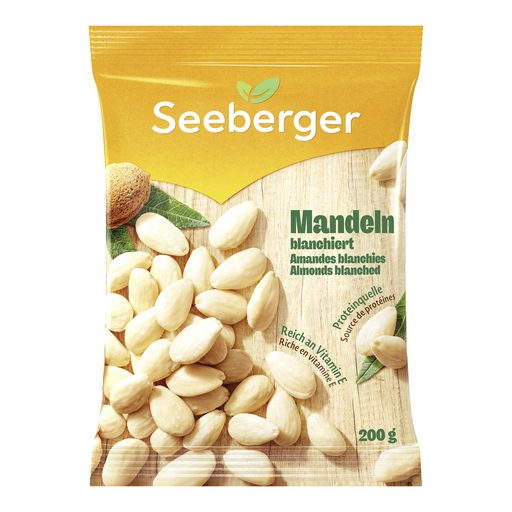
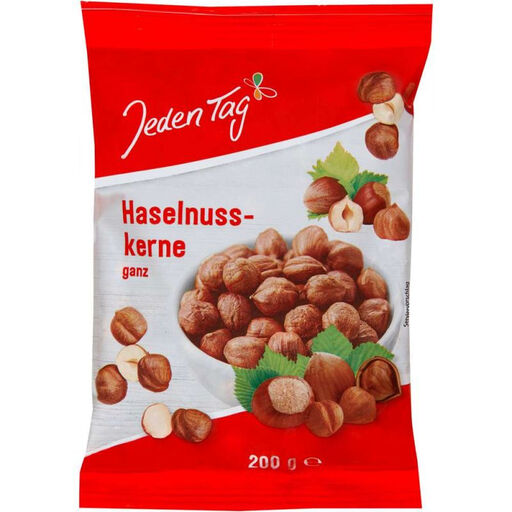
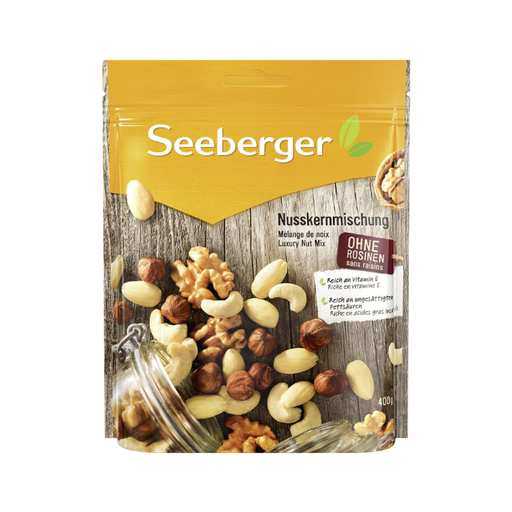
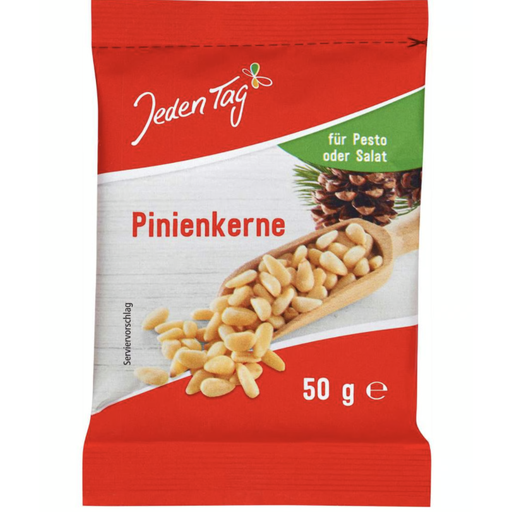
This selection includes whole almonds and hazelnuts, a nut mix without raisins, pine nuts and roasted cashews with no added salt. Compare each product using the information on its pack; they are not reduced-fat versions of the same type of nut.
 No image available
If you want individual almond kernels rather than a maize and peanut snack, this is the product type to look for. Use the nutritional information on the pack to work out the values for your planned portion.
 No image available
This single nut variety is a good option for comparing plain kernels with processed savoury snacks. Check the carbohydrate and fat content for the amount you plan to take from the pack.
 No image available
If you’re looking for a nut mix without raisins, this is an alternative to a mix with dried fruit. Compare the ingredients and, with a larger pack, bear in mind how much you’ll actually eat.
 No image available
This small pack is an option if you’re buying pine nuts as an ingredient or snack. If salt content matters to you, check it alongside the other nutritional information on the current pack.
 No image available
If you want roasted kernels with no added salt rather than plain nuts, this is a product type worth comparing. When planning your portion, take the carbohydrate and fat values on the current pack into account.
No. ‘Reduced-fat’ on its own tells you neither what kind of product it is nor all the nutritional details that matter when choosing. A maize and peanut snack is not a substitute for a portion of whole nuts. For both products, compare the ingredients, carbohydrates and the amount you plan to eat.
For individual planning, the carbohydrate content of the specific product and the portion you eat are relevant. diabetesDE explains carbohydrate portions (Broteinheiten) and carbohydrate units (Kohlenhydrateinheiten); how these figures are used in your treatment depends on your personal treatment plan.
No. ‘Less fat’ compares one product with another; it doesn’t tell you how many carbohydrates or how much sugar or salt the snack contains. So compare the nutritional information per 100 g, and check whether you’re looking at whole nuts or a processed snack.
Read the full ingredients list on the current pack and check whether it includes anything besides the kernels you want. ‘Unsalted’ isn’t enough to go on: for example, the roasted, unsalted peanuts described by EDEKA also contain sunflower oil.