
Lieferung heute & morgen

Qualitätsgarantie

Willkommens-Angebote freischalten: KOSTENLOSE Lieferung | Bis zu 80 % RABATT | Kostenlose 30-Tage-JoyPlus-Testphase
App herunterladen
By the Joybuy Product Recommendation Officer, July 28, 2026
Ordering non-perishable food online is a convenient way to stock your pantry. However, the vast selection can also lead to disappointing purchases. We've all been there: a snack advertised as "high-protein" turns out to be a sugar trap, or the canned goods you ordered have a surprisingly short shelf life. This guide will help you identify the key criteria and find products that truly meet your standards for quality and value.
Before you fill your shopping cart, be aware of three common issues that often lead to disappointment:
To avoid these pitfalls, focus on objective and verifiable product features.
Look beyond the marketing claims and check the values per 100 grams. A truly high-protein food has a favourable ratio of protein to carbohydrates and fat. Pay close attention to the following values:
A short, easy-to-understand ingredients list is often a good sign. For processed products like canned goods & preserves or Asian snacks, it provides insight into the quality. For fish and seafood, the FAO fishing area should be specified, allowing you to trace its origin. If you're specifically looking to buy beef jerky, check for information on how much meat was used per 100g of the final product.
Check the product description for information on the best-before date. Reputable sellers provide clear details. For frozen seafood, storage at -18°C is crucial. Ensure the delivery service guarantees an unbroken cold chain. Legumes and seeds should also be stored in a cool, dry place to maintain their quality.
Here are some product recommendations tailored to different needs and preferences.
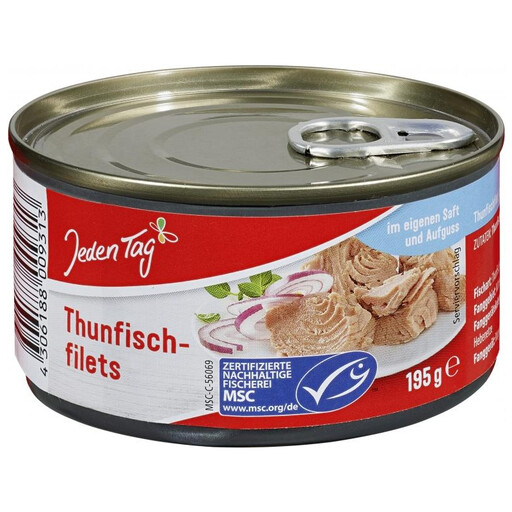
Why it's a great fit: Ideal for busy professionals who need a quick, high-protein ingredient for salads or sandwiches. It's convenient and ready to use right out of the can.
The ingredients list is minimalist and transparent: just tuna, water, and salt. The nutrition facts are clear: 26g of protein with only 1.2g of fat per 100g. The origin is specified with the FAO 71 fishing area.
Very high protein content; wild-caught; versatile for quick meals.
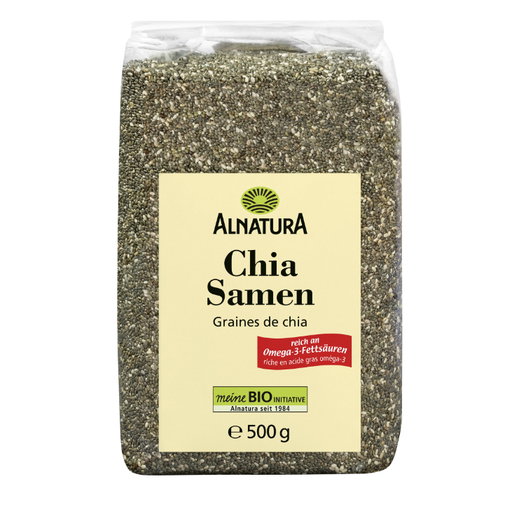
Why it's a great fit: Perfect for health-conscious consumers looking to enrich their diet with plant-based nutrients. Versatile for cereals, baked goods, or drinks.
The product is certified organic with the DE-?KO-003 seal. The ingredients list consists solely of chia seeds. The note on the maximum daily intake (15g) according to EU regulations demonstrates responsible product information.
High in fibre (28g/100g); rich in omega-3 fatty acids; organically grown.
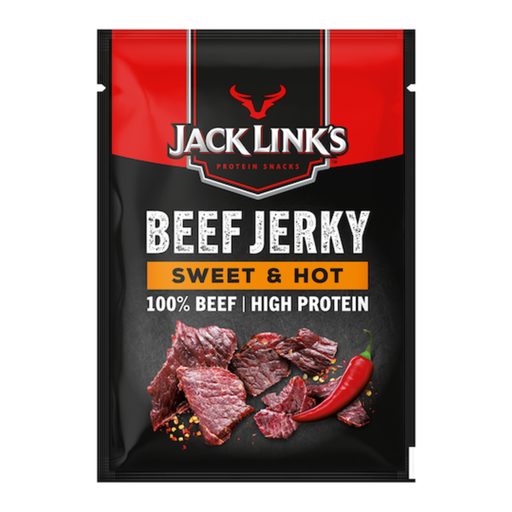
Why it's a great fit: A classic, high-protein snack for on the go, at the gym, or in the office. The combination of sweet and hot appeals to fans of bold flavours who are specifically looking to buy beef jerky.
The product description provides clear facts: 37.8g of protein per 100g and states that 180g of beef is used to make 100g of jerky. Allergens like celery are explicitly listed, avoiding the pitfall of incomplete information.
Extremely high protein content; balanced sweet and spicy flavour profile; convenient single-serving size for on the go.
We've compiled a complete, up-to-date list of products that fully meet these strict selection criteria.
1. How can I determine the actual shelf life of food ordered online? Look for phrases like "Best before" or information on storage life after opening in the product description. Reputable retailers will have this information directly on the product page. For frozen goods, the delivery terms should also guarantee an unbroken cold chain.
2. Are high-protein snacks from the internet always a healthy choice? Not necessarily. A high protein content is a good starting point, but it's just as important to check the sugar, salt, and fat content per 100g. A short ingredients list without many artificial additives is often an indicator of a more balanced product when you're buying snacks online.
3. What should I look out for with international specialities and frozen products? For international products, clear labelling of ingredients and allergens in your local language is crucial. With frozen seafood, maintaining the cold chain is the most important factor. Inspect the goods immediately upon arrival. Also, note that the stated net weight (drained weight) may differ from the gross weight.