
Lieferung heute & morgen

Qualitätsgarantie

Willkommens-Angebote freischalten: KOSTENLOSE Lieferung | Bis zu 80 % RABATT | Kostenlose 30-Tage-JoyPlus-Testphase
App herunterladen
A peanut bar seems like a simple choice for a quick snack. Yet, the vast selection in supermarkets and online can be overwhelming. The packaging promises indulgence, energy, or a healthy treat. In reality, vague labelling and clever marketing often lead to a purchase that doesn't meet expectations. Before you grab the next box, you should know the common pitfalls.
Common Pitfalls When Buying Peanut Bars:
To make an informed decision, it's helpful to focus on a few objective criteria instead of being swayed by marketing claims.
Choosing the right bar depends on your individual needs. Whether you need a quick peanut snack bar for on the go, a peanut granola bar for breakfast, or a functional protein source, the following three criteria will help you separate the wheat from the chaff.
A look at the nutrition facts is essential. Pay attention to the "of which sugars" value. A high sugar content (e.g., over 25g per 100g) indicates it's more of a confectionery item.
For anyone looking for a functional snack, protein content is key. A relevant peanut protein bar should have at least 15g of protein per 100g.
The ingredient list is ordered by weight, with the most prevalent ingredient listed first.
Based on these objective criteria, we have compiled a selection of products suitable for different needs and preferences.
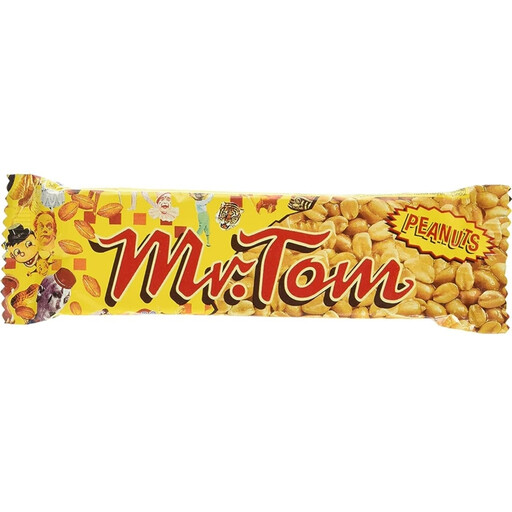
Why This Fits Their Persona: This bar is a classic for anyone seeking a straightforward, crunchy peanut snack. The focus is clearly on the taste of roasted peanuts and a light caramel note, without unnecessary ingredients.
It avoids the low-peanut-content trap, as peanuts are the main ingredient at over 62%, according to the manufacturer. The ingredient list is short and transparent.
Very high peanut content and a characteristically brittle, crunchy texture instead of a soft, chewy mass. Natural protein source from peanuts (over 20g per 100g).
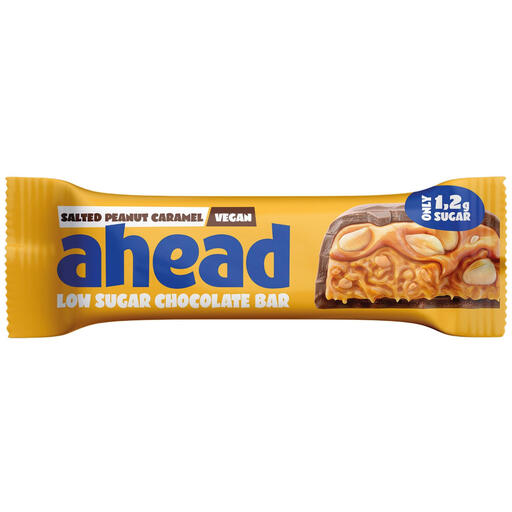
Why This Fits Their Persona: Ideal for those who want to enjoy the full flavour of a peanut-caramel bar but are consciously avoiding added sugar. It's a great snack for in-between meals without significantly spiking blood sugar levels.
This bar tackles the sugar trap head-on by avoiding added sugar and using sweeteners like maltitol instead. The sugar content is extremely low at 1.8g per 100g.
Contains 90% less sugar than comparable candy bars, according to the manufacturer. The high fibre content (17g per 100g) from inulin promotes long-lasting satiety.

Why This Fits Their Persona: This bar is designed for individuals who follow a plant-based diet and have high protein needs. It combines the taste of peanut and caramel with a functional nutritional profile.
It sidesteps the protein illusion by delivering a significant 15g of protein per 55g bar. The protein comes from a blend of wheat and soy protein, ensuring a more complete amino acid profile.
100% vegan, palm oil-free, and with no added sugar. The high protein content of 26g per 100g supports muscle growth and recovery.
We've compiled a complete, up-to-date list of products that fully meet these strict selection criteria and UK regulations.
The main difference lies in their composition and purpose. A peanut protein bar is designed to deliver a high protein content (often over 20g per 100g) and contains added protein sources like whey, soy, or pea protein. It's aimed at athletes and health-conscious individuals to support muscle growth. A classic peanut bar or peanut chocolate bar is primarily an indulgence, where taste and texture are the main focus. Its protein content comes mainly from the peanuts themselves and is typically lower, while the sugar and fat content is often higher.
Yes, this is possible, especially with bars marketed as "low-sugar" or "no added sugar." These products often contain sugar alcohols (polyols) like maltitol, sorbitol, xylitol, or erythritol as sweeteners. The human body cannot fully digest these substances, which is why they can cause bloating or a laxative effect in large quantities. Manufacturers are legally required to include the warning "excessive consumption may produce laxative effects" on the packaging if the polyol content exceeds 10%.
The ideal storage for most peanut bars is in a cool, dry place, away from direct sunlight and heat. Temperatures between 15°C and 22°C (59°F and 72°F) are optimal. Storing them in the refrigerator is usually not necessary and can alter the texture of some bars (e.g., caramel becomes very hard). It's important to protect bars with a chocolate coating from heat, as the chocolate will melt. Once the package is opened, the bars should be consumed promptly to preserve their freshness and crunch.