
Lieferung heute & morgen

Qualitätsgarantie

Willkommens-Angebote freischalten: KOSTENLOSE Lieferung | Bis zu 80 % RABATT | Kostenlose 30-Tage-JoyPlus-Testphase
App herunterladen
A mattress that’s too firm, a sagging bed or an unsuitable pillow can significantly affect your sleep comfort. That’s why side sleepers, back sleepers and people with sensitive necks pay particular attention to finding the right support. Flexible solutions are also useful in rented homes, student accommodation and when moving frequently.
However, some common marketing claims can lead to the wrong choice. An ergonomic shape won’t automatically suit every sleeping position, a soft topper won’t necessarily improve every mattress, and cooling materials don’t always prevent you from feeling too warm. The following criteria will help you compare products objectively.
An ergonomic neck pillow may suit you differently depending on its height, shape and your sleeping position. Side sleepers generally need a higher pillow to fill the gap between their shoulder and head. Back sleepers can often manage with a lower one. If you mostly sleep on your front, pay particular attention to the pillow’s height.
The term orthopaedic pillow is no substitute for clear information about dimensions, height and materials. Check that these details are provided in a way you can understand.
A very soft pressure-relieving topper may feel comfortable at first, but it can alter your sleeping position more than you’d like. If your mattress is already soft, adding more give may make it feel unstable. Conversely, a thin topper may do little to balance out an extremely firm mattress.
A cooling gel mattress topper can make use of the properties of gel memory foam, but it’s no substitute for good ventilation in your room and suitable bedding. For allergy sufferers, a removable cover, washing instructions and information about harmful substance testing are also more useful than vague claims such as ‘fresh’ or ‘anti-allergy’.
When choosing a latex pillow, check the material content carefully. The pillow is listed as containing 93% natural latex and 7% other materials. Natural rubber may not be suitable for people with a latex allergy. Any odour that may be present after unpacking should lessen after 24 to 48 hours of airing, according to the product information. The pillow must not be machine-washed or fully soaked.
For memory foam products, check the information about the cover, care and harmful substance testing. The smartsleep pillow is described as being made with OEKO-TEX-certified materials and having integrated air channels. The Novilla topper lists OEKO-TEX and CertiPUR-US. Certifications should apply to the specific product or the relevant material component.
Before buying, measure your existing mattress and the available cover. A 180x200 cm mattress topper will fit a double bed if the sleeping surface is exactly these dimensions. For a single or smaller double bed, a 140x200 cm mattress topper may be the right size.
Height also affects the result. The Novilla topper is listed as 5 cm high. The latex pillow measures 60 × 40 cm and has a wave shape with heights of 10 and 12 cm. Your pillow height should suit your shoulder width, mattress firmness and sleeping position.
Toppers delivered compressed need time to reach their intended shape. The Novilla model’s product information gives an expansion time of up to 72 hours or 24 to 96 hours. Check the packaging and product page for guidance before assessing how comfortable it is to lie on.
Lightweight products and compressed packaging are practical for rented homes and frequent moves. Even so, the product should be aired regularly and cleaned according to the care instructions. A washable cover is often more useful day to day than a particularly thick layer of material.
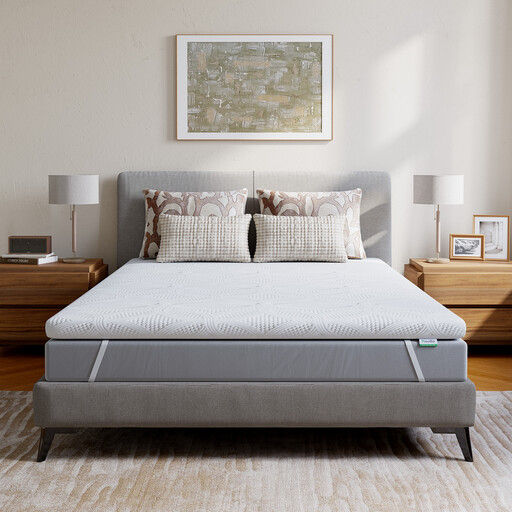
Why this product suits this profile: This 180 × 200 cm topper is designed for existing mattresses, divan beds, sofa beds and some low bed frames.
Its height, size and care instructions are clearly specified. The product description says the cover can be hand-washed, and you should allow time for the topper to expand.
Gel memory foam, a 5 cm height and stated OEKO-TEX and CertiPUR-US certifications.
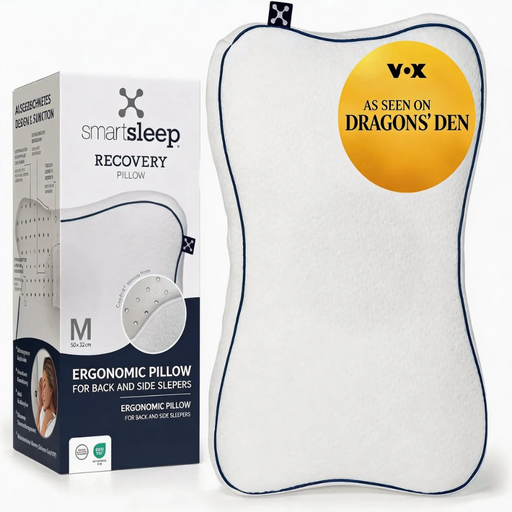
Why this product suits this profile: The combination of memory foam, a head recess and air channels is designed for back and side sleepers who value specific design features.
Its suitability isn’t described simply with the word ‘ergonomic’; details of the head recess, material and intended sleeping positions are also provided.
Memory foam core, integrated air channels, an OEKO-TEX statement and a stated 30-night trial period.
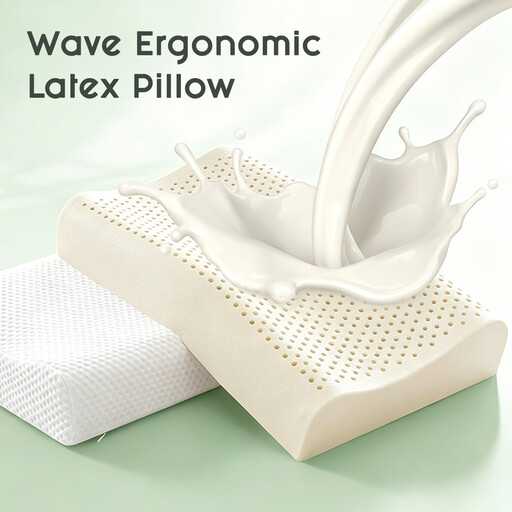
Why this product suits this profile: The wave shape and two stated heights may appeal to people who switch between sleeping on their back and side.
The latex content and dimensions are clearly stated. If you have a latex allergy, check the material information and warning before buying.
93% natural latex, a wave shape and a stated medium firmness.
We’ve put together a complete, regularly updated list of products that meet these strict selection criteria and the safety regulations in force across the EU.
Start by measuring your mattress and bed frame. If your sleeping surface is too firm or too soft, a topper may change how it feels. If you have neck problems, pillow height is usually the first thing to check. Let compressed products expand fully before assessing them.
Its lifespan depends on the material, how much it’s used, how it’s cared for, the room climate and whether it’s rotated regularly. A general lifespan in years is therefore not a reliable guide. Look out for permanent indentations, tears, developing odours or declining comfort, and follow the manufacturer’s advice.
A topper doesn’t normally need electricity. Ongoing costs may include suitable fitted sheets, cleaning or a replacement cover. For gel memory foam toppers, check whether the cover is hand-wash only and how long it takes to dry.