
Lieferung heute & morgen

Qualitätsgarantie

Willkommens-Angebote freischalten: KOSTENLOSE Lieferung | Bis zu 80 % RABATT | Kostenlose 30-Tage-JoyPlus-Testphase
App herunterladen
By Joybuy Product Recommendation Officer, August 28, 2026
Primitivo red wine has become a firm favourite across Europe. Its approachable style, intense fruit, and often powerful body make it a popular choice. However, its growing popularity has also led to a crowded and confusing market where not every label delivers on its promise. Many buyers invest in wines that are either too sweet, lack structure, or are simply overpriced.
This guide will help you navigate the common pitfalls. We focus on the objective characteristics that define a high-quality Primitivo and show you what to look for before you buy, enabling you to make an informed decision.
Before we delve into quality markers, it's important to understand the most common marketing traps that often lead to disappointing wine experiences.
To find a Primitivo that meets your expectations, you should check three objective criteria. These will help you assess quality independently of marketing promises.
The Italian wine system provides a clear hierarchy that serves as a guide.
A dry Italian red wine is legally required not to exceed a certain level of residual sugar. With Primitivo, however, the interplay with alcohol is crucial. A high alcohol content (often 14% ABV or more) can create a sweet taste impression, even if the wine is technically dry. A well-balanced Primitivo possesses not only ripe fruit and alcohol but also a present acidity and structuring tannins that make the wine feel fresh and harmonious.
Look for clues about the production process. A traditionally vinified Primitivo focuses on the pure expression of the grape. Methods like the aforementioned Doppio Passo or ageing in wooden barrels (barriques) can add extra aromas of spice, vanilla, or smoke and round out the wine's texture. A "Riserva" designation means the wine has undergone a longer ageing period at the winery, which typically leads to greater complexity.
Based on these objective criteria, we have selected a few wines from our range that are suitable for different taste profiles and occasions.
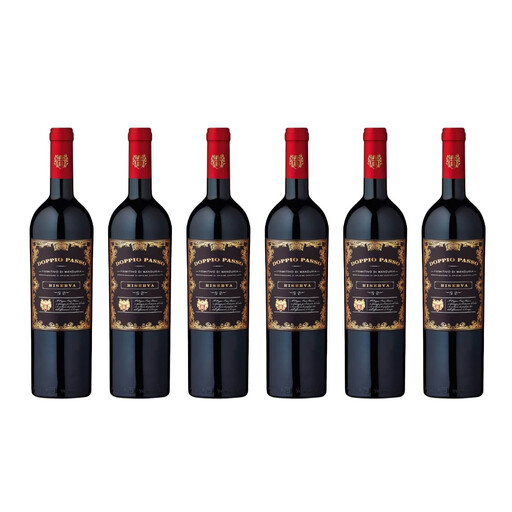
Why This Fits Their Persona: Ideal for connoisseurs seeking an authentic and complex Primitivo. This wine represents the characteristic style of the Manduria region and is an excellent companion for hearty grilled dishes or a relaxing evening.
As a Primitivo di Manduria DOC Riserva, it meets strict appellation and ageing regulations. The balance between fruit, structure, and the toasted notes from the production process prevents the one-dimensional "jam jar" effect.
A combination of DOC status and Riserva ageing. The Ripasso method creates a full-bodied profile with complex notes of blackberry, plum, and spice.
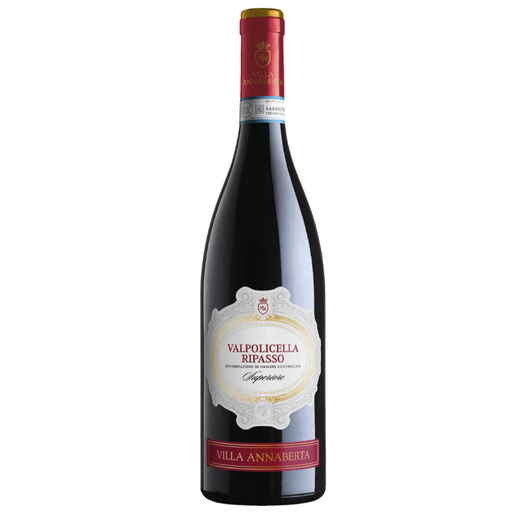
Why This Fits Their Persona: For wine drinkers who appreciate the principle of a full-bodied wine made via second fermentation but are looking for an alternative to Primitivo. This wine from Veneto offers a different, yet equally fascinating, world of aromas.
As a Valpolicella Ripasso Superiore DOC, this wine is subject to strict rules. The traditional Ripasso method here is not a marketing gimmick but an established process for creating well-balanced structure and depth.
Offers a complex flavour profile with a robust character and 14.5% ABV. An elegant alternative for connoisseurs looking to explore the diversity of Italian red wines.
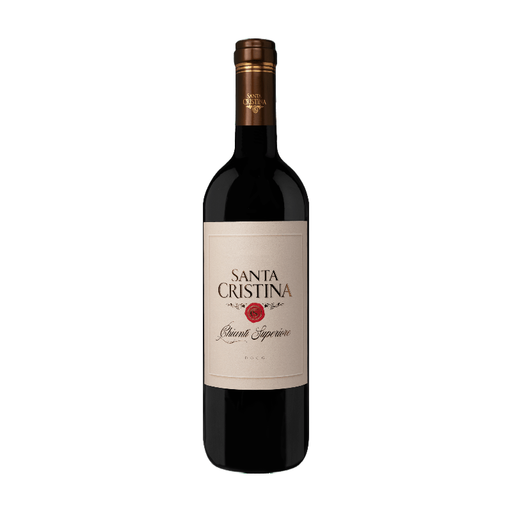
Why This Fits Their Persona: An excellent choice for anyone seeking a reliable and classic wine for pasta. This Chianti Superiore is a versatile food companion that impresses with its structure and red fruit aromas.
The DOCG classification is the highest guarantee of quality in Italy. It secures the wine's origin and typical character, protecting against generic, unstructured red wines. This wine offers guaranteed quality and style.
A full-bodied taste with velvety tannins and a fruity finish. Barrel ageing imparts additional notes of vanilla and a pleasant complexity.
We've compiled a complete, up-to-date list of products that meet these strict selection criteria and quality standards.
1. What does "Doppio Passo" mean for a Primitivo? "Doppio Passo" is a marketing term that refers to a production method similar to the Ripasso process. In this technique, the young wine is fermented a second time on the skins of already fermented, often partially dried grapes. This process extracts additional colour, aromas, and tannins, resulting in a denser and more complex wine.
2. At what temperature should you serve a full-bodied red wine like Primitivo? For a full-bodied red wine like Primitivo, a serving temperature of 16 to 18°C is recommended. If the wine is too warm, the alcohol becomes too prominent and the fruit aromas can seem overbearing. If it's too cool, the tannins can seem harsh and the aromas muted.
3. Does Primitivo only pair with hearty dishes? Although Primitivo is a classic companion to hearty dishes like grilled meats, stews, and spicy pasta, it is more versatile than often assumed. A well-structured Primitivo also harmonises excellently with aged hard cheeses like Pecorino or Parmesan. Less opulent versions can also be an excellent match for pizza or even mushroom dishes.