People who pay attention to portion size
You fancy a sweet bar late in the evening and want to know how many kcal are in one bar before you eat it. The bar’s weight and energy per portion matter more than a prominent protein claim.


When choosing a protein bar for a late-night snack, start by checking how many kcal are in the portion you actually plan to eat. Then compare the nutrition information per 100 g. Neither a high protein content nor a ‘no added sugar’ claim is a substitute for checking the energy, ingredients and allergens of the specific flavour.
You fancy a sweet bar late in the evening and want to know how many kcal are in one bar before you eat it. The bar’s weight and energy per portion matter more than a prominent protein claim.
You’re planning a sweet snack and want to compare its protein content with the energy in the same portion. That doesn’t mean a protein bar is automatically the right choice: the Verbraucherzentrale says extra protein is generally unnecessary for the general population.
You keep an eye on sweeteners or need to avoid certain allergens. The label on the specific flavour and pack is what matters, as recipes and warnings can vary between bars from the same brand.
For the late-night snack you have in mind, start by checking the weight and kcal in one bar. The nutrition information per 100 g then helps you compare bars of different sizes; protein, sugar and ingredients provide further context.
| Criterion | What to check when buying | Who it matters most to |
|---|---|---|
| Calories per portion | kcal and weight per bar; compare kcal per 100 g too. | If I want to eat exactly one bar in the evening, I want to know how much energy it contains first. Around 36% of consumers put calories per portion first. |
| Protein content | Compare the protein in g and kcal for the same portion. | If I want my sweet snack to contain protein too, I’m interested in the amount per bar without overlooking its energy content. Around 29% of consumers prioritise clear information about protein content. |
| Ingredients and allergens | Read the ingredients list, sweeteners and allergen information for the specific flavour. | If I need to avoid certain ingredients, I also need clear labelling when trying a new flavour. Around 21% of consumers focus primarily on ingredients and allergens. |
| Pack size | Check the number of bars and the weight of each one against how you plan to use them. | If I only have a bar occasionally in the evening, I want to choose the pack size carefully. For around 14% of consumers, finding a pack that suits their snacking habits is the main priority. |
A claim about added sugar doesn’t tell you how much energy a bar contains overall. A high protein content doesn’t answer the calorie question either.
Compare the kcal per bar and per 100 g before considering sugar and protein information as additional factors.
Some protein bars contain sweeteners or sugar substitutes. Some packs also warn that excessive consumption may have a laxative effect.
Read the ingredients list and consumption advice for your chosen flavour, especially if you’re planning to buy several bars at once.
Ingredients and ‘may contain’ warnings can vary between flavours. Depending on the recipe, the protein bars described may contain allergens such as milk, soya, peanuts or tree nuts.
Check the current labelling whenever you switch flavours. If you have an allergy, the information on the specific pack is what matters.
Barebells offers protein bars in several ranges and dessert-inspired flavours. For a late-night snack, the specific flavour matters more than the brand alone.
The Protein Layer Bar lists a 50-g portion, which you can compare with the nutrition information for the flavour you’re considering.
Quest Nutrition makes protein bars in a range of flavours. If you’re planning to have one as a single-portion snack, choose a flavour based on its nutrition information.
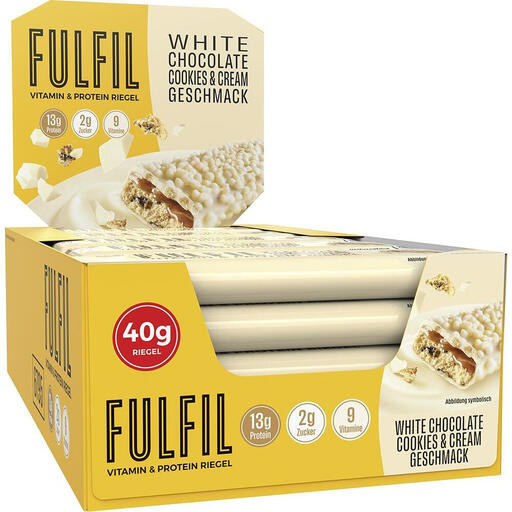
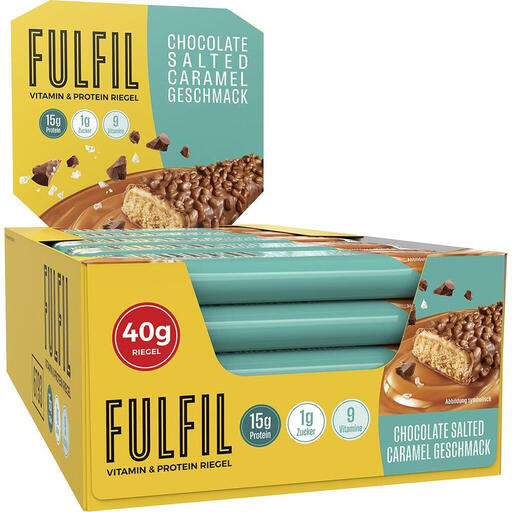
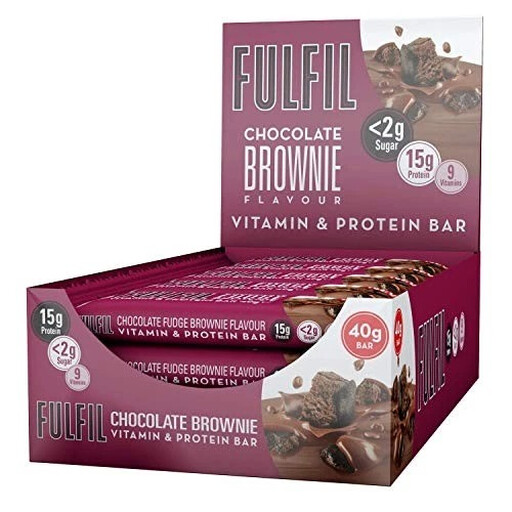
These FULFIL bars could suit a late-night snack if you’re planning to have just one. Each pack listed contains 40 g bars; when deciding based on calories, check the kcal per bar on the current pack.
 No image available
If you’re planning to have a Cookies & Cream bar as a single portion, compare its listed weight of 40 g with the kcal per bar shown on the current pack.
The pack contains 15 bars. Check the ingredients and allergen information for this flavour before buying too.
 No image available
If you prefer chocolate with salted caramel, check the kcal in a 40-g bar for your planned snack rather than looking only at the figures per 100 g.
The pack contains 15 bars. Also read the information about sweeteners and allergens for this flavour.
 No image available
If you fancy a brownie flavour for a late-night snack, use the 40-g bar weight and check the kcal for that portion on the current pack.
The pack contains 15 bars. Also check the ingredients list and allergen information for this flavour.
No. A claim about added sugar doesn’t tell you how many kcal a bar contains overall. Compare the energy per bar and per 100 g, then check the sugar, fat and ingredients information.
Start with the kcal and weight of the portion you actually plan to eat. Information per 100 g lets you compare bars of different sizes; you can then compare the sugar and protein in the same portion. Lebensmittelverband Deutschland explains how nutrition information per 100 g helps you make comparisons.
Yes. If you need to avoid certain ingredients because of an allergy, the labelling for each specific flavour is essential. Depending on the protein bar, allergens such as milk, soya, peanuts or tree nuts may be relevant; ‘may contain’ warnings can also differ.
It means that excessive consumption of the product with that recipe may have a laxative effect. For bars containing sugar substitutes, check the ingredients list and consumption advice on the current pack.
No, a protein bar isn’t necessary. The Verbraucherzentrale considers extra protein generally unnecessary for the general population. If you do choose a bar as a sweet snack, base your choice on the portion size, nutrition information and ingredients rather than the protein claim alone.