
Lieferung heute & morgen

Qualitätsgarantie

Willkommens-Angebote freischalten: KOSTENLOSE Lieferung | Bis zu 80 % RABATT | Kostenlose 30-Tage-JoyPlus-Testphase
App herunterladen
The market for radios is vast, ranging from simple kitchen models to multifunctional internet radios. However, tempting product descriptions often hide pitfalls that can quickly lead to buyer's remorse. Many devices suffer from outdated technology, impractical power options, or exaggerated performance claims. This guide will help you identify the crucial features and find a device that reliably serves its purpose.
Before you make a decision, you should be aware of the typical shortcomings often found in budget-friendly or poorly designed devices.
To avoid a bad purchase, focus on the following technical specifications. These determine the functionality and longevity of your radio.
Choosing the right reception type is fundamental.
Modern radios are often more than just receivers.
Here are some models tailored to specific use cases that successfully avoid the pitfalls mentioned earlier.
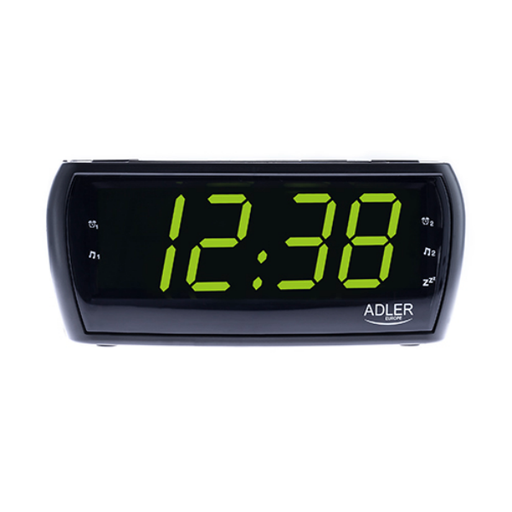
Why This Fits Their Persona: Ideal for users seeking a straightforward, easy-to-read clock radio for the bedroom. The focus is on the core function: reliable waking and simple radio reception.
It sidesteps the impractical power supply trap with a battery backup function that saves all settings during a power outage.
Very large, dimmable LED display (48 mm digit height) for excellent readability from a distance; dual-alarm function.
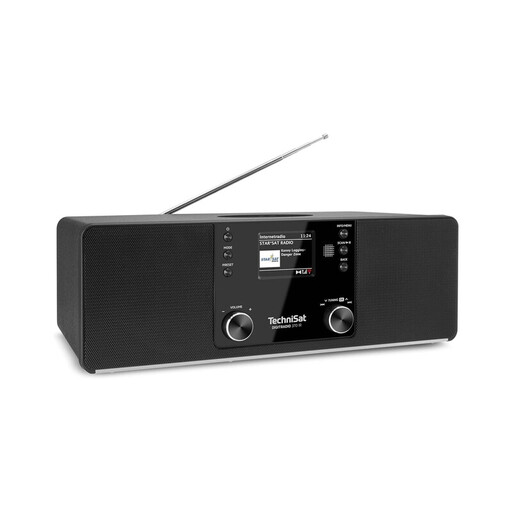
Why This Fits Their Persona: Perfect for tech enthusiasts looking for a future-proof device for the kitchen or living room. It combines all modern reception and playback options in one unit.
Avoids the outdated technology trap by combining DAB+ digital radio, internet radio, and classic FM reception.
Comprehensive connectivity with Wi-Fi, Bluetooth, USB (playback and charging), and AUX-In; Qi charging pad for wirelessly charging smartphones.
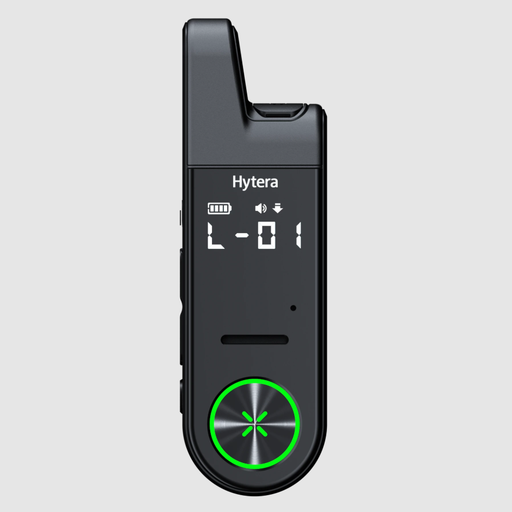
Why This Fits Their Persona: Suitable for small businesses (hospitality, retail) or families needing a simple, stylish, and license-free communication solution for short distances.
Solves the problem of misleading range claims by being designed for close-quarters communication where it performs reliably. The ultra-compact design also avoids the bulkiness of traditional two-way radios.
Extremely slim and lightweight design; charges via a modern Type-C USB port; simple push-to-talk operation without complicated settings.
For demanding environments like construction sites or workshops, we have curated a selection of devices that are particularly durable and meet the criteria mentioned here.
No. PMR446 (Private Mobile Radio 446 MHz) is a standardised frequency range in the UK and most of Europe that is license-free and registration-free for both private and commercial use. Devices sold as a license-free walkie-talkie set adhere to this standard and can be operated without any further permission.
DAB+ is the advanced version of the original DAB standard. The main difference lies in the audio codec used. DAB+ uses the more efficient MPEG-4 HE-AAC v2 codec, which allows for better sound quality at lower bitrates. This means more stations can be broadcast on a single frequency. In most of Europe, the DAB+ standard is used almost exclusively.
Battery life depends heavily on the battery's capacity (measured in milliampere-hours, mAh), the volume level, and the type of use. A simple portable radio can run for 10 to 20 hours at a moderate volume. Devices with large displays, Wi-Fi functionality (internet radio), or Bluetooth streaming consume more power, which can result in shorter battery life. Pay attention to manufacturer specifications and look for models with power-saving features.