
Lieferung heute & morgen

Qualitätsgarantie

Willkommens-Angebote freischalten: KOSTENLOSE Lieferung | Bis zu 80 % RABATT | Kostenlose 30-Tage-JoyPlus-Testphase
App herunterladen
Dry skin, an irritated skin barrier and stressed hair all have different care needs. Yet many products make broad claims about “repair”, “regeneration” or “intensive action”. That doesn’t make choosing any easier. The key factors are the area of skin or hair you want to treat, the formula and how you plan to use it.
This buying guide explains what people in Germany should look for when choosing repair care products – from barrier repair creams and moisturisers for dry skin to repairing hair masks.
“Repair” can refer to different care goals in a body lotion, a face serum or a hair mask. For example, a hair mask may help the surface of your hair look smoother, while a cream mainly moisturises and cares for the skin’s surface. This doesn’t mean the product has a medical repair effect.
So look for specific details such as glycerin, hyaluronic acid, ceramides, panthenol, urea or nourishing oils. The INCI list on the packaging shows the product’s actual ingredients.
A very rich cream may suit dry areas on your body, but feel heavy on your face or on oily skin. Conversely, a light gel cream may not be enough for very dry heels. The same goes for hair care: a rich mask can weigh down fine hair.
Choose a texture that suits how you’ll use it:
A 490 ml conditioner or a pack of three can make sense if you use it regularly. But when trying a new product on sensitive skin, a smaller pack is often more practical, so you can check how well your skin tolerates it first. For products with sensitive ingredients, also check the expiry date, batch number and period-after-opening symbol on the packaging.
The face, body, feet and eye area all have different needs. A body lotion such as Vaseline Intensive Care Body Lotion 400 ml Advanced Repair is designed for dry skin on the body. For your face, a barrier repair cream or a lightweight serum may be a better choice.
If your skin is very sensitive or prone to blemishes, also take fragrance, essential oils and very occlusive textures into account. It may be worth doing a patch test on a small area of skin before applying the product more widely.
For foot care, a foot cream with urea may be suitable for rough, hardened areas. For example, CREMA PIES Intensive Repair contains 10% urea, as well as glycerin and panthenol. The instructions say not to apply the cream between the toes.
Ingredients that can help support the skin barrier include ceramides, cholesterol, glycerin, hyaluronic acid and panthenol. If you’re using an anti-ageing serum with retinol, it’s particularly important to introduce it gradually. Stop using it if irritation occurs.
Coloured, chemically treated, dry or frizzy hair doesn’t necessarily need a mask every day. A repairing hair mask is often used once or twice a week, while a conditioner for dry hair can be used after every wash.
Look out for:
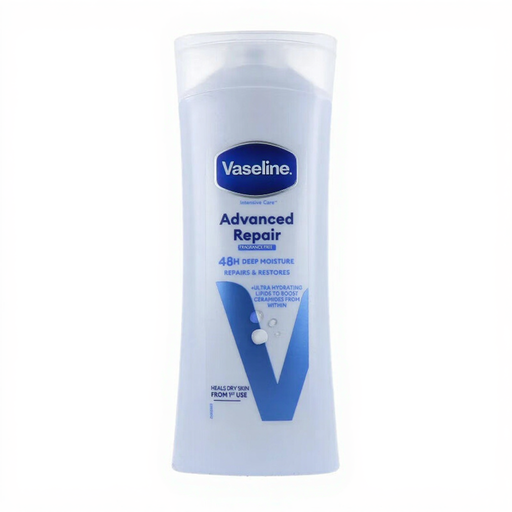
Why it suits this profile: This 400 ml lotion is designed for daily care of dry skin on the body, and can be applied to larger areas after showering.
The product description specifically names glycerin, Vaseline and shea butter, rather than relying on the general claim “Repair”.
400 ml size, lotion texture and designed for dry skin on the body; stated to be dermatologically tested.

Why it suits this profile: This Korean skincare product combines a creamy texture with ceramides and several forms of hyaluronic acid for everyday facial care.
Check the INCI list to verify the ceramides and forms of hyaluronic acid mentioned. Do not use the cream on damaged skin.
50 ml size, Ceramide NP, AP, AS, NS and EOP, plus seven listed forms of hyaluronic acid.
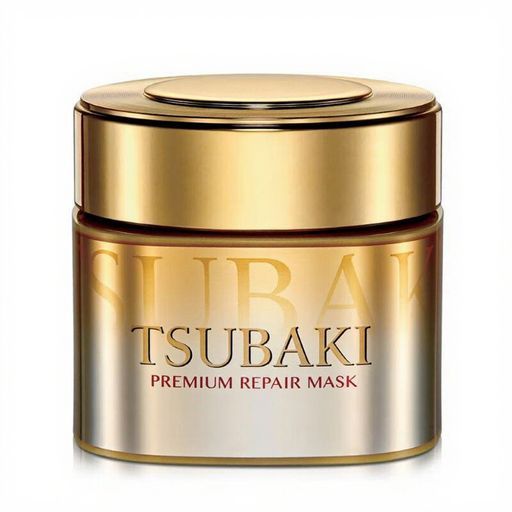
Why it suits this profile: This Japanese hair treatment is designed to provide extra care for dry, stressed or coloured lengths.
The instructions specify a leave-on time of five to ten minutes and use once or twice a week, helping to avoid unnecessary daily over-conditioning.
180 g size, camellia oil and several conditioning and film-forming ingredients; the product information states that it contains fragrance.
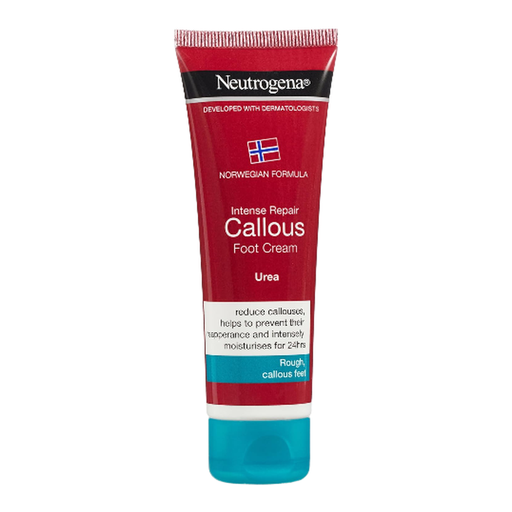
Why it suits this profile: This foot cream is for dry, rough areas on the heels and soles, and is suitable for targeted daily use.
The 10% urea concentration gives you a specific detail to consider. The instructions also clearly state which areas to avoid.
50 ml size, 10% urea, glycerin and panthenol; designed for rough heels and soles.
Apply body lotion to skin while it’s still slightly damp, if possible. Hair masks are generally applied to the lengths and ends; rich formulas can weigh down the roots more easily. Apply face products in a sensible order: cleanser, lightweight care such as toner or serum, then cream. If you use retinol as part of your anti-ageing routine, it’s important to apply suitable sun protection in the morning.
Stop using the product if you experience burning, redness, itching or swelling. Don’t apply products to open wounds or badly damaged skin. If symptoms persist, seek medical advice.
For the body, try lotions or creams containing glycerin, Vaseline, shea butter, panthenol or urea. For the face, barrier repair creams with ceramides and moisturising ingredients are one option. Your skin type and how well you tolerate the product remain key considerations.
Many products are designed to be used once or twice a week. A conditioner for dry hair, on the other hand, can be used after washing your hair. If you have fine hair, start with a small amount to avoid weighing it down.
Check the printed expiry date and batch number, as well as the PAO symbol after opening. Store your skincare products somewhere cool and dry, away from direct sunlight. If the smell, colour or consistency changes significantly, stop using the product.