
Lieferung heute & morgen

Qualitätsgarantie

Willkommens-Angebote freischalten: KOSTENLOSE Lieferung | Bis zu 80 % RABATT | Kostenlose 30-Tage-JoyPlus-Testphase
App herunterladen
Sensitive skin often reacts to cold weather, dry central-heating air, frequent washing or an overly complicated skincare routine. Typical signs include a feeling of tightness, rough patches, temporary redness or a burning sensation after application. A suitable face cream for sensitive skin should therefore do more than provide moisture: it should also suit your individual skin tolerance, preferred texture and skin barrier.
Plant extracts and essential oils are often presented as particularly mild. However, they can trigger unwanted reactions in sensitive skin. For example, the product information for the Celimax The Real Noni Energy Repair Cream highlights rosemary oil and possible allergies to aromatic oils. Checking the full INCI list is therefore more important than relying on a single marketing claim.
A lightweight moisturiser for sensitive skin may feel comfortable, but it can evaporate quickly if the skin is dry or its barrier is weakened. It is sensible to combine humectants such as glycerin or hyaluronic acid with barrier-supporting lipids such as ceramides, cholesterol or plant oils.
This statement describes a broad target group, but it does not replace checking your own needs. A rich cream may be suitable for dry skin, but feel heavy on oily or blemish-prone skin. Conversely, a gel cream may not provide enough protection for very dry skin.
A skin barrier cream should ideally combine several functional groups:
When choosing a face cream with ceramides, do not rely solely on the product description. Check whether ceramides are actually listed in the INCI ingredients. Formulas can change, so the packaging of the product supplied is the definitive source of information.
If you are prone to redness or a burning sensation, you may prefer a soothing face cream without added fragrance. Fragrances, essential oils and highly aromatic plant extracts are not necessarily problematic, but they can increase the potential for irritation in some people. Even when a product is declared fragrance-free, you should still check the current ingredients list.
A moisturiser for dry skin can have a protective, creamy texture. For combination skin or morning use, a quick-absorbing gel cream may be more practical. The cream is usually applied after cleansing, toner and serum as the final or penultimate step in your skincare routine. During the day, you should also use sun protection.
Test new products on a small area first. Stop using the product if you experience persistent redness, swelling, severe itching or burning. Cosmetics are not intended to treat acute skin conditions or open wounds.
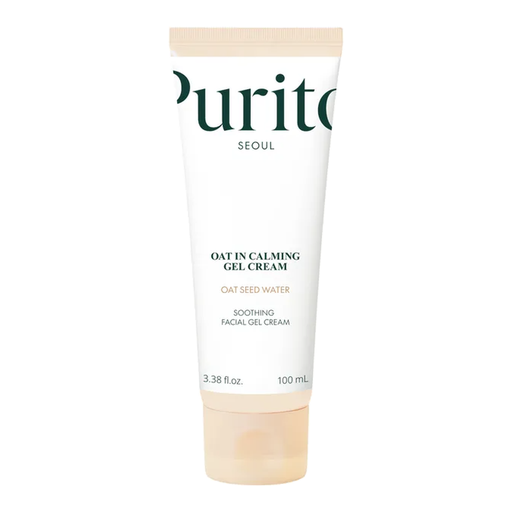
Why this product suits this profile: With its lightweight gel-cream texture and 100ml size, it is suitable for anyone looking for an uncomplicated Korean face cream that absorbs quickly. According to the product details, it contains 77% oat water and panthenol.
The clear gel texture is a sensible alternative to very heavy creams if richer products feel uncomfortable in everyday use.
100ml size, gel-cream texture, plus oat water and panthenol according to the product details.
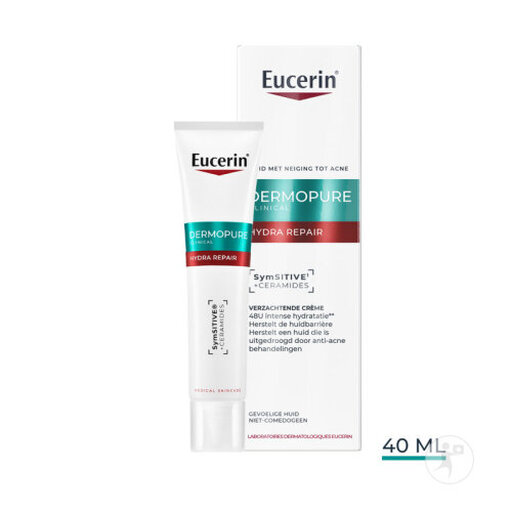
Why this product suits this profile: According to the product information, this fragrance-free cream is intended for sensitive, blemish-prone skin and for use during drying acne treatments.
The “fragrance-free” label and 40ml tube make targeted, manageable use easier, rather than encouraging an unsuitable bulk purchase.
Fragrance-free formula, panthenol, squalane and Ceramide NP according to the product details.
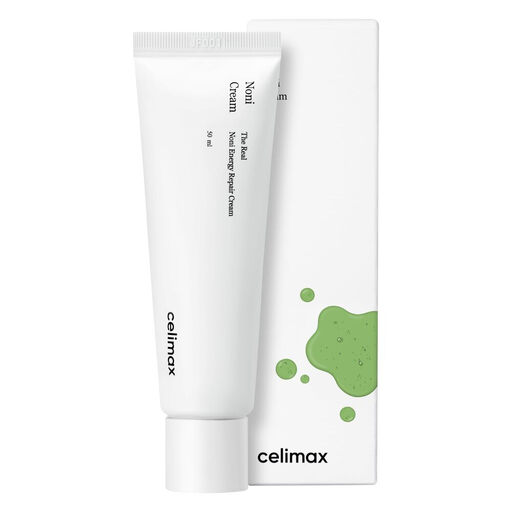
Why this product suits this profile: The creamy texture and combination of noni fruit extract, noni seed oil, Ceramide NP, squalane and shea butter suit dry skin that prefers richer care.
Alongside plant extracts, the ingredients list also shows classic moisturising and lipid components. As the formula contains rosemary oil, a patch test is particularly advisable.
50ml size, plus Ceramide NP, glycerin, squalane and shea butter according to the INCI list.
We have put together a complete, regularly updated list of products that fully meet these strict selection criteria and the safety regulations applicable in the EU.
Apply face cream to clean, dry or slightly damp skin to begin with. For dry skin, it may be useful to apply a smaller amount to the cheeks and a thinner layer to the T-zone. The ideal amount depends on the texture and the rest of your skincare routine.
You will find the best-before date, batch number and the symbol indicating the period after opening on the packaging. Keep creams tightly closed, dry and protected from direct sunlight. If the smell, colour or consistency changes noticeably, stop using the product.
Commonly used ingredients include glycerin, panthenol, squalane, ceramides, hyaluronic acid and allantoin. However, the entire formula and your individual skin tolerance are what matter most. If you have a known sensitivity, check fragrances, essential oils and certain plant extracts carefully.
Many products are intended for use in the morning and evening. If your skin is very dry, an additional application to specific areas may be helpful. When trying a new formula, start with a small amount and observe how your skin reacts.
Follow the PAO symbol on the packaging, such as “12M”, as well as the printed expiry date. Shelf life can vary depending on the product and how it is stored. The information on the specific packaging takes precedence over general guidelines.