
Lieferung heute & morgen

Qualitätsgarantie

Willkommens-Angebote freischalten: KOSTENLOSE Lieferung | Bis zu 80 % RABATT | Kostenlose 30-Tage-JoyPlus-Testphase
App herunterladen
A retinol eye cream can be a targeted addition to your daily eye-care routine. However, products vary considerably in their active ingredients, concentrations, textures, packaging and application. If you focus only on terms such as ‘anti-ageing’, ‘lifting’ or ‘illuminating’, it’s easy to overlook important buying criteria.
Three marketing pitfalls are particularly likely to lead to disappointing purchases:
Retinol is a vitamin A derivative used in many formulations to care for mature skin. Retinal, also known as retinaldehyde, is another form of vitamin A. Retinyl retinoate is formulated differently and shouldn’t be directly compared with a retinol concentration.
So check:
If you have sensitive skin, start with a small amount on just a few evenings a week. Tolerance varies from person to person. Stop using the product if you experience redness, stinging or persistent irritation. Skincare containing vitamin A can increase sensitivity to light, so use suitable sun protection during the day.
An eye cream for wrinkles shouldn’t rely on a vitamin A ingredient alone. Moisturising ingredients such as glycerin, hyaluronic acid or squalane can help dry skin feel softer. Ceramides, shea butter and certain oils are often used to support the skin barrier.
If you’re prone to dryness around the eyes or fine lines, a moisturising eye cream with a richer texture may suit you. If your skin is oily or you wear make-up, a lightweight serum may feel more comfortable. Check the product description and full INCI list before buying, as formulations can change.
An eye cream with a metal roller or a 360-degree roller can make it easier to dispense the right amount and feel cool on the skin. However, a roller is no substitute for careful application. Don’t rub it directly along the lash line or press down firmly.
Caffeine is often used in caffeine eye care products for mornings when the eye area looks tired or puffy. This is a cosmetic skincare benefit, not a medical treatment. If swelling is severe or appears suddenly, seek medical advice to find out what’s causing it.
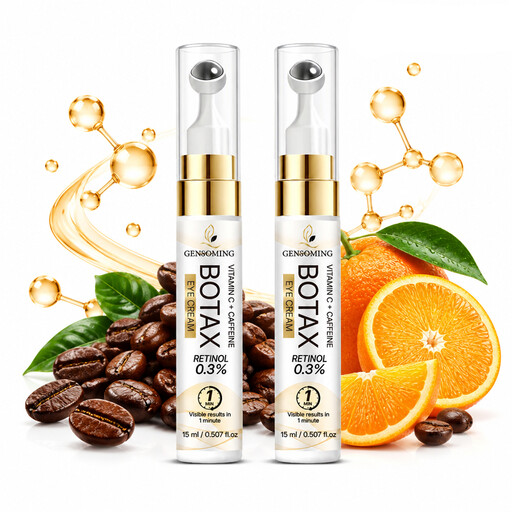
Why this product suits this profile: The pump and 360-degree roller make it a good choice if you prefer a straightforward application in the morning and evening. According to the product description, it contains 15 ml and is formulated with vitamin C, caffeine, niacinamide and 0.3% retinol.
The stated retinol concentration offers more transparency than a general marketing claim. The roller allows for targeted application, but should be used without pressing down.
Caffeine, hyaluronic acid and retinol in a roll-on formula; hygienic dispensing via a pump, according to the product description.
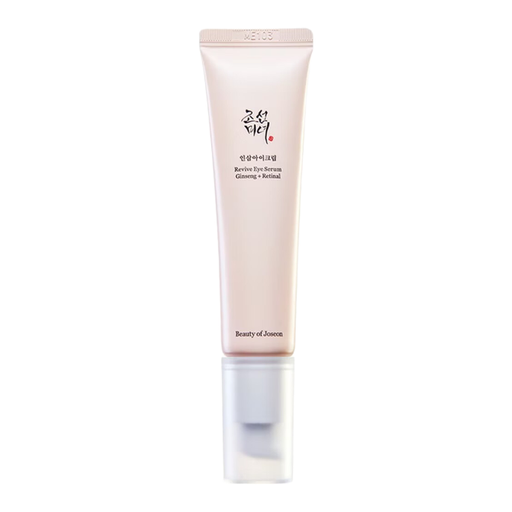
Why this product suits this profile: This serum is aimed at those who prefer a lighter texture and a Korean eye cream with ginseng and retinal. According to the product description, it’s suitable for all skin types and contains 30 ml.
The product description identifies the vitamin A ingredient as retinal, rather than referring to it as retinol in general. The full INCI list is available so you can check how it fits with your existing skincare.
The INCI list includes ginseng extract, niacinamide, ceramide NP and sodium hyaluronate; the pump and 30 ml size make it easier to dispense the right amount.
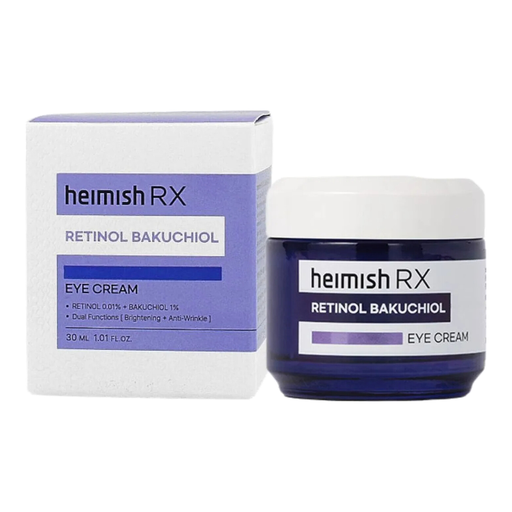
Why this product suits this profile: This formula may appeal if you’re looking for a richer eye cream with a metal applicator. According to the product description, it contains 0.01% retinol, 1% bakuchiol, 5% niacinamide and 30 ml of product.
The concentrations of retinol and bakuchiol are clearly stated. The metal applicator is a feature for application, but it doesn’t replace careful use or checking how your skin responds.
Niacinamide, hyaluronic acid, shea butter and macadamia oil, according to the product description; metal applicator for a controlled massage motion.
We’ve put together a complete, regularly updated list of products that meet these strict selection criteria and fully comply with the safety regulations in force in the EU.
For most retinol or retinal products, we recommend the following approach:
If you’re pregnant or breastfeeding, have a diagnosed skin condition or are unsure about using vitamin A products, seek medical advice before applying them. Cosmetic products aren’t intended to treat medical conditions.
It depends on the formula and your individual skin. A product with a clearly stated, low concentration or instructions to introduce it gradually can make it easier to get started. Don’t use the cream every day at first.
Check the best-before date, the open-jar symbol and the information on the packaging. Store vitamin A products in a cool, dry place away from direct sunlight. If the smell, colour or consistency changes, stop using the product.
Products containing caffeine, moisturisers or ingredients described as brightening are often marketed as eye cream for dark circles or eye cream for puffiness. However, visible results depend on the cause and your individual skin. Skincare can help improve the appearance of the eye area, but it’s no substitute for medical advice if symptoms persist.