
Lieferung heute & morgen

Qualitätsgarantie

Willkommens-Angebote freischalten: KOSTENLOSE Lieferung | Bis zu 80 % RABATT | Kostenlose 30-Tage-JoyPlus-Testphase
App herunterladen
Sensitive skin does not react equally well to every face moisturiser. Tightness, dry patches, redness or a burning sensation can occur when a formula contains too many fragrances, drying alcohols or active ingredients. At the same time, not every face cream marketed as “soothing” is automatically suitable for a weakened skin barrier.
When buying a face cream for sensitive skin, the specific formulation, texture and intended use are therefore more important than grand marketing claims. The following criteria can help you find suitable everyday skincare.
Ceramides, hyaluronic acid, panthenol and centella are popular ingredients for dry and sensitive skin. However, their mere presence does not indicate whether the complete formula will suit your skin. Essential oils, fragrances and numerous plant extracts can also be problematic for some people.
You should therefore check the full INCI list on the packaging. Fragrances are often listed as “Parfum” or through individual fragrance allergens that must be declared.
A very firm, occlusive cream may feel comfortable on dry skin, but can feel heavy on combination or oily skin. A lightweight gel cream may not be enough for pronounced dryness. What matters is whether you use the texture regularly and in a sufficient amount.
An anti-ageing face cream containing retinol or vitamin A derivatives is not automatically suitable for irritated skin. Retinol should be introduced gradually. If irritation is already present, a simple moisturising and barrier-supporting cream is usually the more cautious choice. During the day, your routine should also include suitable sun protection.
For a face cream for dry skin, several groups of ingredients can be beneficial:
The ingredient’s position in the INCI list provides a rough indication of the amount present, but does not replace an individual tolerance test.
For highly reactive skin, fragrance-free formulas can be a practical starting point. This is particularly useful if you are already using several products at the same time. With products containing retinol, essential oils, high concentrations of niacinamide or numerous plant extracts, a patch test on a small area of skin is recommended.
A Korean face cream or K-Beauty moisturiser may offer interesting ingredient combinations. However, its origin alone is not proof of quality. The specific INCI list, usage instructions and information on the original packaging remain the key factors.
Jars provide easy access, but expose the product to repeated contact with air and fingers. Tubes or pump dispensers may be more practical to use on sensitive skin. You should also check:
If you are unsure, start by using a new product just once a day and in a small amount.
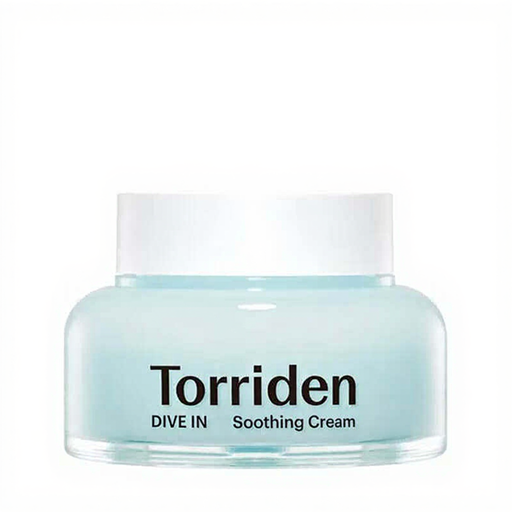
Why this product suits the profile: The 100ml size and lightweight cream base are ideal for beginners looking for a daily face moisturiser containing several forms of hyaluronic acid.
Its clear focus on hydration makes it easy to get started without introducing a retinol ingredient.
Contains panthenol, allantoin and several hyaluronic acid derivatives; 100ml fill quantity.
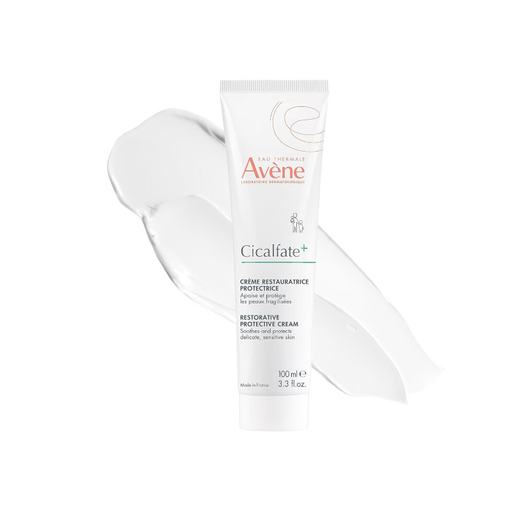
Why this product suits the profile: The 100ml tube is practical for anyone who wants to apply a more protective cream specifically to dry or stressed areas of the face.
Using it as targeted protective skincare means you do not need to apply a very rich texture all over your face.
Contains glycerin, zinc oxide and a rich cream base; 100ml tube.
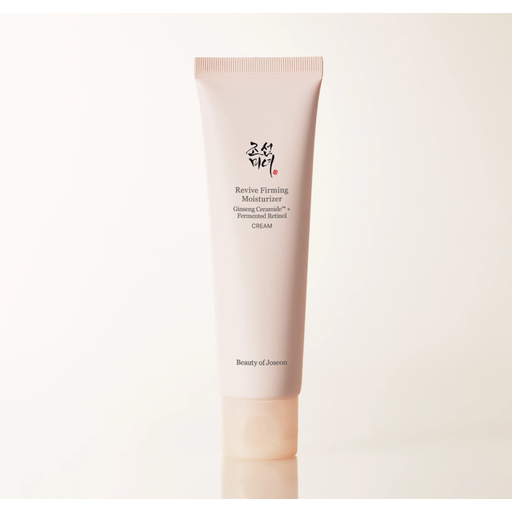
Why this product suits the profile: The gel cream combines retinol with ginseng and Ceramide and is aimed at people who want to introduce active skincare into their routine carefully.
The lightweight texture and clearly stated retinol focus show that gradual introduction is more appropriate than immediate daily use.
60ml contents; gel cream texture; contains retinol and Ceramide according to the product information.
We have put together a complete, regularly updated list of products that fully meet these strict selection criteria and the safety regulations applicable in the EU.
Apply the cream after cleansing to slightly dry skin or, if recommended by the manufacturer, to slightly damp skin. Start with a small amount. If your skin is dry, applying a second thin layer to particularly stressed areas may be helpful.
If you have sensitive skin, carry out a patch test. For example, test the product on a small area of your forearm or behind your ear and observe your skin. If persistent redness, itching, burning or swelling occurs, stop using the product. Cosmetic skincare is not a substitute for dermatological assessment if symptoms persist or are severe.
Look for humectants such as glycerin and hyaluronic acid, as well as nourishing lipids such as ceramides, squalane or shea butter. A fragrance-free formula with a manageable INCI list can make choosing easier. Individual tolerance remains the deciding factor.
Many moisturisers are intended for use in the morning and evening. If you have sensitive skin, test a new product once a day at first and use a small amount. The specific instructions on the packaging take precedence.
The period-after-opening symbol is the key reference point, usually shown as an open jar symbol with a number of months. You should also monitor the product’s smell, colour and consistency. If there are noticeable changes or the stated period has expired, do not continue using the product.