
Lieferung heute & morgen

Qualitätsgarantie

Willkommens-Angebote freischalten: KOSTENLOSE Lieferung | Bis zu 80 % RABATT | Kostenlose 30-Tage-JoyPlus-Testphase
App herunterladen
For many, the day doesn't truly begin without a cup of freshly brewed drip coffee. But choosing the right paper filter can be surprisingly complex. An ill-fitting or low-quality filter not only compromises the flavour but can also create unnecessary hassle in the kitchen. As your Joybuy Product Recommendation Officer, I'm here to help you navigate the common pitfalls and make an informed decision.
Before you buy a new supply, it's important to be aware of two common frustrations that often stem from overlooked product details.
The good news is that these problems are easily avoidable by paying attention to a few key features.
To ensure you get the right drip coffee filters, you should check three core parameters.
The most common size for standard home coffee makers is size 4 coffee filters, often labelled as 1x4 filter bags. This designation is standardised and describes a filter designed for brewing approximately 8 to 12 cups of coffee. The "1" refers to the coffee maker, and the "4" indicates the filter size. Check the specifications on your coffee maker or the old filter box to avoid buying the wrong size. Smaller machines often require size 2, while larger systems may need size 6.
Paper coffee filters come in two main types: white (bleached) and brown (unbleached coffee filters).
A crucial quality indicator for tear-proof coffee filters is the construction of the seam. Look for filters with a double-crimped seam (double seam). This structure gives the filter significantly more stability and prevents it from giving way and tearing under the weight of wet coffee grounds and water.
Here are some recommendations tailored to different needs and households.
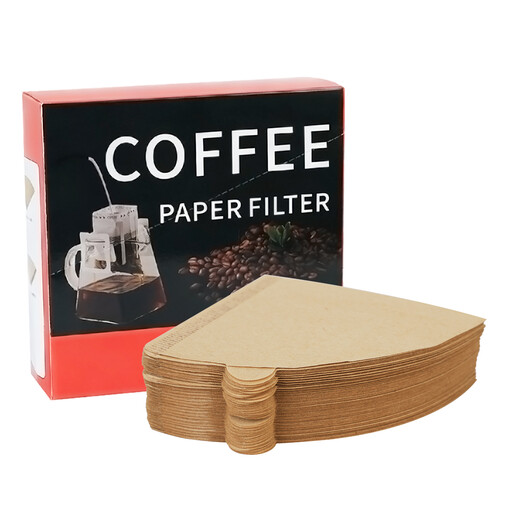
Why This Fits Their Persona: Ideal for offices or families who drink coffee daily and need a reliable supply. The focus here is on value for money without compromising on essential functionality.
The standard size 4 cone shape ensures compatibility with most common drip coffee makers, thus preventing the classic mistake of buying the wrong fit.
The bulk pack of 100 filters provides a long-lasting supply. The natural paper is designed for clean filtration without leaving coffee grounds behind.
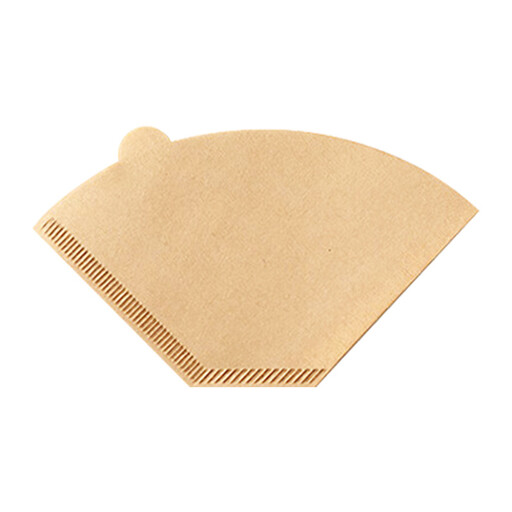
Why This Fits Their Persona: For coffee drinkers who prioritise an unadulterated aroma above all else. The material and construction are designed to preserve the pure taste of the coffee bean.
By using unbleached wood pulp, it avoids the typical papery aftertaste that can occur with some bleached filters.
The adhesive-free construction and high heat resistance ensure a clean and safe extraction. The fine paper texture allows for even filtration.
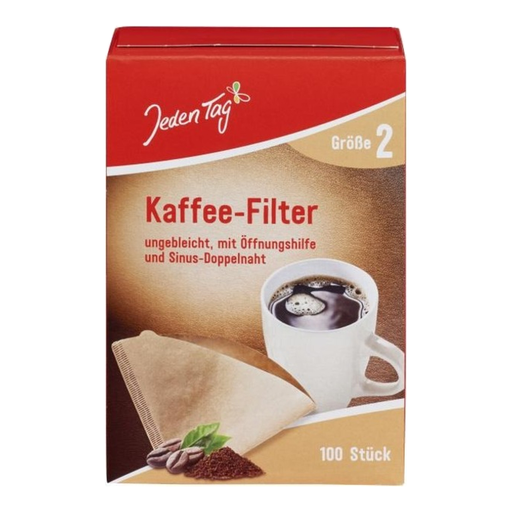
Why This Fits Their Persona: This product is an excellent choice for users of smaller filter machines or pour-over systems who prepare smaller quantities of coffee and require a precise fit.
By offering a specific, smaller size, it solves the problem of filters that are too large, which can fold over or collapse in small machines.
The double seam ensures high tear resistance, while the unbleached paper supports a pure coffee flavour. Perfectly sized for size 2 machines.
We have compiled a complete, up-to-date list of products that fully meet these strict selection criteria and quality standards.
The "1x4" designation is a standardised size indicator. The "1" refers to its use in a drip coffee maker, while the "4" specifies the actual filter size. Size 4 is designed for brewing up to 1.25 litres of coffee (approx. 8-12 cups) and fits most standard coffee makers.
Many users report that unbleached coffee filters allow for a purer coffee taste because they do not undergo a bleaching process, thus eliminating potential flavour alterations from chemical residues. Ultimately, perception is subjective, but unbleached filters are a safe bet for anyone who values an unadulterated flavour.
To maximise stability, you should fold the filter's crimped seams before placing it in the machine. Another tip is to briefly wet the empty paper coffee filter with hot water after placing it in the filter basket. This helps it adhere to the sides and further minimises the risk of tearing during the brewing process. However, choosing a filter with a double seam is the most important preventive measure.