
Lieferung heute & morgen

Qualitätsgarantie

Willkommens-Angebote freischalten: KOSTENLOSE Lieferung | Bis zu 80 % RABATT | Kostenlose 30-Tage-JoyPlus-Testphase
App herunterladen
The search for the right skincare can often feel like navigating a jungle of marketing promises. Countless products advertise revolutionary ingredients and instant results, but they frequently lead to disappointment and unnecessary spending. As your Joybuy Product Recommendation Officer, I'll help you define clear criteria for your selection and find products that truly match your needs.
Before we look at specific recommendations, let's highlight the most common pitfalls that lead to purchase mistakes:
To make an informed decision, you should focus on objective criteria rather than advertising claims. Here are the three most important aspects to check.
The International Nomenclature of Cosmetic Ingredients (INCI) lists all of a product's components in descending order of their concentration.
Effective sunscreen for the face and body must protect against both types of UV rays.
The product's base is crucial for its compatibility and results.
Instead of making a one-size-fits-all recommendation, we have selected products for specific user profiles and their needs.
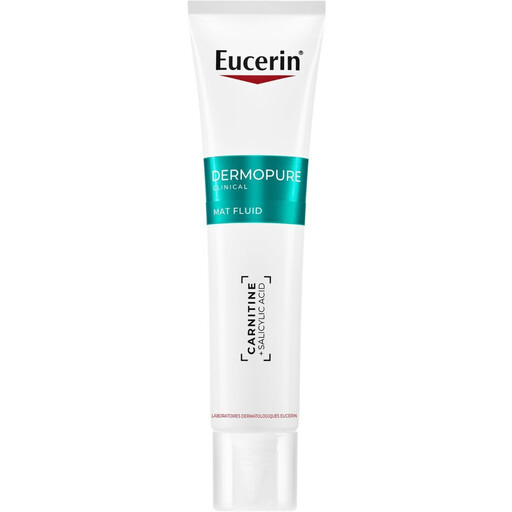
Why This Fits Their Persona: Designed for those seeking an effective face cream for oily skin that moisturises without causing shine or clogging pores.
This product avoids the "for all skin types" trap by being specifically designed for oily and acne-prone skin. The formulation is non-comedogenic and tailored to the specific needs of this skin type.
Provides an 8-hour anti-shine effect, according to the manufacturer. Contains Salicylic Acid, which can help refine the skin's texture, and L-Carnitine to regulate sebum production.
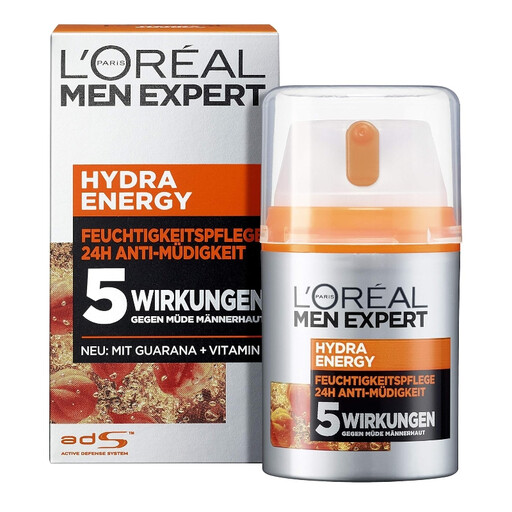
Why This Fits Their Persona: A straightforward solution for men's skincare. This lightweight gel-cream product fights signs of fatigue, hydrates, and absorbs quickly without leaving a greasy film.
Instead of a vague "anti-fatigue" promise, this product names specific ingredients like Guarana and Vitamin C, known for their energising properties. It is specifically targeted at the needs of tired male skin.
According to the manufacturer, it combats 5 signs of tired skin (dull complexion, dark circles, tightness, roughness, loss of firmness). It can also be used as an after-shave to soothe the skin.
We have compiled a complete, up-to-date list of products that fully meet these strict selection criteria and UK safety regulations.
1. How often should I apply my skincare products? A basic routine consists of morning and evening application on cleansed skin. In the morning, a moisturiser followed by a broad-spectrum sunscreen is essential. In the evening, the focus is on cleansing and using regenerating or treatment products. Sunscreen should be reapplied every two hours during prolonged sun exposure.
2. Can I mix and match products from different brands? Yes, this is generally possible. The important thing is that the products suit your skin type. Caution is advised when combining products with potent active ingredients (e.g., retinol, vitamin C, acids). It is recommended to introduce new products one at a time and perform a patch test to rule out skin reactions.
3. What is the difference between a face moisturiser and a body lotion? The main difference lies in the formulation. A moisturiser for the face is often lighter, non-comedogenic, and contains higher concentrations of specific active ingredients for the more delicate facial skin. A body lotion is typically richer and formulated for the thicker skin on arms and legs to provide moisture over a larger area. Using a body lotion on the face can lead to breakouts for some skin types.