
Lieferung heute & morgen

Qualitätsgarantie

Willkommens-Angebote freischalten: KOSTENLOSE Lieferung | Bis zu 80 % RABATT | Kostenlose 30-Tage-JoyPlus-Testphase
App herunterladen
Smart sports glasses with a camera combine several devices in one frame: a camera, sunglasses or prescription glasses, Bluetooth connectivity and often open-ear audio. For cyclists, mountain bikers, hikers and content creators, this can be practical because it keeps your hands free. At the same time, models vary considerably in terms of video format, app compatibility and wearing comfort.
Specifications such as 3K video, 16-MP camera or 3K60FPS may sound clear at first. However, what really matters is the conditions under which these figures are available. For example, a high frame rate may only work with certain smartphones or operating systems. Actual stability on bumpy cycling routes also depends on EIS image stabilisation, the field of view and how securely the glasses fit.
Cycling glasses with Bluetooth and open-ear audio generally leave your ears free to hear ambient sounds. This is an important design feature for outdoor activities, but it does not mean that music, phone calls or walkie-talkie communication make every situation safe. On the road and on technically challenging routes, your full attention should remain focused on your surroundings.
Smart glasses with a camera usually require the manufacturer’s app for setup, file transfers and AI video editing. Before buying, check the following:
According to the product specifications, recording in 3K60FPS on the BleeqUp Ranger is currently limited to iOS with an iPhone 14 or newer and a compatible iOS version. Actual support may vary depending on the device and app version.
For dynamic cycling and mountain biking footage, megapixels are not the only factor that matters. Look out for:
On longer rides, every detail matters when it comes to comfort on your face. The BleeqUp Ranger is listed with a weight of 49 g and a TR90 frame. Also check the following:
A photochromic lens can adapt to different lighting conditions. This is useful on routes that move between woodland, open stretches and cloudy skies. Nevertheless, the available tint and light-transmission range should be compared with how you personally intend to use the glasses.
According to the product data, the Ranger has a 260-mAh lithium-ion battery and a magnetic charging cable. Before buying, check the expected recording time, charging options and the app’s storage capacity. The stated operating temperature is 0 °C to 40 °C. The device must not be immersed in liquids or opened yourself.
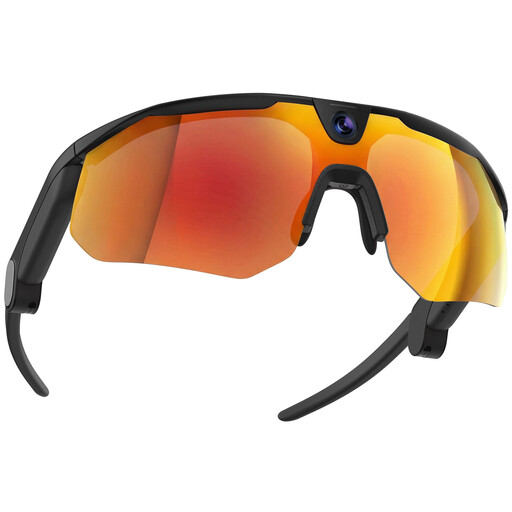
Why this product suits this profile: The combination of a camera, Bluetooth and open-ear audio is aimed at users who want to try several functions in one device without attaching a separate action camera to their helmet.
The product description clearly states the resolution, image stabilisation, app setup and compatibility. This makes it possible to check the relevant requirements before buying.
Sony 16-MP camera, 3K60FPS according to the product specifications, EIS, 120° field of view and open-ear audio; weight according to the datasheet: 49 g.
Why this product suits this profile: The ZEISS lens option is appealing to users who value a particular lens choice alongside smart features.
The lens option is clearly specified. Buyers should also check the desired app version and whether 3K60FPS is available for their smartphone.
ZEISS lens option according to the product name, 16-MP camera, EIS, AI video editing and integrated Bluetooth functions.
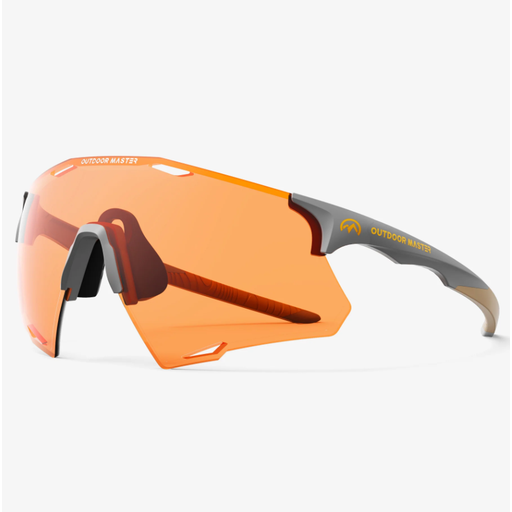
Why this product suits this profile: For users who do not need a camera during frequent rides but are looking for lightweight cycling glasses with UV400 protection and an adjustable fit.
Its clear focus on essential functions means you do not pay for camera or app features that you will not use in everyday life.
Weight of 25.5 g, polarised polycarbonate lenses, UV400 protection, ventilation and adjustable nose pads according to the product data.
We have put together a complete, regularly updated list of products that fully meet these strict selection criteria and the safety regulations applicable in the EU.
First, charge the glasses using the supplied charging cable. Then install the appropriate manufacturer’s app, activate Bluetooth and follow the pairing instructions. Next, check the firmware, storage options and video format. A short test away from road traffic will show whether the fit, viewing angle and audio settings are right.
Battery life depends on the resolution, frame rate, stabilisation, audio and ambient temperature. Without specific information from the manufacturer, it is not possible to determine a reliable operating time. For longer rides, we recommend fully charging the glasses before setting off and checking the recording time in the app.
Use depends on the situation, the purpose of the recording and data protection law. Covertly recording other people may create legal issues. Inform anyone involved, avoid private areas and do not use the camera in situations that require your full attention, such as driving in road traffic.