
Same-day & Next-day Delivery

Quality Guaranteed

Unlock Your Welcome Offers: FREE Delivery | Up to 80% OFF | Free 30-day JoyPlus trial
Download the APP
By Joybuy Product Recommendation Officer, August 30, 2026
A good pair of cycling glasses is more than just a fashion statement. They protect your eyes from UV radiation, wind, insects, and airborne debris. But the market is crowded and full of marketing promises that often confuse more than they help. Many cyclists invest in new sports sunglasses, only to find after a few rides that they slip, fog up, or provide inadequate vision in changing light conditions.
To help you avoid a bad purchase, we'll highlight the most common pitfalls and show you which technical features truly matter.
The 3 Most Common Traps When Buying Cycling Glasses:
To make the right choice, you should focus on objective, technical parameters rather than marketing buzzwords.
The choice of lenses is the most critical decision. There are two leading technologies for different needs:
Modern performance cycling glasses should be barely noticeable. The frame material plays a crucial role here.
Beyond UV protection, mechanical protection is a key aspect. The lenses should be made of polycarbonate (PC), as this material has high impact resistance and protects the eyes from stone chips or branches. A large, frameless or half-frame design also offers an unobstructed peripheral field of view, which enhances safety on the road or trail.
Based on the quality criteria mentioned, we have identified several models that represent a well-designed solution for specific user profiles.
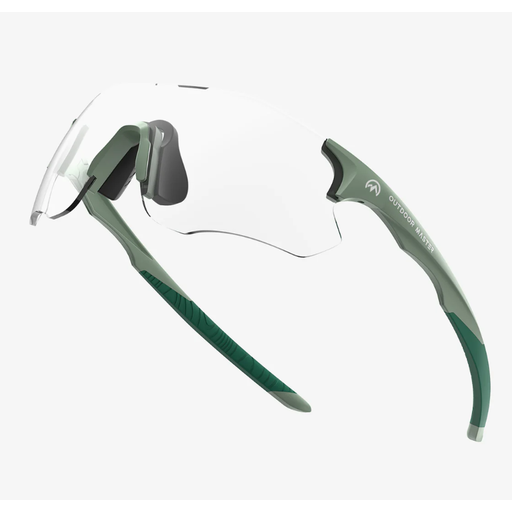
Why This Fits Their Persona: Ideal for riders whose tours take them through forests, open terrain, and at different times of the day. The glasses adapt seamlessly without the need to change lenses.
It solves the problem of unsuitable tints with photochromic technology that adapts from Category 0 to 3. The TR90 frame avoids the pitfall of a brittle, unstable frame.
Automatic tint adjustment to light conditions. Lightweight and flexible TR90 frame with a non-slip grip.
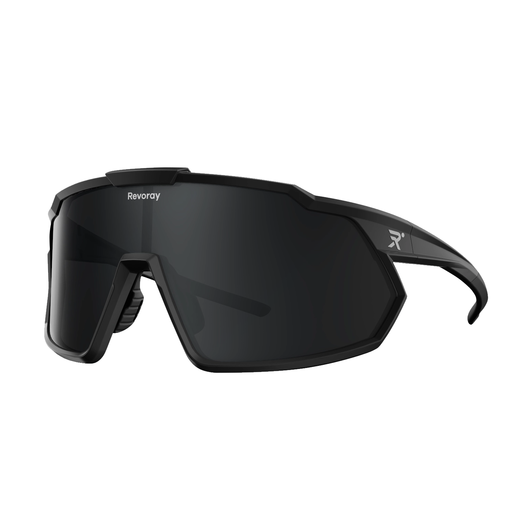
Why This Fits Their Persona: Perfect for road cyclists and triathletes who ride at high speeds on sunny roads. The polarized lenses minimize glare and allow for full concentration.
It offers superior optical clarity with HD TAC polarized lenses compared to simple tinted lenses. The ANSI Z87.1 certification proves tested impact resistance.
Effective glare reduction, an ultralight design at approx. 33g, and adjustable, non-slip nose pads for a stable fit.
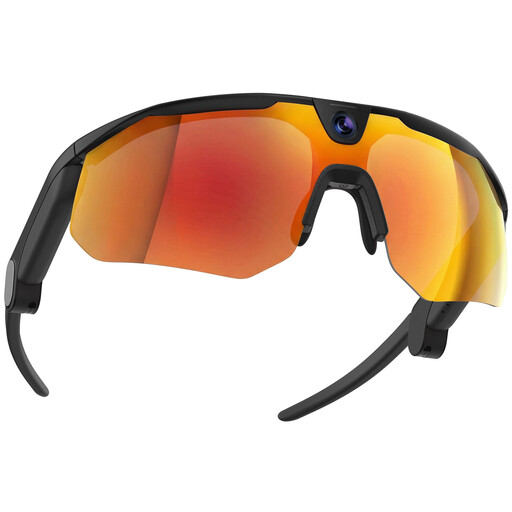
Why This Fits Their Persona: For the cyclist who wants to capture their rides from a first-person perspective without having to mount a separate action camera. These glasses with a camera integrate recording, audio, and protection.
This is a highly specialized product that goes far beyond basic functions. It combines high-quality protective eyewear with a full-fledged camera, thus avoiding the compromise between protection and documentation.
Integrated 3K camera with a Sony sensor and image stabilization. Open-ear audio allows you to listen to music while hearing ambient sounds.
We have compiled a complete, up-to-date list of products that fully meet these strict selection criteria and safety regulations.
In short: Polarized lenses are specialists for fighting glare. They filter reflections from wet roads or water surfaces and enhance contrast. Photochromic (self-tinting) lenses are all-rounders for changing light conditions. They automatically adjust their tint to the UV intensity and are ideal for rides that pass through both sunny and shaded sections.
To protect the lens coatings and frame material, you should rinse the glasses with lukewarm water after every ride to remove sweat and dust. For drying and cleaning, use only the provided microfiber cloth. Avoid harsh cleaning agents or paper towels, as they can scratch the surface. Store the glasses in their hard-shell case when not in use.
Yes, absolutely. The requirements for good sports eyewear are similar across many outdoor activities. A high-quality pair of performance cycling glasses, due to its low weight, secure fit, and UV protection, is also excellent for running, hiking, beach volleyball, or fishing.