
Lieferung heute & morgen

Qualitätsgarantie

Willkommens-Angebote freischalten: KOSTENLOSE Lieferung | Bis zu 80 % RABATT | Kostenlose 30-Tage-JoyPlus-Testphase
App herunterladen
A high-quality soap dispenser is more than just a container. It creates an orderly space at the sink, reduces plastic waste, and adds a deliberate touch of style to your bathroom or kitchen. However, the sheer number of options can quickly become overwhelming. Many models that seem impressive at first prove to be impractical after a short time. As your Joybuy Product Recommendation Officer, I'm here to help you identify the common pitfalls and make an informed decision.
Before you settle on a design, it's important to understand the functional weaknesses that often only become apparent with everyday use.
To avoid buyer's remorse, you should check three key aspects. These will determine the longevity and functionality of your new dispenser.
The material affects not only the look but also the stability and maintenance.
A good refillable pump dispenser lives and dies by its pump. Pay attention to the pump head: models made of stainless steel are generally more durable than plastic-coated versions. A sufficiently wide inner tube is crucial to ensure that even viscous dish soap is dispensed smoothly and the pump doesn't clog.
The shape should fit the available space. A dispenser with a wide base is inherently more stable. Also, check the capacity. A container that's too small for a bathroom soap dispenser used by several people will need constant refilling. For the kitchen, where the dispenser is used more frequently, models with a capacity of 300 ml or more are recommended.
Here are some recommendations tailored to different needs and interior styles.
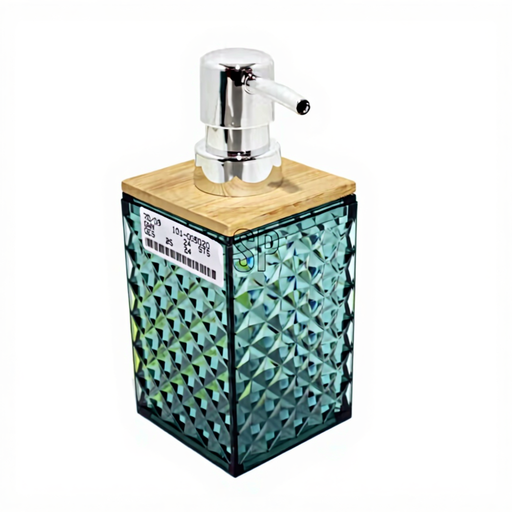
Why it's a great fit: This model focuses on the essentials: reliable function in a straightforward design. It's ideal for anyone looking for a durable, low-maintenance solution for the kitchen or bathroom without compromising on functionality.
The durable PS plastic material is shatterproof and resilient, unlike fragile ceramic or glass. The simple pump mechanism is designed for standard liquid soaps and dish liquids.
Durable material and a compact shape that fits on almost any sink. With a 300 ml capacity, it offers a good balance between size and refill frequency.
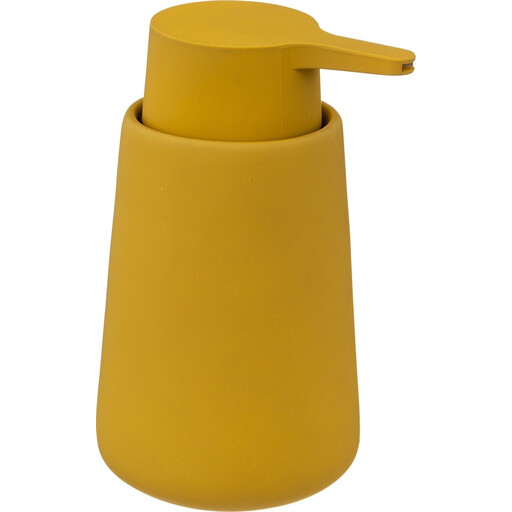
Why it's a great fit: For those who see a soap dispenser as a decorative object. The bold colour and solid ceramic make this dispenser a real eye-catcher, bringing personality to the bathroom or kitchen.
The solid ceramic body, weighing 350g, provides excellent stability and prevents the tipping common with lighter dispensers. The design is not just visually appealing but also functionally weighted.
A unique retro design combined with the premium quality of ceramic. With a 365 ml capacity, it is also generously sized.
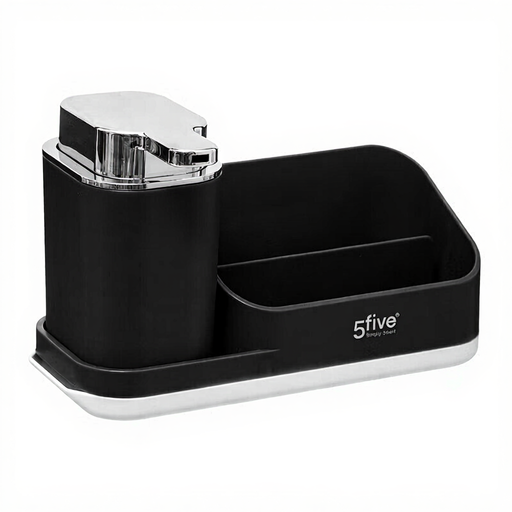
Why it's a great fit: The deep black, matte finish and clean lines make this dispenser an ideal complement to a modern, uncluttered space. It integrates seamlessly into minimalist bathroom concepts.
The thoughtful, slim design features a stable base, avoiding the typical instability of tall, narrow dispensers. The matte surface is also more resistant to fingerprints and water spots.
An elegant, understated design that creates a sense of order. The high-quality finish ensures a pleasant feel and durability in daily use.
We have curated a comprehensive selection of dispensers that meet our criteria for functionality and design.
For a long lifespan, it's recommended to rinse the dispenser with warm water every time you refill it. To clean the pump mechanism, pump clear water through it until no soap residue comes out. For stubborn clogs, it can help to soak the pump head in a mixture of warm water and vinegar for about 30 minutes, then rinse it thoroughly.
In the kitchen, where the dispenser is often handled with wet hands and the risk of being knocked over is higher, durable materials are a major advantage. High-quality plastic (like ABS or PS) and stainless steel are very practical here, as they are shatterproof and easy to clean. A ceramic soap dispenser can be a stylish alternative, but it requires more careful handling.
Not necessarily. Alcohol-based sanitisers can corrode certain plastics or the seals inside the pump head, causing damage over time. Check the manufacturer's specifications to see if the material is suitable for alcohol-based liquids. Dispensers explicitly designed for sanitiser, often featuring a spray function, are a more reliable choice.