
Lieferung heute & morgen

Qualitätsgarantie

Willkommens-Angebote freischalten: KOSTENLOSE Lieferung | Bis zu 80 % RABATT | Kostenlose 30-Tage-JoyPlus-Testphase
App herunterladen
Sensitive facial skin often reacts to changes in the weather, dry central-heating air, shaving, new skincare products or an overloaded routine. A soothing face cream for sensitive skin should therefore do more than create a pleasant skin feel. It should also suit your individual skin needs, texture preferences and ingredient list.
However, many purchasing decisions fall into three typical traps:
A fragrance-free face cream can be a sensible option for sensitive skin if fragrances are problematic in your personal skincare routine. The product description alone is not enough: the current INCI list on the packaging is what matters, as formulations can change.
For daily hydration, you will often find glycerine, hyaluronic acid, panthenol, squalane or beta-glucan. Ceramides, cholesterol and certain fatty acids are often used in formulations designed to care for the skin barrier. However, no single ingredient guarantees individual compatibility.
A lightweight gel cream may be suitable for oily, combination or blemish-prone skin. Richer formulations containing oils, shea butter or a higher lipid content are more suitable for dry, tight-feeling skin. If you are looking for a soothing cream for blemish-prone skin, pay particular attention to the consistency and your individual reaction, as well as the moisturising effect.
How you apply it matters too: a cream should spread evenly without requiring vigorous rubbing. In the morning, sensitive skin should also be protected with a suitable sunscreen.
Terms such as Barrier Repair Cream, “anti-redness cream” or “for rosacea-prone skin” describe the intended skincare focus, but are not evidence of a medical effect. Claims such as “clinically tested” should be attributed to the relevant supplier. For example, the SOS Derma Care Anti-Redness Face Cream Acute is stated to have undergone clinical testing for efficacy and skin compatibility; the specific study conditions and results should be checked directly on the product packaging or with the manufacturer.
Before using a product for the first time, a patch test on a small area of skin is recommended. Stop using it if you experience burning, itching, swelling or increasing redness.
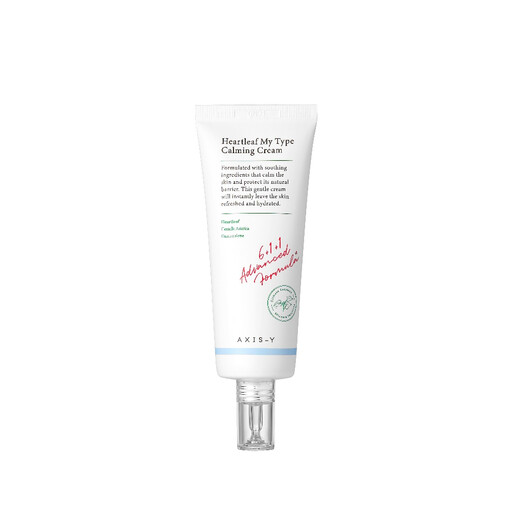
Why this product suits this profile: According to the product description, the lightweight gel cream with 60 ml is intended for sensitive, oily and blemish-prone skin. It can be easily incorporated into a simple morning and evening routine.
The water-based texture is described as fast-absorbing and leaving no greasy residue. This reduces the risk of skincare feeling too heavy on combination skin.
The stated INCI list contains heartleaf, Centella asiatica extract, glycerine and hyaluronic acid. The product is described as vegan and certified cruelty-free.
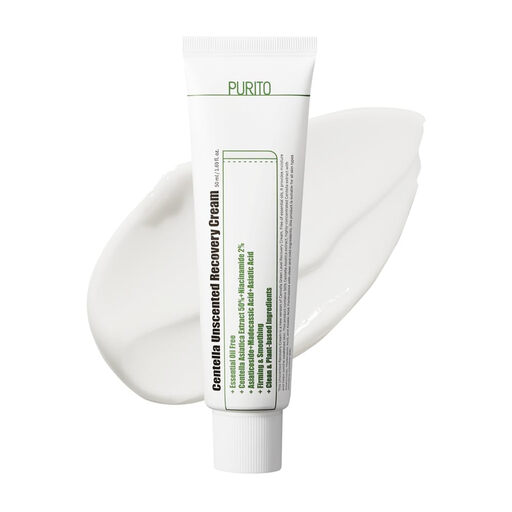
Why this product suits this profile: The fragrance-free formulation combines Centella asiatica with Ceramide NP and squalane. It is designed to provide lightweight care for sensitive and combination skin.
The “Unscented” label and the stated INCI list make it easier to check for added fragrances. The packaging should be checked before purchase to confirm the current formulation.
Ceramide NP and squalane support a lipid-focused skincare routine. The cream also contains niacinamide and Centella asiatica extract.
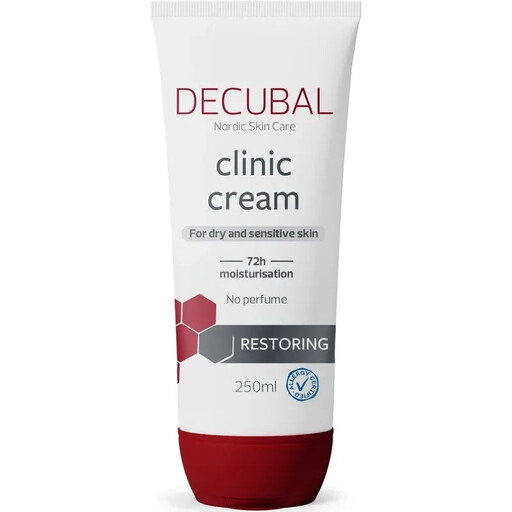
Why this product suits this profile: The large 250-g pack is ideal for anyone who regularly wants to use rich, fragrance-free care on very dry areas of skin.
The formulation is stated to be free from perfume, colourants and parabens. This makes it easier to tailor your skincare more precisely to a streamlined routine.
The stated formulation contains glycerine, dimethicone and lanolin. Its high lipid content is relevant for dry skin, but it may feel too rich on oily skin.
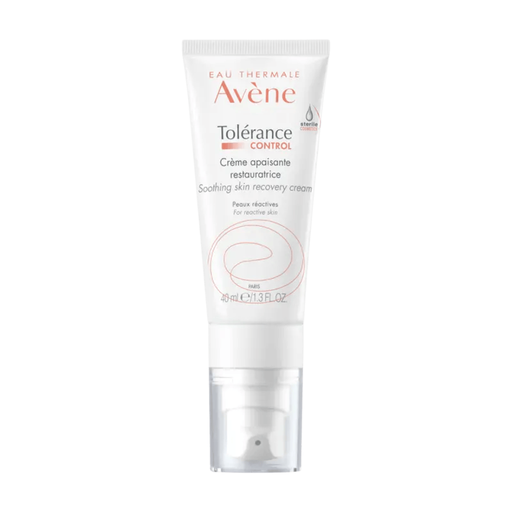
Why this product suits this profile: The cream is described as fragrance-free and preservative-free, and is intended for hypersensitive, reactive or intolerant skin.
The short, clearly structured INCI list supports informed decision-making. Even so, an individual compatibility test before applying it over a larger area remains advisable.
The formulation contains glycerine, squalane and, among other ingredients, a listed extract of Avène Thermal Spring Water. The packaging is described as airtight.
We have put together a complete, regularly updated list of products that fully meet these strict selection criteria and the safety regulations applicable in the EU.
A new cream should initially not be introduced at the same time as several other products. This makes it easier to understand how your skin reacts. After cleansing, a thin, even layer is usually enough. A second small amount may be useful on dry areas, while oily areas require less product.
Shelf life depends on the best-before date, batch information and the symbol indicating the period of use after opening. A tube or pump dispenser may allow more hygienic application than a jar, but it is no substitute for clean hands and proper storage. Heat, direct sunlight and high humidity should be avoided.
That depends on the cause, skin type and individual compatibility. For cosmetic skincare, fragrance-free or low-irritant formulations containing moisturising agents and barrier-supporting ingredients are often worth considering. If redness is recurrent, severe or spreading, you should seek dermatological advice.
Suitable skincare can hydrate the skin and support the barrier as part of your daily routine. Ingredients such as ceramides, squalane, glycerine or panthenol may provide useful indications. However, the effect is individual and cannot be determined from the ingredients list alone.
For sensitive skin, a patch test is advisable before applying the product over a larger area for the first time. The cream should then initially be used for several days as part of a simple routine. If you experience burning, itching, swelling or a noticeable worsening, stop using it and seek medical advice if the symptoms persist.