
Lieferung heute & morgen

Qualitätsgarantie

Willkommens-Angebote freischalten: KOSTENLOSE Lieferung | Bis zu 80 % RABATT | Kostenlose 30-Tage-JoyPlus-Testphase
App herunterladen
Soya milk powder is handy for breakfast, the office, travelling, catering and Asian cooking. Just add warm water for a quick plant-based drink, without having to keep an opened bottle in the fridge. But products can vary considerably in their ingredients, protein content, sweeteners, serving sizes and preparation methods.
If you focus only on claims such as ‘natural’, ‘high in protein’ or ‘no added sugar’, you could easily buy a product that doesn’t suit your everyday needs. The points below will help you compare soya powder objectively and avoid common buying mistakes.
A product may contain no added sucrose but still include maltose syrup, maltodextrin or other sources of carbohydrates. So don’t rely on the front of the pack alone. Check:
According to the product information, a sugar-free soya milk powder such as Joyoung Black Soybean Pure Soy Milk Powder lists black soya beans as its only ingredient. It contains 40 g of protein and 3 g of sugar per 100 g. Other products labelled ‘no added sugar’ may contain ingredients such as maltose syrup or maltodextrin, according to their ingredients lists.
In Germany, nutrition tables usually give values per 100 g of powder. For a practical comparison, work out the amount per serving. For example, 40 g of protein per 100 g works out at about 8 g of protein in a 20 g serving.
That doesn’t mean soya milk powder is automatically a conventional plant-based protein powder for sports. Many products also contain sugar, grains, flavourings or creamer powder, and are intended primarily as drinks. If you’re following a protein-focused diet, check the ingredients list alongside the actual serving size.
Individual sachets of soya milk powder are handy for the office, your rucksack or a single breakfast serving. The powder stays protected until you’re ready to use it, and you don’t need kitchen scales to measure it out. Larger packs can be a good choice for households, cafés or regular use, but need to be stored somewhere dry and handled carefully.
Also check whether the product is instant soya milk or needs to be boiled before drinking. Take the instruction ‘preparation required’ seriously. The water, temperature and amount of powder all affect how well it dissolves, as well as the texture and flavour.
Soya is an allergen that must be declared. If you have a soya allergy, avoid soya milk powder and check for warnings about possible traces, too. Blends containing oats, barley grass, sesame, chia seeds or coconut may include other allergens.
For a clear soya flavour, choose recipes with a high proportion of soya beans. If you’re buying a product for vegan drinks, check that it doesn’t contain milk ingredients. ‘Vegan’ and ‘lactose-free’ don’t mean the same thing: a product can be lactose-free without being vegan.
Compare at least these values:
A serving of 20 to 30 g of powder mixed with 150 to 200 ml of water is common for many products. Always follow the manufacturer’s specific instructions.
These products are often mixed with water at around 60 to 90 °C. Water that’s too cold can make the powder harder to dissolve, while some blends may become lumpier if the water is very hot. A whisk, shaker or electric milk frother can help improve the texture.
Once opened, store the pack in a cool, dry place away from direct sunlight. Drink prepared soya milk straight away or chill it as instructed on the packaging.
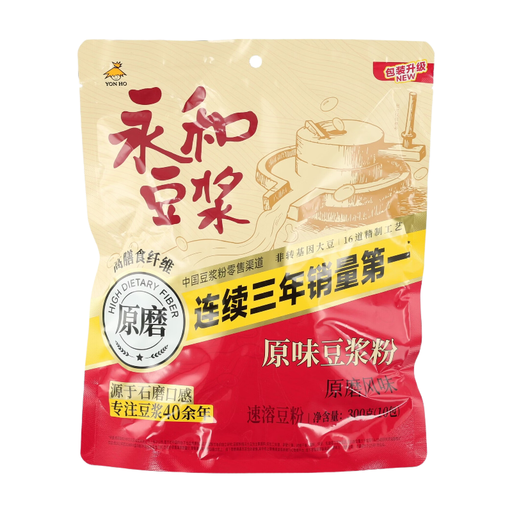
Why this product suits this profile: The 300 g pack is a good size for trying it out or enjoying the occasional cup. According to the product information, mix 20–30 g of powder with around 200 ml of hot water.
The nutritional information clearly lists ingredients such as soya beans, maltodextrin, sugar, calcium carbonate and salt. This helps you assess the recipe before buying.
300 g pack, classic flavour and a recommended serving of 20–30 g.
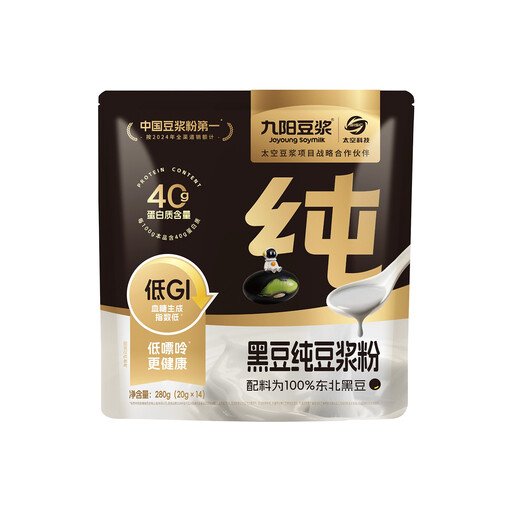
Why this product suits this profile: According to the product information, the recipe lists black soya beans as its only ingredient. The 14 individual sachets make it easy to measure out a consistent serving for breakfast or the office.
Rather than making vague ‘health’ claims, the packaging lists ingredients, allergens and nutritional values. It contains 40 g of protein and 3 g of sugar per 100 g.
280 g in total, 20 g individual sachets and preparation with around 120–150 ml of warm water.
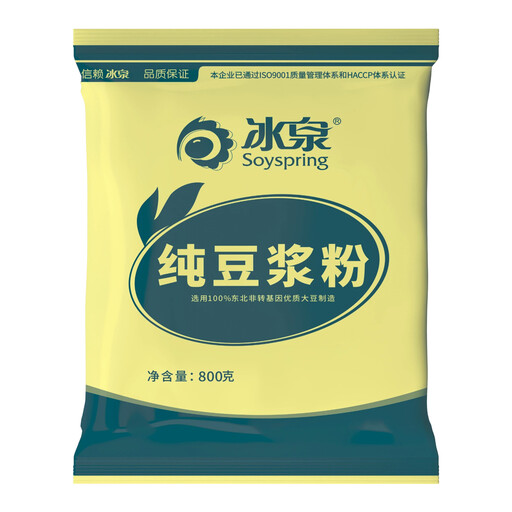
Why this product suits this profile: This larger pack is aimed at households, offices or catering businesses with regular demand. According to the product information, the powder is made from soya beans.
The larger pack means fewer repeat purchases if you use a lot. It also gives a clear guide: 25 g of powder for around 200 ml of water.
800 g pack, 40 g of protein per 100 g according to the nutritional table, and versatile use in drinks, smoothies or recipes.
We’ve put together a complete, regularly updated list of products that meet these strict selection criteria and fully comply with the safety regulations in force in the EU.
Pure or higher-protein recipes are a good choice for a neutral drink. Sweetened versions are better suited to breakfast, desserts or a sweet snack. Fruit blends such as strawberry may have a different sugar profile from classic soya powder, due to added fruit pieces and sweeteners.
Soya milk powder can also be used in batters, sauces and desserts in Asian cooking. For creamy curry dishes, coconut cream powder is another option to consider. According to the product description, KARA Coconut Cream Powder contains 80 % coconut extract, comes in 12 sachets of 50 g each, and is intended as a soya-free, plant-based ingredient for drinks and dishes.
The exact amount is given on the packaging. A common serving is 20 to 30 g of powder mixed with 150 to 200 ml of warm water. Put the powder in your cup first, then slowly pour in the water and stir thoroughly. If there are any lumps, use a shaker or whisk.
The best-before date is shown on the packaging. Once opened, store the powder in a dry place in a well-sealed container. Moisture can affect how freely it pours and how well it dissolves. Drink the prepared beverage straight away or chill it as directed on the pack.
That depends on the recipe. Check the sugar, carbohydrates, sweeteners and recommended serving size. ‘No added sugar’ doesn’t necessarily mean the product contains no sugar or sweetening ingredients. If you have allergies or specific dietary requirements, always check the ingredients list and allergen information.