
Lieferung heute & morgen

Qualitätsgarantie

Willkommens-Angebote freischalten: KOSTENLOSE Lieferung | Bis zu 80 % RABATT | Kostenlose 30-Tage-JoyPlus-Testphase
App herunterladen
Anyone looking to buy sugar-free drinks will find a wide selection today: zero-sugar beverages, sugar-free sports drinks, drink concentrates, sugar-free drink powders and sugar-free energy drinks. Although the names sound similar, these products differ significantly in calories, electrolytes, caffeine, yield and everyday practicality.
As a Joybuy Product Recommendation Officer, I review the most important details from product descriptions and labels so you can assess marketing claims more effectively and choose a drink that suits your routine.
Zero-sugar drinks generally contain no sugar or only very small amounts. However, this alone says nothing about whether a product contains caffeine, sodium, vitamins or sweeteners. A low-calorie drink for your desk is therefore not automatically a suitable electrolyte drink for longer training sessions.
Check the following before buying:
A sugar-free drink concentrate may initially appear more expensive than a ready-made case of drinks. The decisive factor, however, is the actual yield. Some Vital Drink Zero products specify a mixing ratio of 5 ml concentrate to 400 ml water. According to the product information, a 1-litre bottle can therefore produce up to approximately 80 litres of ready-to-drink beverage.
Important: The nutritional values of the concentrate must not be confused with those of the prepared drink. Always check the reference quantity shown in the table.
Sugar-free isotonic drinks often contain sodium and are marketed for sport and fitness. This may be relevant in certain training situations, but it is not a universal mark of quality. For short or low-intensity sessions, water is sufficient for many people. During longer periods of exertion, hydration, sodium, flavour and tolerability can become more important.
Only compare products using the same unit of measurement. For ready-to-drink beverages, the per 100 ml figure is particularly easy to assess. For example, Gatorade Zero Fruit Punch is listed with 1 kcal and 0 g sugar per 100 ml. According to the product data, Powerade Blackcurrant contains 1.43 kcal and 0 g sugar per 100 ml.
For concentrates, the prepared serving is what matters. Depending on the variant, Vital Drink Zero is advertised at approximately 2 kcal per 400 ml serving. Check the exact dosage and the label for the specific flavour before buying.
For sugar-free sports drinks, electrolytes are an important comparison point. Powerade Blackcurrant, for example, lists sodium or salt in its nutritional information. Gatorade Zero Fruit Punch also lists salt and sodium compounds among its ingredients.
Several products contain vitamins such as B1, B6 or niacin. Permitted nutrition and health claims refer to legally defined wording, such as contributing to normal energy metabolism. They should not be interpreted as having a medical or therapeutic effect.
The right packaging depends on how you plan to use the product:
Storage is also important for concentrates. Several Vital Drink Zero products should be refrigerated after opening and consumed within eight weeks. The product must not be consumed undiluted.
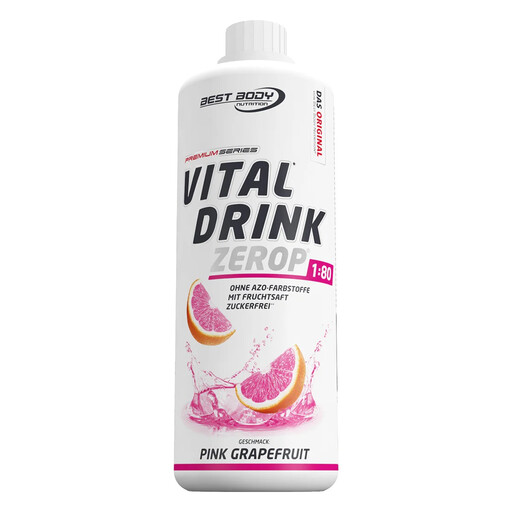
Why This Fits Their Persona: The 1-litre concentrate is ideal for people who prepare multiple servings throughout the day and want to reduce their reliance on cases of bottled drinks.
The stated yield and mixing ratio make the ongoing beverage volume easier to assess than a simple comparison of pack prices.
1 litre of concentrate, producing up to approximately 80 litres of drink according to the product information; around 2 kcal per prepared 400 ml serving.
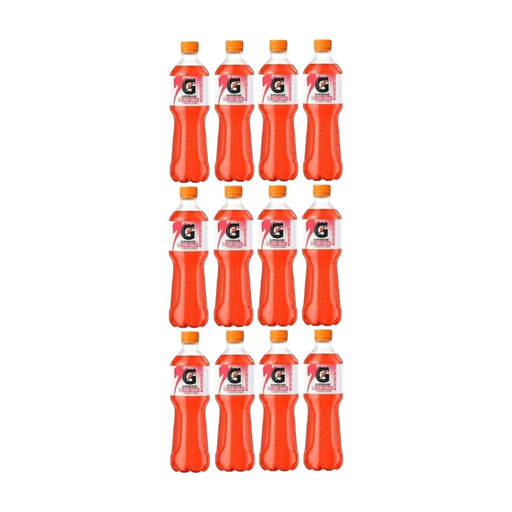
Why This Fits Their Persona: Suitable for users who prefer a ready-to-drink sports beverage with clearly stated calorie, sugar and salt values.
The product data specifies 1 kcal, 0 g sugar and 0 g carbohydrates per 100 ml. This makes the actual serving easy to assess.
12 bottles of 500 ml each; sodium compounds and salt are listed in the ingredients or nutritional information.
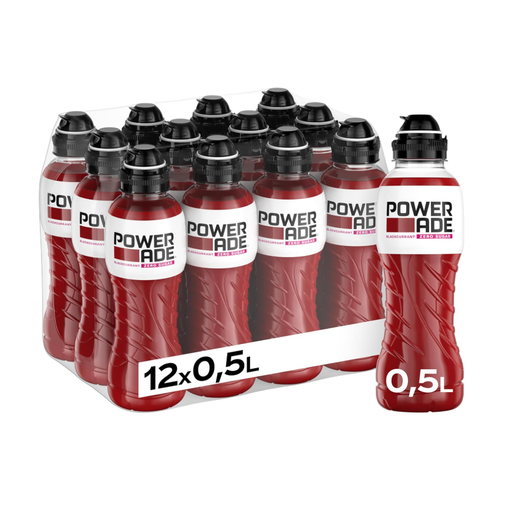
Why This Fits Their Persona: Designed for endurance athletes who want to plan a ready-to-drink bottle with electrolytes before, during or after longer sessions.
The bottles require no mixing or measuring. Sodium and vitamin B6 are clearly specified in the product information.
12 x 500 ml, 0 g sugar per 100 ml according to the nutritional information and approximately 45 mg sodium per 100 ml.
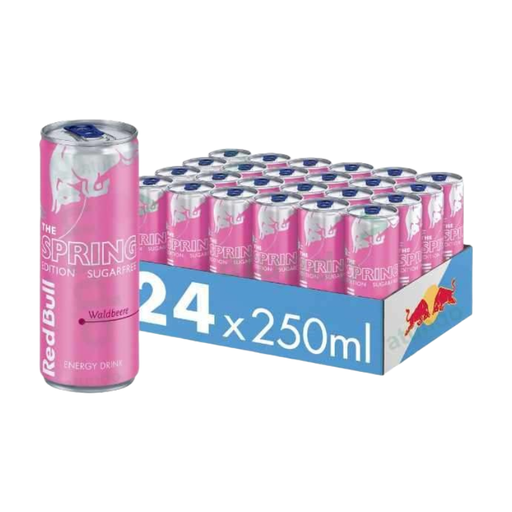
Why This Fits Their Persona: For adults looking for a portioned, sugar-free energy drink on the go while consciously monitoring their caffeine intake.
The caffeine content of 32 mg per 100 ml is clearly stated. This prevents “sugar-free” from being confused with “caffeine-free”.
24 cans of 250 ml each; according to the product data, 0 g sugar and 2 kcal per 100 ml. Not recommended for children, pregnant women or breastfeeding women.
We have put together a current selection of products that take these selection criteria and applicable labelling requirements into account.
Water remains a simple foundation for daily hydration. Sugar-free drinks can add variety in terms of flavour. For products containing caffeine, multiple sweeteners or added vitamins, pay attention to the ingredients list and recommended serving size. For sports sessions, it is also important to check whether the product actually contains electrolytes.
That depends on the yield and dosage. Concentrates such as Vital Drink Zero can produce large volumes of beverages according to the product information, but they require water, measuring and usually refrigeration after opening. Sugar-free drink powder in sticks is easy to transport. Ready-to-drink beverages are immediately convenient, but involve more packaging and transport volume.
The instructions vary by product. For several concentrates mentioned here, the guidance is to refrigerate after opening and consume within eight weeks. The specific label, best-before date and the manufacturer’s storage instructions always take precedence.