
Lieferung heute & morgen

Qualitätsgarantie

Willkommens-Angebote freischalten: KOSTENLOSE Lieferung | Bis zu 80 % RABATT | Kostenlose 30-Tage-JoyPlus-Testphase
App herunterladen
As a Joybuy Product Recommendation Officer, I see every day how difficult choosing the right product can be. Especially when searching for tents and gazebos, many encounter promises that don't hold up in practice. Before you make a decision, it's important to know the typical pitfalls that often lead to disappointment.
Many products look convincing at first glance, but their weaknesses often only become apparent during their first use. Pay special attention to these two points to avoid a bad purchase:
To separate the wheat from the chaff, you should focus on objective, measurable criteria. These three parameters are crucial for the longevity and functionality of your tent or gazebo.
The water column indicates how much water pressure a material can withstand before moisture penetrates. The value is given in millimetres (mm). For use in most European climates, you should consider the following guidelines:
The poles are the skeleton of every tent and gazebo. The choice of material has a direct impact on weight, stability, and durability.
In addition to the material, also pay attention to the diameter and wall thickness of the poles. A 3x3 waterproof pop-up gazebo benefits enormously from a solid steel frame.
Good UV protection is essential if you spend a lot of time outdoors. The fabric of tents and gazebos can be treated with a coating that filters harmful UV rays. The protection factor is often indicated as UPF (Ultraviolet Protection Factor). A UPF 50+ rating means that less than 2% of UV radiation penetrates the material. This not only protects your skin but also slows down the fading and material degradation of the fabric.
Based on these objective criteria, we have identified products that offer a well-thought-out solution for specific use cases.
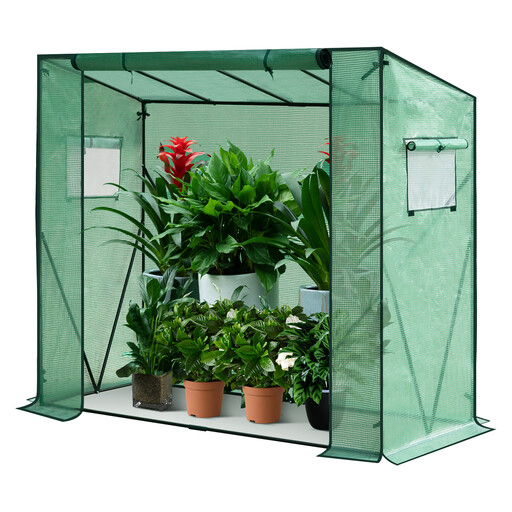
Why This Fits Their Persona: Ideal for gardeners who need a practical and weatherproof solution for growing vegetables like tomatoes. This tomato greenhouse provides protection from wind and rain, creating an optimal growing climate on a patio or in the garden.
The construction, featuring a steel frame and a 130g/m? PE cover, is designed for stability and durability, thus avoiding the trap of flimsy frames. The material specifications are clearly declared.
The semi-transparent PE cover is waterproof, weatherproof, and UV-resistant. Roll-up doors and windows allow for easy ventilation and access to the plants.
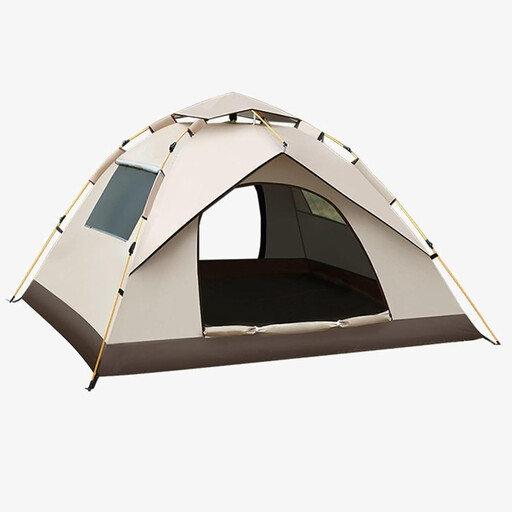
Why This Fits Their Persona: Perfect for festival-goers and weekend campers who value an extremely fast setup. This pop-up tent for 4 people (or 2-3 adults) is ready in no time thanks to its hydraulic system.
It solves the problem of complicated assembly with its automatic system. Furthermore, its waterproof rating is clearly stated with a value of up to 3,000 mm water column, avoiding vague advertising promises.
A quick-setup tent that also protects against bad weather with its double-layer construction. Two doors and windows ensure good ventilation.
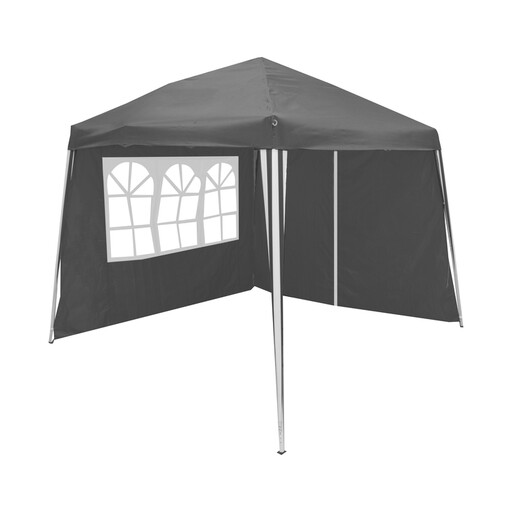
Why This Fits Their Persona: The perfect choice for garden parties, BBQs, or as a flexible shelter. This 3x3 waterproof pop-up gazebo with its two side panels offers additional protection from sun and wind, creating a cosy space for guests.
Compliance with the safety standard EN 13561:2015 for external blinds and awnings signals tested stability. The total weight of 10.8 kg indicates a more robust construction than cheap models.
Offers certified UV protection of UPF50+. The quick setup and included side panels make the gazebo particularly versatile.
We have compiled a complete, up-to-date list of products that fully meet these strict selection criteria and safety regulations.
The water column is a measure of the tent fabric's waterproofness. It indicates how high a column of water (in mm) can be placed on the fabric before the first drops penetrate. A higher value means better waterproofness. For reliable protection against rain, a rating of at least 2,000 mm is recommended.
Always use the included pegs and guy ropes to anchor the gazebo firmly in the ground. Stretch the ropes at a 45-degree angle away from the gazebo to ensure maximum stability. In stronger winds or on hard ground, additional weights on the legs (e.g., bags filled with water or sand) can significantly increase stability.
Yes, the main advantage of pop-up tents or tents with an automatic setup system is that they are designed to be assembled by a single person. The mechanism ensures that the tent unfolds by itself or with just a few simple steps. Folding it back down may take a little practice at first, but after one or two tries, it can also be easily managed alone.