
Lieferung heute & morgen

Qualitätsgarantie

Willkommens-Angebote freischalten: KOSTENLOSE Lieferung | Bis zu 80 % RABATT | Kostenlose 30-Tage-JoyPlus-Testphase
App herunterladen
Anyone who loves authentic Korean street food is no stranger to tteokbokki. This dish, featuring chewy rice cakes in a spicy-sweet gochujang sauce, is a cornerstone of Korean cuisine. However, attempts to recreate it at home often fail at the first hurdle: choosing the main ingredient. The shelves of Asian supermarkets are filled with a wide variety of rice products, making the search for the right Tteokbokki rice cakes a real challenge.
Many home cooks unknowingly grab the wrong product, leading to a disappointing result where the rice cakes either turn mushy or remain hard. This guide will help you avoid the common pitfalls and find the perfect Korean rice cakes for your ideal tteokbokki.
To avoid disappointment, it's important to know the two most common mistakes that lead to an unsatisfactory tteokbokki experience.
To ensure you buy the right tteokbokki ingredients, focus on two simple but essential features. These will help you make the right choice and achieve an authentic result.
For the classic tteokbokki dish, you need cylindrical rice cakes known as Garae-tteok. These are often sold as rice cake sticks. Their thick, compact shape ensures they hold up well when simmered in the sauce, developing that signature, pleasantly chewy texture. Look for images or descriptions on the packaging that indicate this cylindrical shape. Products intended for soup are usually sliced into flat ovals and are unsuitable for this dish.
A look at the ingredient list is revealing. High-quality rice cakes from Korea are made primarily from rice flour, water, and salt. Sometimes, a small amount of wheat starch is added to stabilise the texture.
There are also two common types of packaging:
For making tteokbokki at home, both types are suitable as long as they have been stored correctly and are fresh.
Based on these criteria, we have identified a product that is perfectly suited for preparing tteokbokki.
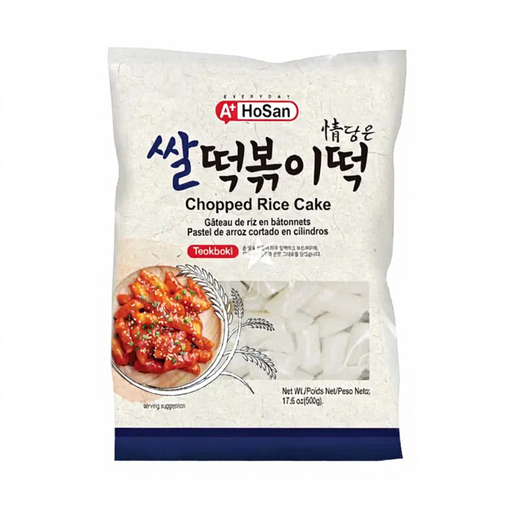
Why This Fits Their Persona: This product is ideal for anyone who wants to prepare authentic tteokbokki without a lengthy search. The 500g pack is the perfect size for a meal for two to three people, and the rice cakes are already in the correct shape and size for the classic street food dish.
The product name "Teokboki" and the clearly recognisable cylindrical shape of the rice cakes prevent any mix-ups with the thin slices used for soup. You get exactly what is needed for the dish.
The ingredient list is minimal (mostly rice), ensuring an authentic, chewy texture. As a vacuum-sealed product, it also has a long shelf life and is easy to store.
We have compiled a complete, real-time list of products that fully satisfy these strict selection criteria and UK safety regulations.
There is no difference. Tteokbokki and Topokki are simply two different Romanised spellings of the same Korean word (???). Both terms refer to the dish of rice cakes in a spicy sauce. So, if you search for "buy Topokki," you will find the same products.
For fresh, refrigerated rice cakes, soaking is usually not necessary. However, for shelf-stable, vacuum-sealed rice cakes, it is recommended. A brief 10 to 20-minute soak in lukewarm water helps to separate the individual sticks and ensures they soften more evenly and achieve a pleasant chewy texture during cooking.
The shelf life depends on the type of packaging. Vacuum-sealed, unrefrigerated rice cakes can often last for several months; check the package for the exact expiration date. Fresh rice cakes from the refrigerated section should be used within a few weeks and consumed promptly after opening. Regardless of the type, once opened, the package should be stored in the refrigerator and used within a few days, as the rice cakes can otherwise dry out or grow mould.