
Lieferung heute & morgen

Qualitätsgarantie

Willkommens-Angebote freischalten: KOSTENLOSE Lieferung | Bis zu 80 % RABATT | Kostenlose 30-Tage-JoyPlus-Testphase
App herunterladen
The idea of vacuuming and mopping in a single step is appealing. A cordless wet-dry vacuum promises just that: a significant time-saver and effortlessly clean hard floors. However, the market is flooded with devices whose real-world performance often falls short of their marketing promises. Many buyers quickly discover that their new gadget creates more work than it saves.
As your Joybuy Product Recommendation Officer, I'm here to help you identify the common pitfalls. Instead of falling for exaggerated marketing claims, you should focus on the technical details that truly determine a device's everyday usability. We'll highlight the three most common design flaws that lead to frustration and show you what really matters when making your selection.
Many devices look impressive at first glance but reveal their shortcomings only after daily use. Pay close attention to these three points to avoid buyer's remorse.
To separate the best from the rest, focus on verifiable technical specifications rather than marketing slogans. These three parameters are crucial for the performance and longevity of your wet-dry vacuum.
A powerful battery is the heart of any cordless device. Don't just look at the stated runtime in minutes; also consider the battery capacity (in mAh) and the voltage (in V). Higher values indicate more consistent power output, even as the battery level decreases. Also, check whether the charging station is only for charging or if it also includes a drying function for the brush roller. Hot air drying is the gold standard here to actively prevent odour buildup.
The effectiveness of a vacuum with a mopping function depends on the interplay of several components:
A good hard floor cleaner should be easy to maintain. This includes a self-cleaning function that lives up to its name: it should thoroughly rinse the roller and, ideally, dry it. Also, check how easily the tanks can be removed and cleaned, and whether filters and brush rollers are available as affordable replacement parts. A device whose consumable parts are hard to find will quickly become useless.
Based on the objective criteria above, we have identified a few models that represent a smart choice for specific user profiles.
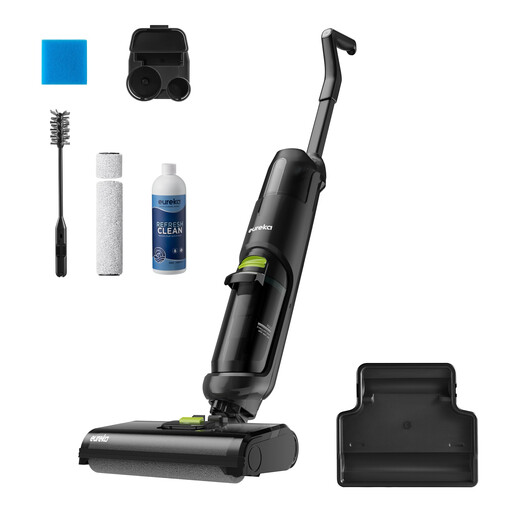
Why This Fits Their Persona: Ideal for daily use in small to medium-sized apartments. The device focuses on core functions: simultaneous vacuuming and mopping with a reliable dual-tank system, without costly extra features.
The self-cleaning function rinses the brush roller and internal pipes at the touch of a button and is simply designed, which minimises manual follow-up cleaning. The battery runtime of up to 30 minutes is realistic for its intended use case.
The self-propelled function makes it significantly easier to manoeuvre. The consistent dual-tank system ensures you always clean with fresh water.
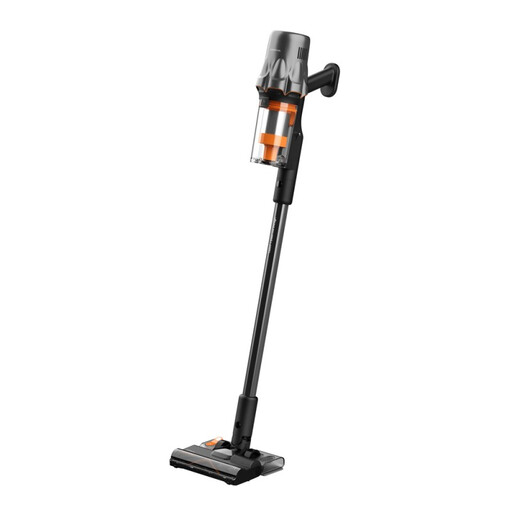
Why This Fits Their Persona: Designed for households with high demands, such as pet hair, spills, and everyday dirt. The combination of high suction power and a special brush is engineered to tackle hair.
The T?V-certified anti-tangle brush directly addresses the problem of wrapped pet hair. The battery runtime of up to 60 minutes and the large 7*2500mAh battery provide a realistic range for larger areas without constant recharging.
The high suction power of 155AW (25kPa) and the 6-stage HEPA filtration system are objectively strong features for a thorough deep clean. The green light dust detection helps to make fine dust visible.
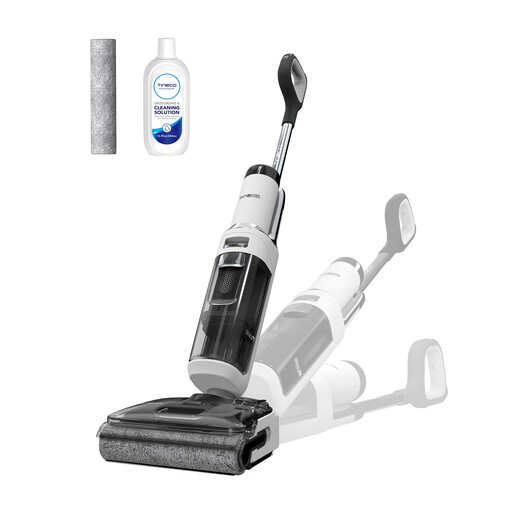
Why This Fits Their Persona: For users who value gapless cleaning and want to effortlessly reach difficult areas like under sofas, beds, or cabinets. A premium device for tech-savvy users.
The 180° lay-flat design solves the problem of cleaning under furniture. The 3-sided edge cleaning minimises dirty borders. The self-cleaning with 70°C hot water and subsequent hot air drying (FlashDry) is a comprehensive solution against odour formation.
The combination of a lay-flat design and effective edge cleaning is a clear unique selling point. The runtime of up to 40 minutes is more than sufficient for most living situations.
For users who prefer a fully automated solution, a robot vacuum with mopping function and an auto-empty station could be an interesting alternative. Models like the NARWAL Freo Z10 Ultra or the Dyson Spot+Scrub Ai offer advanced navigation and self-cleaning stations that further reduce manual effort.
We've compiled a complete, up-to-date list of products that meet these strict selection criteria and UK/EU safety regulations.
Is a cordless wet-dry vacuum suitable for delicate floors like parquet and laminate? Yes, most modern cordless wet-dry vacuums are designed for sealed hard floors, including parquet and laminate. The key is that the device dispenses a controlled amount of water and doesn't leave behind excessive moisture. Models with intelligent water flow control or special modes for wooden floors are preferable here. Always read the manufacturer's specifications regarding suitability for your specific floor type.
How do I maintain the brush roller to prevent odours? Regular and proper cleaning is crucial. Run the self-cleaning function after each use. If your device has a hot air drying feature, use it consistently. For models without a drying function, it's advisable to remove the roller from its holder and let it dry completely in a well-ventilated area before reinserting it. The roller should be manually cleaned under running water at least once a week.
How often do the water and dirty water tanks need to be emptied or refilled? This largely depends on the size of the tanks and the area being cleaned. As a rule of thumb, for a living space of 80–100 m?, the tanks on most devices will need to be emptied and refilled at least once during the cleaning process. Models with larger tanks (e.g., over 700 ml for fresh water) offer more convenience here. The dirty water tank should be emptied and rinsed after every use to prevent odour and bacterial growth.