
Lieferung heute & morgen

Qualitätsgarantie

Willkommens-Angebote freischalten: KOSTENLOSE Lieferung | Bis zu 80 % RABATT | Kostenlose 30-Tage-JoyPlus-Testphase
App herunterladen
By: Joybuy Product Recommendation OfficerDate: August 28, 2026
An appealing presentation of food can significantly elevate any social gathering. A wooden serving platter is often the centrepiece for stylishly arranging cheese, tapas, or snacks. However, the market is flooded with products that look great but quickly disappoint in practice. Before you make a decision, it's crucial to understand the typical weaknesses that can turn a supposed showpiece into a useless item.
Many buyers focus solely on design, but true quality lies in the details that often only become apparent after repeated use.
To avoid these pitfalls, you should focus on a few fundamental, objective criteria. These will help you find a durable and functional wooden serving platter.
The type of wood largely determines the longevity and maintenance requirements of your serving platter.
Consider the primary purpose for which you will use the platter. The form should match the function.
The surface must be safe for contact with food. Look for products whose surfaces are explicitly labelled as food-safe. Oiled surfaces are often easy to maintain and preserve the natural feel of the wood. Varnished surfaces are easier to clean, but the quality of the varnish is critical. A simple wooden serving tray should never be cleaned in the dishwasher.
Here are some recommendations tailored to different needs and use cases.
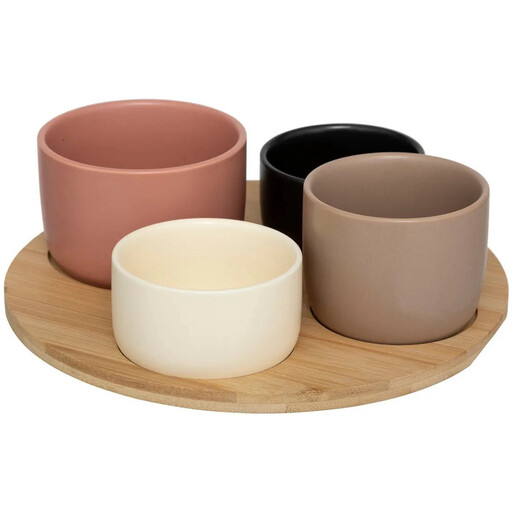
Why This Fits Their Persona: Ideal for hosts who love to serve a variety of snacks, dips, and tapas. This set offers an organised yet flexible solution for a diverse presentation.
The combination of a bamboo board and separate stoneware bowls bypasses the problem of staining and cleaning. Moist or oily foods only come into contact with the easy-to-clean bowls, while the wooden board is protected.
Complete serving set for immediate use. The bamboo base is lightweight and moisture-resistant. The bowls are dishwasher-safe (according to the manufacturer).
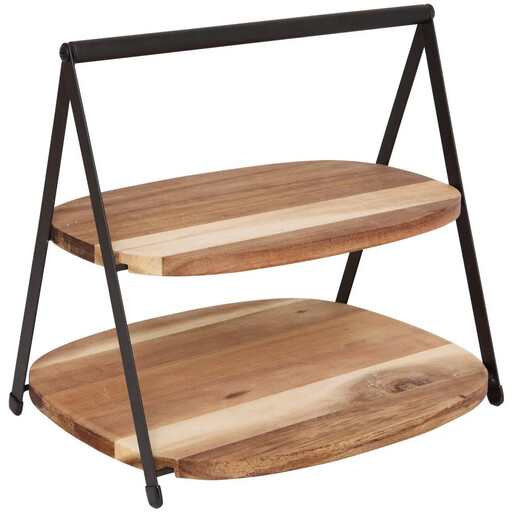
Why This Fits Their Persona: Perfect for anyone who wants to offer a lot in a limited space, whether for pastries, chocolates, or a small cheese selection. The vertical arrangement is an eye-catcher and saves valuable table space.
The construction of a metal frame and solid acacia wood plates ensures high stability and prevents the wobbling that is often a problem with cheap tiered stands. The robust hardwood does not warp.
Space-saving, two-tier design. The combination of dark acacia wood and black metal creates a modern, high-quality look. Ideal for versatile use, from sweet to savoury.
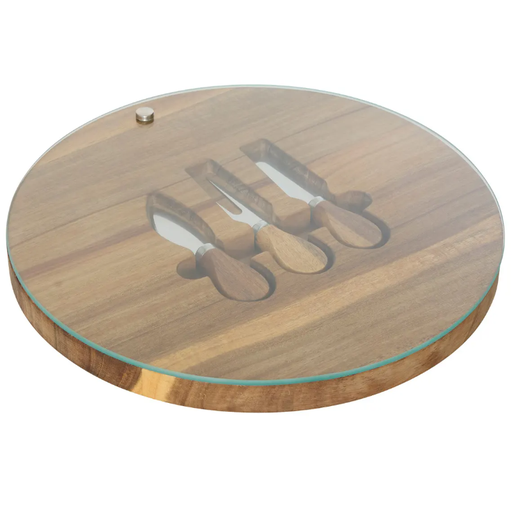
Why This Fits Their Persona: For the purist who needs a generous, uninterrupted surface for creatively arranging a large cheese or charcuterie platter. Here, the quality of the material is paramount.
This cheese board is made of solid acacia wood, avoiding vulnerable glue seams or thin veneers. Its solid construction prevents cracking and warping, providing a resilient surface.
Generous 30 cm diameter provides plenty of creative space. The natural, fine grain of the acacia wood makes each board unique. Durable and designed for regular use.
We have compiled a complete, up-to-date list of products that meet these strict selection criteria and food safety regulations.
1. How do you properly clean a wooden serving platter? Clean the platter exclusively by hand with a damp cloth and mild soap. Never soak the wood in water or put it in the dishwasher. Dry it thoroughly immediately after cleaning to prevent moisture from penetrating. To care for the wood, it can be occasionally treated with a food-safe mineral oil.
2. Is acacia wood or bamboo better for a serving board? Both materials have their merits. Acacia wood is a very hard and durable wood with a distinctive, elegant appearance. It is ideal for a robust serving platter or a cheese board. Bamboo is lighter, absorbs less moisture, and is considered more sustainable. A bamboo serving platter is often a great choice for everyday, uncomplicated use.
3. Can you cut on a wooden serving board? Although hardwoods like acacia are relatively cut-resistant, using sharp knives will inevitably leave marks on the surface. To preserve the appearance of your serving platter, it is recommended to use it primarily for arranging and serving, and to do any cutting on a dedicated cutting board.