
Lieferung heute & morgen

Qualitätsgarantie

Willkommens-Angebote freischalten: KOSTENLOSE Lieferung | Bis zu 80 % RABATT | Kostenlose 30-Tage-JoyPlus-Testphase
App herunterladen
When summer temperatures make your home unbearable, a flexible cooling solution becomes a top priority. A 7000 BTU portable air conditioner promises quick relief for rooms like the bedroom or home office. However, the market is crowded, and not every unit delivers on its promises. Many buyers are frustrated by loud operating noise, hidden costs, or inadequate cooling performance.
This guide will help you identify the crucial features and avoid marketing traps. We'll show you what to look for to make an informed decision for summer 2026.
Before you make a decision, you should be aware of the most common problems that often only become apparent after the purchase.
To avoid these pitfalls, focus on three verifiable core parameters. These determine the efficiency, comfort, and environmental friendliness of your device.
The British Thermal Unit (BTU) is the standard measure of cooling power. A 7000 BTU portable air conditioner is typically designed for an air conditioner up to 30 sqm, depending on factors like ceiling height, sun exposure, and insulation.
The refrigerant is the heart of any air conditioner. Older units often use refrigerants with a high Global Warming Potential (GWP). Modern devices increasingly rely on more environmentally friendly alternatives.
A modern portable air conditioner can do more than just cool. The right additional features and quiet operation make all the difference in daily use.
Here are some recommendations tailored to different user profiles and requirements.
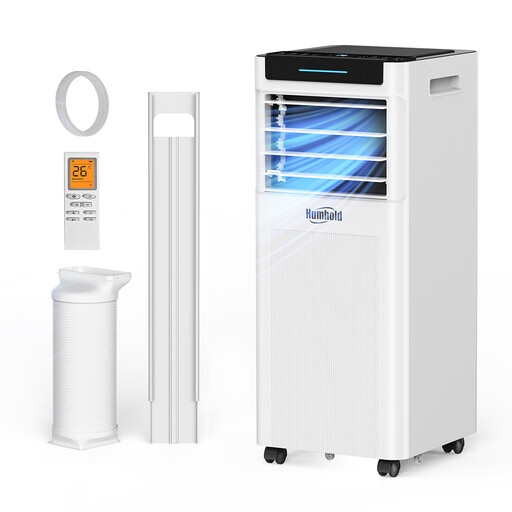
Why This Fits Their Persona: Ideal for renters or homeowners looking for a straightforward, cost-effective solution for a single room (up to 28 m?), such as a bedroom or home office. It combines all essential functions without unnecessary frills.
The unit provides a clear performance rating for its recommended room size, a documented sleep mode under 49 dB, and a self-evaporating system that eliminates the need for constant water tank draining under normal humidity.
Efficient 3-in-1 functionality (Cooling, Dehumidifying, Fan) with eco-friendly R290 refrigerant. The quiet sleep mode makes it a great choice for the bedroom.
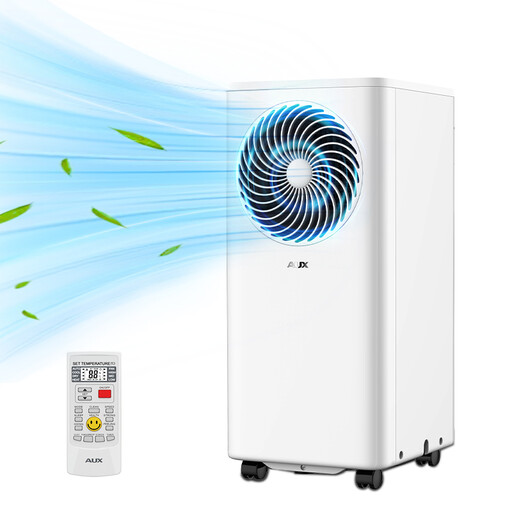
Why This Fits Their Persona: Perfect for users who need a bit more cooling power for mid-sized rooms and appreciate the convenience of smart control. The Wi-Fi function allows for remote operation to pre-cool your home.
This model offers a higher 9000 BTU capacity, clearly designed for larger rooms. The 52 dB(A) noise level is reasonable for its performance class and is transparently stated. App control helps optimize energy consumption through scheduling.
Increased cooling power and smart control via a Wi-Fi app for greater convenience. The quiet sleep mode and self-evaporating system are also included.
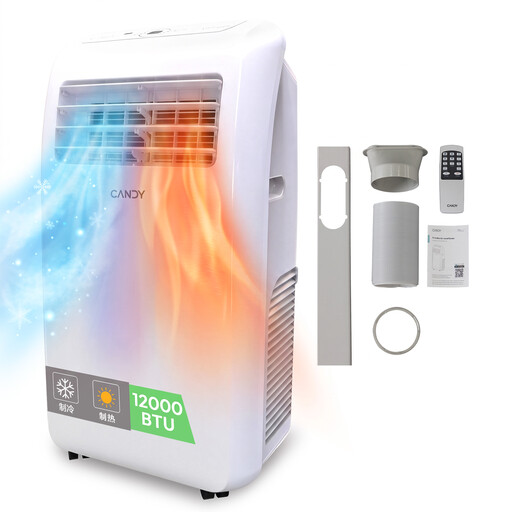
Why This Fits Their Persona: For users seeking a powerful solution for larger rooms (up to 35 m?) who want to use the unit all year round. The additional heating function makes it a versatile investment for any season.
This 4-in-1 unit offers clear added value that justifies the higher purchase price. The A+ energy efficiency class for both cooling and heating helps keep operating costs in check, avoiding the hidden costs trap.
Four functions in one unit (Cooling, Heating, Dehumidifying, Fan) for year-round use. The high cooling and heating capacity combined with an A+ energy efficiency rating is a compelling advantage.
We have compiled a complete, up-to-date list of products that fully meet these strict selection criteria and safety standards.
Place the unit on a level surface near a window. Seal the window gap carefully with the included kit to prevent warm air from entering from the outside. Keep the exhaust hose as short and straight as possible, as kinks and excessive length reduce the efficiency of heat removal.
The cost depends on the energy efficiency, duration of use, and your electricity rate. A typical 7000 BTU unit has a power consumption of about 700 to 1000 watts. With a power consumption of 800 watts (0.8 kW) and an electricity price of $0.30/kWh, one hour of operation costs about $0.24. Use features like the timer or an ECO mode to optimize consumption.
A portable air conditioner actively cools the air using a refrigerant cycle and expels the heat outside through an exhaust hose. An air cooler (also known as an evaporative cooler) cools the air through the evaporation of water. This effect is less powerful and also increases the humidity in the room, which can be counterproductive in muggy weather. Only an air conditioner can significantly and sustainably lower the room temperature.