
Lieferung heute & morgen

Qualitätsgarantie

Willkommens-Angebote freischalten: KOSTENLOSE Lieferung | Bis zu 80 % RABATT | Kostenlose 30-Tage-JoyPlus-Testphase
App herunterladen
A high-quality, airtight food container is a cornerstone of an organised kitchen and a more sustainable approach to food. Yet, the market is flooded with products whose promises often fall short in practice. Leaking sauces in your work bag, prematurely spoiled food, and stained containers are common frustrations. This guide will help you identify the typical pitfalls and make an informed decision.
Author: Joybuy Product Recommendation OfficerPublished on: August 29, 2026
Many containers look practical at first glance but reveal their weaknesses only through daily use. Watch out for these three common flaws to avoid a bad purchase:
stackable kitchen storage containers can only be stacked precariously in reality. Sharp internal edges and hard-to-reach corners also complicate cleaning and can lead to hygiene issues.To avoid these problems, you should base your choice on objective criteria. The following three aspects are crucial for durability, safety, and functionality.
A reliable seal is the core feature of any airtight container. Simple snap-on lids often fail to provide adequate protection against leaks. Systems with a four-sided locking mechanism in combination with a continuous silicone seal offer far greater security. This design presses the lid evenly onto the container's rim, creating a barrier that dependably keeps both air and liquids out. Making leak-proof meal prep containers is the primary goal of this technology.
For food storage canisters, the material is of paramount importance. High-quality polypropylene (PP) is an excellent choice, as it is robust, durable, and food-safe. Always look for the BPA-free label to ensure no harmful plasticisers leach into your food.
Good plastic freezer containers should withstand temperatures down to -20°C without becoming brittle. If you're looking for a microwave-safe food container, check its heat resistance (e.g., up to 120°C) and follow the manufacturer's instructions to remove or vent the lid before heating.
A well-thought-out design saves valuable space in your fridge and pantry. Look for designs where the lid and base are shaped to allow for stable and secure stacking. Rectangular and square shapes generally use available space more efficiently than round ones. For special uses like a deli container for cold cuts and cheese, flat, wide formats are ideal, while tall containers with a pouring spout are more practical for cereal or flour.
Based on the quality criteria mentioned, we have identified several models that are well-suited for specific needs.
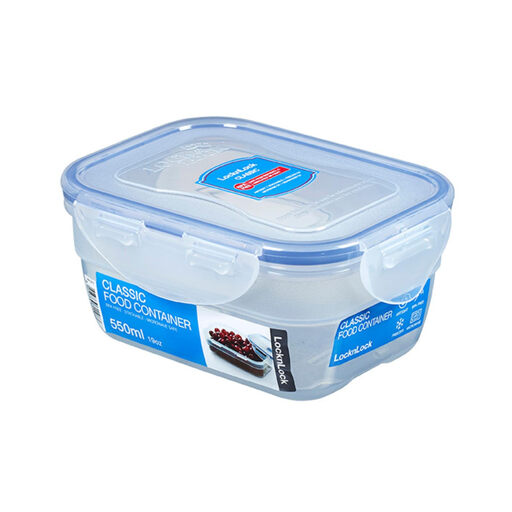
Why It's a Perfect Match: Ideal for professionals and students who need to transport their lunch securely. Its compact size is perfect for a single meal, and its light weight is barely noticeable in a bag.
Directly addresses the problem of leaky lids with its patented four-sided locking system and hollow-core silicone seal, which closes reliably even with frequent use.
Completely airtight and watertight, even for liquids. Made from BPA-free polypropylene.
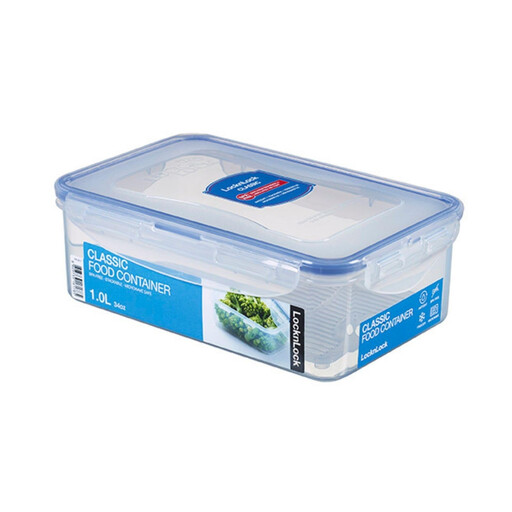
Why It's a Perfect Match: A versatile all-rounder for daily use. The 1.0-litre size is perfect for leftovers, chopped vegetables, or storing cold cuts in the fridge.
The high-quality, BPA-free PP material prevents odour absorption and staining. Its design allows for stable stacking, solving the problem of wobbly towers in the fridge.
Universal size, microwave- and freezer-safe. The transparent design allows for a quick overview of the contents.
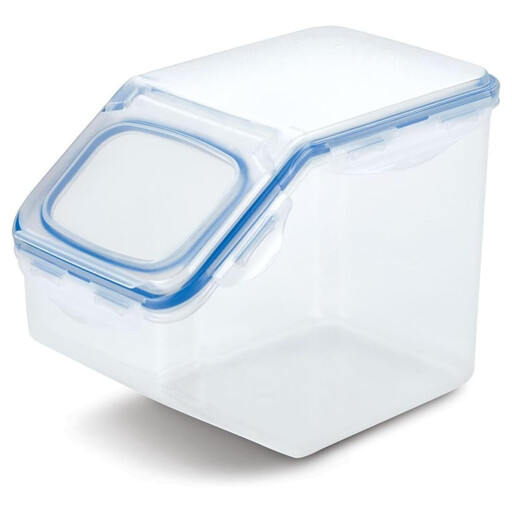
Why It's a Perfect Match: Perfect for storing dry goods like flour, sugar, cereal, or pet food. The large volume and special lid design are tailored for pantry storage needs.
Solves the problem of impractical design for bulk goods. Instead of a fully removable lid, the integrated pouring spout allows for clean and easy dispensing.
Large 5-litre capacity, flip-top lid for easy pouring, and protects contents from moisture and pests.
We have compiled a complete, up-to-date list of products that fully meet these strict selection criteria and safety standards.
For maximum seal longevity, it's recommended to occasionally remove the silicone ring from the lid and clean it separately by hand. Both the container and lid are generally dishwasher-safe (check manufacturer's instructions; top-rack placement is often advised). Allow all parts to dry completely before reassembling and closing the container.
No. Microwave suitability depends on the heat resistance of the specific plastic. Always check the product description or the symbols on the bottom of the container. As a general rule, the lid should be removed or at least vented before heating to allow steam to escape. Do not heat foods high in oil or sugar, as they can reach very high temperatures and damage the material.
Airtight containers reduce exposure to oxygen and moisture, two main factors in food spoilage. This significantly extends the shelf life of many items, such as dry goods (flour, pasta), cooked meals, and cut foods. However, they do not completely stop the natural aging process. For certain fruits and vegetables, containers with special features, like ethylene gas absorption, can offer additional benefits.