
Lieferung heute & morgen

Qualitätsgarantie

Willkommens-Angebote freischalten: KOSTENLOSE Lieferung | Bis zu 80 % RABATT | Kostenlose 30-Tage-JoyPlus-Testphase
App herunterladen
If you’re looking to buy Asian rice noodles and rice paper for your home kitchen, you’ll find plenty of options online. The differences aren’t just in the brand name: noodle width, ingredients, preparation method, pack size and allergens all matter. Choosing the right product helps stop noodles falling apart in the pan or rice paper tearing as you roll it.
Rice noodles that are 0.8 or 1 mm wide cook much faster than 5 or 10 mm rice sticks. Use a thin noodle for Pad Thai and you could end up with a texture that’s too soft. Wider rice sticks, on the other hand, need more soaking or cooking time and are better suited to hearty wok dishes and soups.
Thickness also matters for rice vermicelli and Vietnamese rice noodles. Bún Tươi, at around 1.2 mm, is typically used for Bún Cha, noodle salads or side dishes, while Bún Bo Hue noodles are generally a little thicker.
Many products are made entirely from rice or rice flour and water. Others contain tapioca starch, modified starch or, as with some types of rice paper, wheat flour. According to the product information, Bamboo Tree Vietnamese Rice Paper contains 60% rice as well as wheat flour, so it isn’t suitable for people with coeliac disease or a wheat allergy without further checks.
For packaged foods, always check the current ingredients list and allergen information on the packaging. Seasoning mixes in instant products may also contain soya, wheat, fish or crustaceans.
Dried products are convenient to store, but the preparation method varies from one product to another. Some rice sticks need to be soaked for 30 to 60 minutes before cooking; others go straight into boiling water. Rice paper, by contrast, only needs a brief dip in warm water. Soaking it for too long makes the sheets sticky and harder to roll.
A product description should clearly state whether the noodles need soaking, cooking or both. Instructions such as “4 to 5 minutes” or “8 to 10 minutes” are more useful than vague claims about quick preparation.
When choosing gluten-free rice noodles, it’s worth checking the full ingredients list. According to the product information, Sunlee Rice Stick Curve 5 mm is made from rice flour and water. X.O Rice Sticks 5 mm contain rice, water and modified starch E1414. These differences can affect the texture and how the noodles hold up when cooked in a wok.
For rice paper, check the starch content as well as the diameter. According to the product information, DOUBLE PANDA Rice Paper 22 cm contains tapioca flour, water, rice flour and salt. 22 cm round rice paper gives you plenty of room for vegetables, herbs, vermicelli and other fillings.
500-g packs are handy if you cook regularly or are feeding several people. For occasional meals, 375 or 400 g may be more practical. Once opened, store dried rice noodles and rice paper in a cool, dry place in an airtight container. Moisture can make the sheets stick together and leave noodles brittle or lumpy.
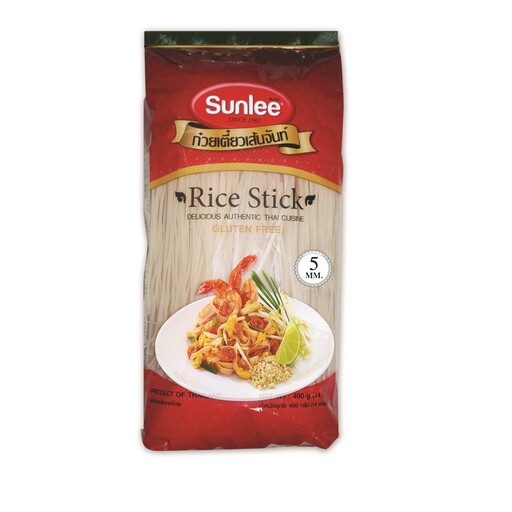
Why it suits this shopper: The medium width makes these noodles a versatile choice for Pad Thai, wok dishes and soups. The 400-g pack is enough for several portions.
The stated 5 mm width makes it easier to choose the right noodle for your recipe and reduces the risk of picking one that’s too thin for a wok dish.
Made with rice flour and water, according to the product information; can be prepared by soaking or boiling.
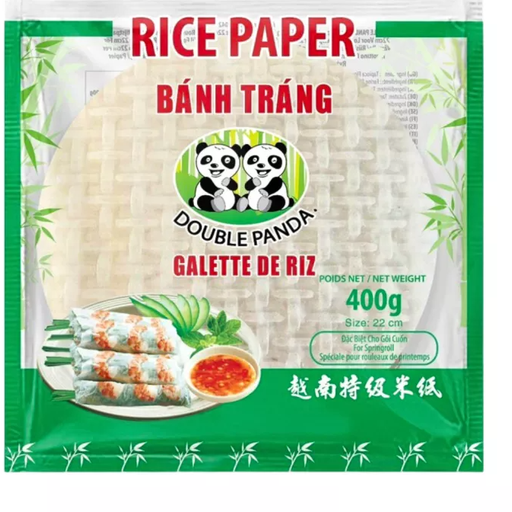
Why it suits this shopper: The 22 cm diameter is ideal for summer rolls and spring rolls with a variety of fillings.
The exact size makes it less likely you’ll choose a sheet that’s too small for generous fillings. The instructions recommend soaking it for around five seconds.
400-g pack; according to the product information, suitable for fresh summer rolls and fried spring rolls.
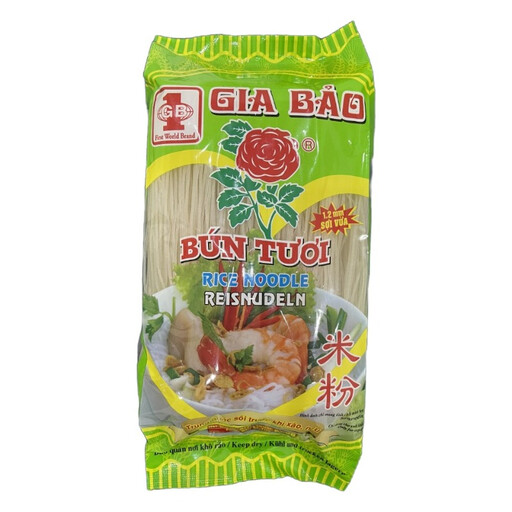
Why it suits this shopper: The 1.2 mm noodles are designed for Vietnamese dishes such as Bún Cha, Bún Thịt Nướng and noodle salads.
The stated thickness makes it easy to identify noodles for Bún dishes and avoid confusing them with very thin pho noodles.
500-g pack; according to the product description, made with 98% rice and salt.
For dried pho noodles, rice sticks or rice vermicelli, use the instructions on the pack as your starting point. Once cooked, drain the noodles and rinse them under cold water if the instructions recommend it. This removes excess starch and helps stop them sticking together.
Rice paper only needs a quick dip in warm water. Then place the sheet on a clean, slightly damp work surface. Don’t overfill it. For sushi or especially compact rolls, a 24 × 24 cm bamboo mat can help you shape them.
Pad Thai noodles that are 3 to 5 mm wide are commonly used. Check whether the product needs to be soaked or boiled before stir-frying in a wok. A medium-width noodle absorbs the sauce and holds its shape when prepared correctly.
Dip the rice paper briefly in warm water to moisten it; don’t soak it until it’s completely soft. It will continue to absorb moisture as you roll. Spread the filling evenly and avoid adding too much.
No. Many noodles made purely from rice have no declared allergens listed in the ingredients, but not every Asian noodle or rice paper product is gluten-free. Always check products containing wheat flour, dipping sauces or seasoning mixes individually. The information on the packaging is the one to follow.