
Lieferung heute & morgen

Qualitätsgarantie

Willkommens-Angebote freischalten: KOSTENLOSE Lieferung | Bis zu 80 % RABATT | Kostenlose 30-Tage-JoyPlus-Testphase
App herunterladen
The selection of Asian noodles on the shelf can be overwhelming. With rice noodles in particular, the sheer variety often leads to uncertainty: Which type is right for my Pad Thai? Why do my noodles turn mushy in the wok or fall apart in soup? Many home cooks grab the wrong product and are disappointed with the results.
As your Joybuy Product Recommendation Officer, I'm here to help you navigate the common pitfalls. It's not about finding a supposedly "best" brand, but about selecting the right noodle for your specific dish. The most frequent mistakes are choosing an unsuitable noodle width and ignoring the ingredient list, which can lead to a disappointing texture.
To ensure your next Asian dish is a success, you should pay attention to two key parameters. These largely determine the noodle's texture, cooking behaviour, and suitability.
The width of the rice sticks is the most important criterion and is directly linked to its intended use. The wrong width can disrupt the balance of a dish.
Authentic Asian noodles made from rice are characterised by a minimalist ingredient list. Ideally, they consist of just two ingredients:
Products with this simple composition are naturally gluten-free noodles and vegan, making them an excellent choice for a conscious diet. Some products also contain modified starch (e.g., tapioca starch) to make the texture more elastic or to prevent sticking. This isn't a flaw, but those seeking a pure product should look for the shortest possible ingredient list.
Instead of making a general recommendation, we have selected products for clearly defined use cases.
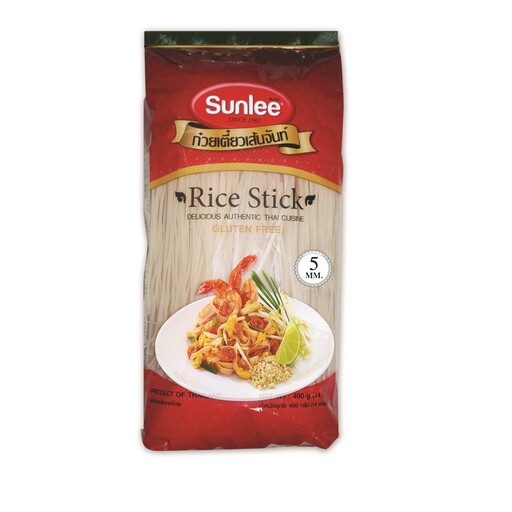
Why it's a perfect match: The 5 mm width and curved shape are designed to optimally capture the classic Pad Thai sauce, ensuring every bite is full of flavour. The noodles remain firm to the bite (al dente) even after stir-frying in a wok.
Prevents the issue of sauce sliding off noodles that are too smooth or thin. The texture is robust enough for wok cooking without turning mushy.
Made from only rice flour and water. This makes the product naturally gluten-free and vegan.
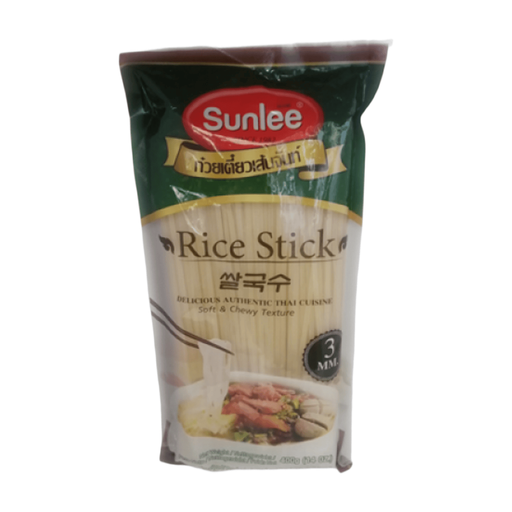
Why it's a perfect match: These straight 3 mm noodles are the classic choice for Vietnamese Pho. They hold their shape and a pleasant, springy texture in hot broth without dissolving or becoming too soft.
Solves the problem of noodles that quickly turn mushy in soups. The stable shape ensures an authentic experience down to the last spoonful.
The composition of 90% rice and 10% water provides a pure flavour and an ideal texture for soups.
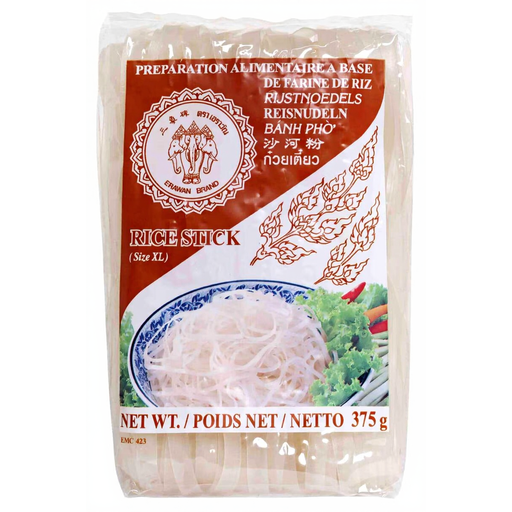
Why it's a perfect match: These extra-wide 10 mm rice noodles are specifically designed for dishes with heavy, dark sauces like Pad See Ew or Drunken Noodles. Their large surface area absorbs the sauce perfectly and provides a satisfying, chewy bite.
Solves the issue of thinner noodles being overwhelmed by the intensity of rich sauces. These noodles provide the necessary substance.
Achieves a silky texture with an ideal "al dente" bite that remains stable even under high heat in a wok.
If you'd like to explore more varieties that meet our selection criteria, you can find our full range here.
The key is to follow the package instructions, as they vary depending on the noodle's thickness. A common method is to soak them in warm (not boiling) water for 15–45 minutes until they are pliable but still firm. After draining, they should be immediately tossed with a little oil or finished directly in the wok or soup. Do not overcook them, as they will quickly become sticky and mushy.
Rice noodles made exclusively from rice flour and water are naturally gluten-free. However, it's always wise to check the ingredient list. In rare cases, products may contain traces of gluten if they are processed in facilities that also handle wheat products. Products with an explicit "gluten-free" certification offer the most security.